
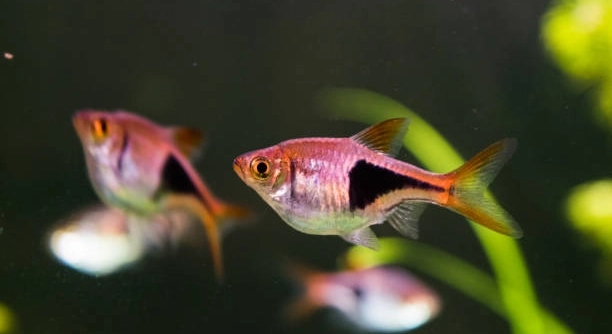
Rasboras are small, lively fish often seen in home aquariums. Their quick movements and bright colors make them popular among fishkeepers. Sometimes, these fish may move sideways briefly, which can catch the attention of hobbyists.
Rasboras may move sideways briefly due to sudden changes in water conditions, stress, or to navigate tight spaces. This behavior is a natural response to their environment, helping them avoid threats or adjust their position efficiently.
This brief sideways movement can reveal important information about the fish’s health and environment. Understanding these signs helps in maintaining a balanced aquarium for your rasboras.
Causes of Sideways Movement in Rasboras
Rasboras may move sideways briefly for several reasons linked to their environment and behavior. One common cause is sudden changes in water temperature or quality. When water conditions shift unexpectedly, the fish can become disoriented, leading to unusual swimming patterns. Stress is another important factor. Loud noises, overcrowding, or aggressive tank mates can cause rasboras to react by darting or moving sideways. Additionally, they may use sideways movement to navigate through tight spaces, such as plants or decorations, where turning quickly helps them avoid obstacles. Sometimes, this motion is part of their natural exploratory behavior, allowing them to check their surroundings more carefully. Recognizing these causes helps ensure the fish remain healthy and comfortable in their habitat. Proper aquarium maintenance, stable water conditions, and adequate space are essential to prevent stress-related behaviors. Observing these sideways movements early can indicate if adjustments are needed in tank care or setup.
Sideways movement due to environmental factors signals the fish adapting to its surroundings or responding to stressors.
Rasboras rely heavily on clear, stable water conditions for normal behavior. Fluctuations in pH, ammonia, or temperature can disrupt their balance, leading to erratic swimming. Stress triggers from the tank environment, such as aggressive species or insufficient hiding spots, often result in sudden sideways moves as an escape response. Maintaining a calm, stable aquarium with compatible species reduces these episodes. Sideways movement can also be a quick maneuver when exploring or escaping threats, showing their natural agility. Monitoring tank conditions closely helps identify when the behavior indicates a problem or is simply normal activity.
How to Respond When Your Rasbora Moves Sideways
Sideways movement in rasboras is usually brief and not harmful, but consistent or prolonged episodes may require action.
If you notice your rasbora frequently moving sideways, start by checking the water parameters. Test for ammonia, nitrite, nitrate levels, and temperature to ensure they fall within the ideal range for the species. Next, evaluate the tank environment. Overcrowding or aggressive tank mates can cause stress, so consider rearranging or reducing the number of fish if needed. Providing plenty of plants and hiding spots helps create a sense of security, reducing sudden movements caused by fear. Feeding habits also play a role; avoid overfeeding as leftover food can pollute the water. Observe the fish for other signs of illness, such as clamped fins or loss of appetite, which might indicate health problems. By addressing these factors promptly, you can minimize unusual behavior and support your rasboras’ well-being.
Taking early steps ensures a healthier tank environment and helps prevent stress-related behavior from worsening over time.
Monitoring Rasbora Behavior
Regular observation is key to understanding your rasbora’s normal behavior patterns. Watch for sudden increases in sideways movement or other unusual swimming.
Noticing changes in behavior early can help prevent serious issues. Rasboras moving sideways more often may be reacting to poor water quality, stress, or illness. Tracking their activity over time makes it easier to identify triggers. This awareness allows you to adjust tank conditions promptly, improving your fish’s comfort and health. Keeping a simple log of behaviors alongside water tests can be very helpful in managing your aquarium effectively.
If you observe prolonged sideways swimming or other symptoms like lethargy or loss of appetite, it might indicate illness. In such cases, further investigation or consulting a specialist could be necessary. Understanding and monitoring these signs supports long-term wellbeing.
Maintaining a Healthy Environment for Rasboras
Stable water parameters are essential for rasboras to feel secure and swim normally. Regular testing and timely water changes keep the environment safe.
Providing enough space and hiding places reduces stress that can cause erratic swimming. A well-planted tank with calm tank mates encourages natural behavior and reduces anxiety. Consistent feeding schedules and avoiding overfeeding also support good health. By creating an environment that meets their needs, you help your rasboras avoid the triggers that lead to sideways movements. This proactive approach leads to happier and more active fish in your aquarium.
Signs of Stress in Rasboras
Sideways movement can be a sign of stress, especially if it happens frequently. Stress may also cause rasboras to hide more or lose their appetite.
Other signs include clamped fins, rapid breathing, or erratic swimming. Identifying stress early helps prevent health problems and ensures your fish remain comfortable in their tank.
Common Water Issues Affecting Rasboras
Poor water quality is a major factor causing abnormal behavior in rasboras. High ammonia, nitrite, or nitrate levels disrupt their balance and can trigger sideways swimming or lethargy. Sudden temperature changes also affect their comfort and health. Regular testing and maintenance keep water conditions stable and safe for your fish.
Tank Setup Tips for Rasboras
A spacious tank with plants and hiding spots supports natural behavior. Avoid overcrowding to reduce stress and aggression among fish.
When to Seek Professional Help
If unusual behavior persists despite good care, consider consulting an aquarium specialist. Early intervention can prevent serious illness.
FAQ
Why does my rasbora move sideways suddenly?
Rasboras may move sideways suddenly due to stress, changes in water conditions, or when navigating tight spaces in the tank. This movement helps them quickly avoid perceived threats or obstacles. It is a natural reaction but should not be constant or prolonged.
Is sideways movement a sign of illness?
Not always. Occasional sideways swimming is often normal behavior, but if it happens frequently alongside other symptoms like lethargy, loss of appetite, or clamped fins, it could indicate health problems such as swim bladder disorder or infections.
How can I tell if my rasbora is stressed?
Signs of stress include erratic swimming, hiding more than usual, loss of appetite, and clamped fins. Stress often results from poor water quality, overcrowding, aggressive tank mates, or sudden changes in the environment.
What water parameters are ideal for rasboras?
Rasboras thrive in water with a temperature between 72–79°F (22–26°C), pH of 6.0–7.5, and low levels of ammonia, nitrites, and nitrates. Maintaining these conditions reduces stress and encourages natural behavior.
How often should I change the water?
Perform regular partial water changes of about 20-30% weekly. This keeps water clean and stable, preventing buildup of harmful chemicals that can stress your fish and cause unusual swimming behavior.
Can tank decorations cause sideways movement?
Yes, tight spaces or sharp objects may cause rasboras to move sideways briefly to navigate safely. Make sure decorations do not overcrowd the tank or create dangerous spots where fish can get stuck or injured.
Is sideways swimming common in all rasbora species?
Sideways swimming behavior can occur in many rasbora species as a quick reaction to the environment. However, the frequency and context can vary depending on the species’ temperament and tank conditions.
What should I do if my rasbora shows constant sideways movement?
First, check water quality and tank setup. Ensure the tank is not overcrowded, water parameters are stable, and there are no aggressive fish nearby. If the behavior continues, consider consulting a vet or aquarium specialist for possible illness.
Can diet affect my rasbora’s swimming behavior?
Yes, poor nutrition or overfeeding can lead to swim bladder issues, causing abnormal swimming, including sideways movement. Feed a balanced diet appropriate for rasboras and avoid overfeeding to maintain their health.
How important is tank size for rasbora behavior?
Tank size affects stress levels and swimming freedom. A cramped tank can increase stress, leading to erratic swimming. Provide a spacious tank with room to swim freely and plenty of plants or hiding spots to mimic their natural habitat.
Are there any signs to watch for besides sideways swimming?
Yes, look for clamped fins, faded colors, rapid gill movement, and lethargy. These signs often accompany stress or illness and need prompt attention to prevent worsening conditions.
Can lighting affect rasbora behavior?
Harsh or sudden changes in lighting can stress rasboras, causing unusual swimming or hiding. Use gentle, consistent lighting and provide shaded areas with plants to help them feel secure.
Do rasboras need companions?
Rasboras are schooling fish and prefer being in groups of at least six. Being alone can cause stress and erratic behavior, including sideways swimming. Keeping them in proper groups encourages natural, calm behavior.
How do I treat swim bladder issues in rasboras?
Swim bladder problems often come from diet or infection. Fasting the fish for a day or two and feeding them shelled peas can help. If symptoms persist, a vet visit is recommended for proper diagnosis and treatment.
What role does tank maintenance play in preventing sideways movement?
Consistent tank cleaning and monitoring water quality prevent stress and illness that cause abnormal swimming. Neglecting maintenance allows harmful chemicals to build up, which affects fish health and behavior.
Can temperature swings cause sideways swimming?
Yes, sudden drops or rises in temperature can shock rasboras, leading to erratic or sideways movements. Keeping temperature stable within the recommended range is essential for their comfort and normal behavior.
Are there any medications to stop sideways movement?
Medications target underlying issues like infections or swim bladder disorders, not the movement itself. Use treatments only when advised by a professional after identifying the cause.
How long does it take for rasboras to recover from stress?
Recovery time varies depending on the cause and severity of stress. Improving water conditions and reducing stressors can show results within days, but some fish may take longer to return to normal behavior.
Can new tank setups cause sideways swimming?
Yes, new tanks may have unstable water parameters or unfamiliar environments, causing temporary stress. Monitoring water quality and gradually acclimating fish reduces this behavior.
What else can I do to keep my rasboras healthy?
Provide a balanced diet, stable water conditions, regular tank maintenance, a spacious environment with hiding spots, and compatible tank mates. Consistent care minimizes stress and promotes natural swimming patterns.
Final thoughts on rasboras’ sideways movement highlight the importance of understanding this behavior as a natural response to their environment. These small fish are sensitive to changes in water quality, tank setup, and stress levels. Brief sideways swimming is usually normal and helps them navigate their surroundings or avoid potential threats. However, if this behavior becomes frequent or prolonged, it may signal underlying issues such as poor water conditions, overcrowding, or health problems. Being aware of these signs allows fishkeepers to take timely action and maintain a healthy aquarium.
Maintaining a stable and clean environment is essential for preventing stress-related behaviors in rasboras. Regular water testing and partial changes keep harmful substances like ammonia and nitrites at safe levels. Providing enough space, plants, and hiding spots reduces anxiety and promotes natural swimming patterns. Monitoring your fish closely can help identify small changes early, such as increased sideways movement or other unusual signs like loss of appetite or clamped fins. Early detection of problems gives you a better chance to correct them before they affect your fish’s health more seriously.
In summary, sideways movement in rasboras is often a simple and temporary behavior connected to their environment and safety. Paying attention to water quality, tank setup, and social conditions helps reduce stress and supports normal behavior. While occasional sideways swimming is not a cause for concern, consistent changes in movement patterns deserve closer examination. With proper care, your rasboras can thrive and display their natural, lively swimming behavior, making your aquarium both healthy and enjoyable to watch.

Hello,
If you enjoy the content that we create, please consider saying a "Thank You!" by leaving a tip.
Every little bit helps us continue crafting quality advice that supports the health, happiness, and well-being of pets around the world, for pets of all shapes, sizes, and species.
We really appreciate the kindness and support that you show us!