
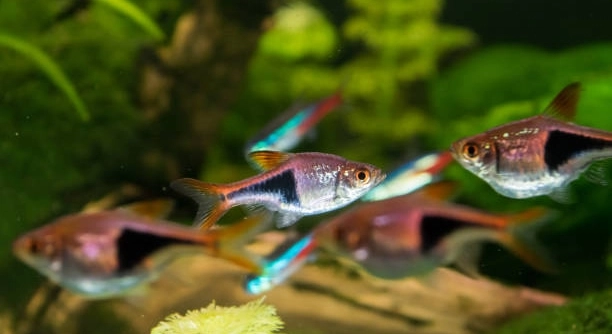
Rasboras are small, peaceful fish popular in many home aquariums. Their behavior often includes occasional nipping, which can confuse new fishkeepers. Understanding why rasboras nip but rarely engage in full fights helps maintain a balanced tank environment.
Rasboras nip mainly as a form of social interaction or territorial behavior rather than aggression. This nipping is typically brief and does not escalate to serious fighting because they rely on quick displays rather than physical combat to establish hierarchy or boundaries.
Recognizing this subtle behavior can improve how you manage tank mates and reduce stress in your aquarium community.
Understanding Rasbora Nipping Behavior
Rasboras often nip at each other or tank mates as a way to communicate or test boundaries. This behavior is usually brief and not meant to cause harm. In a group, nipping can help establish social order without escalating into fights. It is common for rasboras to nip fins or tails, especially when they feel crowded or if their space is invaded. However, this nipping rarely leads to injury or lasting stress. Maintaining proper tank conditions, such as enough space and hiding spots, reduces the chances of frequent nipping. A well-balanced diet and healthy environment also keep rasboras calm and less likely to nip. Observing their behavior closely helps identify if the nipping is normal social interaction or if it indicates stress or poor tank conditions that need addressing.
Proper tank setup plays a big role in limiting nipping incidents and supporting peaceful coexistence among fish.
Managing tank space and environment improves rasboras’ comfort and reduces aggressive nipping.
How to Reduce Nipping in Your Aquarium
Keeping rasboras in groups of six or more helps spread out social interactions and reduces stress-related nipping. They feel safer in numbers, which lowers the urge to nip for dominance. Providing plenty of plants and hiding spots creates natural barriers and reduces close contact. Monitoring water quality and feeding a nutritious diet also support healthy behavior. Avoid adding aggressive or fin-nipping fish to the same tank, as this can provoke rasboras to nip defensively. Regular observation helps catch any changes early, allowing for timely adjustments. If nipping becomes persistent or causes injury, consider rearranging the tank layout or separating fish to prevent further stress. These simple steps create a calmer environment that encourages rasboras to behave peacefully and enjoy their home.
Creating a calm, well-structured tank environment significantly lowers the chance of aggressive behavior and improves the overall health of your fish.
When Nipping Becomes a Problem
Nipping becomes a concern if it causes injury or persistent stress among tank mates. Monitoring behavior is key to knowing when intervention is needed.
Persistent nipping can damage fins and cause infections, especially in smaller or weaker fish. It often signals overcrowding, poor water quality, or incompatible tank mates. Stress from nipping also weakens the immune system, making fish more vulnerable to disease. If nipping escalates, adjusting tank conditions is essential. Increasing space, improving filtration, and removing aggressive fish help reduce stress. Feeding enough high-quality food also minimizes competition and aggression.
Ignoring ongoing nipping can lead to serious health issues and disrupt the peaceful balance in your aquarium. Early response ensures your fish stay healthy and comfortable.
Signs Your Rasboras Are Stressed
Rasboras may show signs like faded colors, hiding, or reduced activity when stressed. These behaviors indicate discomfort.
Stress often comes from poor tank conditions or frequent aggression. Stress weakens fish and increases disease risk. When rasboras nip excessively or get nipped, stress levels rise. Maintaining stable water parameters and providing plenty of hiding spots help reduce stress. Avoid overcrowding and aggressive tank mates to keep rasboras calm. Observing changes in behavior early can prevent serious problems. Providing a peaceful environment encourages natural, healthy behavior in your fish.
Tank Setup Tips to Minimize Nipping
Proper tank size gives rasboras enough room to swim freely, reducing territorial disputes. Adding plants and decorations creates natural hiding spots.
These hiding places break lines of sight and lower stress. A well-planned tank layout encourages peaceful interactions and reduces nipping incidents.
Choosing Compatible Tank Mates
Selecting peaceful, non-aggressive fish helps maintain harmony. Avoid fin-nippers or highly territorial species that provoke rasboras.
Rasboras thrive best with other small, calm fish. Mixing species with similar temperaments keeps the tank balanced and peaceful.
Feeding to Reduce Aggression
Providing frequent, balanced meals reduces competition for food. Well-fed rasboras are less likely to nip out of hunger or stress.
Regular feeding helps maintain calm behavior and supports overall fish health.
Monitoring Behavior Regularly
Watching your fish daily helps spot changes early. Early detection allows quick action to prevent serious issues.
FAQ
Why do rasboras nip at other fish?
Rasboras nip mostly to communicate or set boundaries. This behavior is usually brief and not meant to harm. It can be a way to test their environment or assert minor dominance within their group. Nipping is more about social interaction than real aggression.
Is nipping normal behavior for rasboras?
Yes, occasional nipping is normal. It helps them establish social order and maintain territory without escalating into fighting. If the nipping is light and doesn’t cause injury, it’s usually just part of how they interact naturally.
When does nipping become a problem?
Nipping becomes a problem when it causes injury, persistent stress, or fin damage. It often signals overcrowding, poor water quality, or incompatible tank mates. Persistent nipping should be addressed to prevent illness and discomfort.
How can I reduce nipping in my tank?
To reduce nipping, keep rasboras in groups of six or more, provide plenty of hiding spots, and maintain good water quality. Avoid aggressive or fin-nipping fish and ensure everyone is well-fed. Rearranging the tank or separating fish can also help.
Can rasboras fight?
Rasboras rarely fight physically. They use quick nips or displays to avoid full fights. Their behavior focuses on signaling rather than harming. Actual fighting is uncommon unless tank conditions are very poor.
What tank size is best for rasboras?
A tank of at least 20 gallons is recommended for a small group of rasboras. More space helps reduce territorial disputes and stress. Overcrowding increases the chances of nipping and aggression.
What tank mates are best for rasboras?
Choose peaceful, small fish like tetras, guppies, or Corydoras catfish. Avoid aggressive or fin-nipping species that may provoke rasboras. Compatible tank mates help maintain a calm, balanced environment.
How does diet affect nipping behavior?
A well-balanced diet reduces competition and stress that can lead to nipping. Feeding small, frequent meals keeps rasboras satisfied and less likely to nip out of hunger or frustration.
Can poor water quality cause nipping?
Yes, poor water quality stresses fish and can increase aggressive behavior like nipping. Regular water changes and proper filtration are important to keep fish healthy and calm.
What signs show my rasboras are stressed?
Signs include faded colors, hiding, reduced activity, or excessive nipping. Stress weakens fish and increases disease risk. Keeping tank conditions stable and providing hiding places help reduce stress.
Should I separate nipping rasboras?
If nipping causes injury or persistent stress, temporarily separating aggressive individuals can help. This allows injured fish to heal and reduces tension. After improvement, reintroduce fish carefully.
How often should I monitor my aquarium?
Daily observation is best. Watching behavior regularly helps detect early signs of stress or aggression. Early intervention prevents serious problems and keeps the tank peaceful.
Can adding plants help reduce nipping?
Yes, plants create natural hiding spots and break up sightlines. This reduces stress and territorial disputes. A planted tank encourages peaceful behavior and provides comfort for rasboras.
Is it normal for rasboras to nip their own kind?
Light nipping among rasboras can occur as part of social interaction. However, if it becomes persistent or injurious, it indicates stress or poor conditions.
How do I know if my rasboras are compatible?
Observe their behavior. Peaceful swimming and occasional nipping without injury mean good compatibility. Frequent aggression or fin damage shows incompatibility.
Can nipping lead to disease?
Yes, damaged fins from nipping can become infected. Stress from aggression also weakens the immune system. Prompt action reduces health risks.
Are some rasbora species more prone to nipping?
Some species may show more active social behaviors, but nipping is generally mild across rasboras. Proper care minimizes aggressive tendencies regardless of species.
What role does tank decoration play in nipping behavior?
Decorations provide hiding spaces and reduce direct confrontations. This lowers stress and nipping by allowing fish to avoid each other when needed.
How can I tell if nipping is due to aggression or play?
Aggressive nipping is persistent, targets the same fish, and causes damage. Playful or social nipping is brief, infrequent, and does not harm.
Is it okay to add new fish if my rasboras are nipping?
Adding new fish can increase stress and nipping if the tank is overcrowded or the species are incompatible. Make changes slowly and monitor closely.
What’s the best way to introduce new fish to reduce nipping?
Quarantine new fish, rearrange tank decorations before introduction, and add new fish in groups. This lowers territorial behavior and promotes smoother integration.
Can rasboras nip at plants or decorations?
Rasboras do not usually nip plants or decorations. Nipping focuses on other fish or occasionally floating debris.
Does lighting affect nipping behavior?
Bright or inconsistent lighting can increase stress and nipping. Soft, stable lighting creates a calm environment for rasboras.
Can nipping be a sign of boredom?
Yes, lack of stimulation or space may cause restless behavior, including nipping. Providing plants and enough room keeps fish engaged and peaceful.
Are juvenile rasboras more likely to nip?
Young rasboras may nip more as they learn social order. This usually decreases with age and established hierarchy.
Should I use medications for injuries from nipping?
If injuries occur, using appropriate aquarium medications can prevent infections. Always follow instructions and maintain good water quality during treatment.
Final Thoughts
Understanding rasbora behavior is important for keeping a peaceful aquarium. Nipping is a natural way for these fish to communicate and set boundaries. It is usually not harmful and helps maintain social order in the tank. However, it is important to watch for signs that nipping is becoming a problem. If the nipping causes injury or stress, it can affect the health and well-being of your fish. Keeping an eye on their behavior allows you to respond quickly and make changes if needed.
Creating the right environment can greatly reduce nipping and support peaceful interactions. Providing enough space for your rasboras is key to lowering stress and territorial disputes. A well-planted tank with plenty of hiding spots gives fish places to retreat when needed. This breaks up lines of sight and helps reduce aggression. Feeding your fish regularly with a balanced diet also plays a role in calming their behavior. Healthy, well-fed fish are less likely to nip out of hunger or frustration. In addition, choosing compatible tank mates helps keep peace in the aquarium.
If you notice persistent nipping, it is important to address the cause rather than ignoring it. Overcrowding, poor water quality, and incompatible fish are common reasons for aggressive behavior. Taking steps like improving water conditions, rearranging the tank, or separating aggressive fish can make a big difference. Regular monitoring helps catch problems early before they worsen. Keeping a calm and balanced tank environment benefits not only your rasboras but all the fish you care for. With attention and proper care, rasboras can live happily with minimal nipping, creating a beautiful and peaceful aquarium.

Hello,
If you enjoy the content that we create, please consider saying a "Thank You!" by leaving a tip.
Every little bit helps us continue crafting quality advice that supports the health, happiness, and well-being of pets around the world, for pets of all shapes, sizes, and species.
We really appreciate the kindness and support that you show us!