
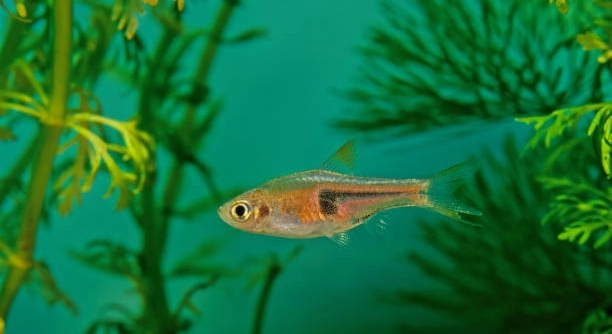
Have you ever stared at your aquarium and wondered if your rasbora is just swimming in circles out of boredom? Their small size and constant movement can make it hard to tell what they’re really feeling.
Rasboras are not capable of boredom in the same way humans experience it. However, studies show that enriched environments can influence their behavior and stress levels, suggesting they do respond to environmental changes in meaningful ways.
Understanding how environment affects your rasbora can help improve their daily life and overall health in subtle but important ways.
Why Tank Setup Matters for Rasboras
A tank that lacks variety can cause stress in rasboras. These small fish thrive in environments that closely mimic their natural habitat. A bare or overcrowded tank doesn’t offer them enough stimulation. When rasboras feel safe and have things to explore, they often appear more active and balanced. Adding live plants, driftwood, and hiding spots helps encourage natural behaviors. It also allows them to interact more with their surroundings, which reduces repetitive swimming or signs of restlessness. Lighting and water flow also play a role in keeping their routine engaging. Subtle changes in water current can give them something new to react to without causing discomfort. Rasboras also benefit from having space to school, so wide tanks are better than tall ones. Avoid sharp decorations, and choose soft plants and smooth surfaces. The goal is to create a tank that feels dynamic and safe, not overwhelming or sterile.
Creating a tank that supports natural behaviors will help your rasbora stay healthy and active. A peaceful space can make a big difference.
If your rasboras seem less active or are swimming in the same spot for long periods, consider if the tank setup needs improvement. Even small adjustments can lead to noticeable changes in their activity and comfort.
How Stimulation Affects Rasboras
Boredom in rasboras isn’t the same as in people, but they do show signs of stress or dull behavior when left in unstimulating conditions.
Adding variety to their daily life helps encourage exploration and social behavior. You can rotate decorations, introduce floating plants, or occasionally adjust lighting levels. Feeding routines can also be a form of stimulation—try offering food at different times or varying the type of food, such as frozen or live options. Even the presence of other peaceful fish can bring a sense of interaction. Rasboras tend to follow the movement of tank mates, which can help them stay active. However, it’s important to avoid overcrowding, which may increase stress. Another option is to place the tank in a spot where there’s occasional movement or changes in light throughout the day. This allows them to stay alert without being overwhelmed. Regular changes, even small ones, help them stay engaged. A thoughtful routine will keep them responsive and balanced.
Signs Your Rasbora Might Be Understimulated
Rasboras that are under-stimulated may swim in the same pattern for long periods, stay hidden more often, or seem less responsive during feeding times. These small changes can be easy to miss but are worth paying attention to.
Lack of stimulation can lead to duller coloration, slower swimming, or disinterest in social interaction with tank mates. Rasboras are naturally active, especially when kept in groups. If they begin to isolate or appear less coordinated, it could be a sign that they are not fully engaged in their environment. Constant hovering near the surface or corners of the tank can also indicate low mental stimulation. While these behaviors don’t always mean something is wrong, they often point to a need for environmental adjustments. Making a few changes in their space or routine can help restore balance and activity without causing stress.
You may also notice a difference in how your rasboras react to movement outside the tank. Normally, they respond quickly to changes or new activity nearby. If they stop doing this, it might mean they’re less alert than usual. The same goes for feeding—if they no longer rush to eat or explore new food, they may be feeling unstimulated. Keep an eye on any shift in group behavior too.
Easy Ways to Keep Them Engaged
Rotating tank decor every few weeks gives rasboras something new to explore without adding stress. Rearranging plants or hiding spots keeps their space fresh and encourages natural behavior. Keep changes small so they feel familiar but not boring.
You can also change how and what you feed them. Using feeding rings, sinking pellets, or occasional live food like brine shrimp makes eating more interactive. Adding floating plants provides shade and a sense of cover, which can lower stress and promote more movement in open areas. Water flow adjustments create gentle resistance that rasboras often enjoy swimming against. Consider placing a bubbler in a different spot every now and then. Also, check the lighting—softer, indirect light often makes rasboras more comfortable and likely to explore. Adding peaceful tank mates can encourage group behavior without overwhelming them. All of these changes, while simple, can go a long way in supporting your rasboras’ activity and overall comfort.
Do Rasboras Need Tank Mates?
Rasboras are social fish and do best in groups of six or more. Being around their own kind helps them feel secure and encourages natural schooling behavior, which keeps them active and reduces stress.
Without companions, they may become shy or inactive. Loneliness can lead to a drop in energy levels and reduced feeding. Keeping them in a small group helps maintain their mental and physical well-being.
How Lighting Affects Their Mood
Lighting plays a bigger role than many people realize. Rasboras prefer soft, steady light that mimics natural daylight. Bright or flickering light can stress them and make them retreat into hiding. Use adjustable lighting if possible and avoid sudden changes. Giving them a regular light schedule helps support a natural rhythm. Dimmer light in the evening creates a calming effect, while brighter light during active hours keeps them stimulated. Floating plants can also help diffuse harsh lighting, offering them more comfort. The goal is to keep things consistent and gentle so they stay active without feeling overwhelmed.
The Role of Feeding Routines
Feeding your rasboras at the same time each day gives them a sense of rhythm. This consistency helps them stay alert and responsive. Mixing up food textures and types can also make feeding time more stimulating.
Can rasboras really get bored?
Rasboras do not experience boredom in the human sense, but they do react to their environment. When kept in dull or bare tanks, they may show signs of stress or inactivity. This happens because they need stimulation through plants, decorations, or social interaction to maintain normal behavior. If their environment stays unchanged for too long, their activity can decrease, and they may seem less interested in exploring or feeding. So, while not boredom exactly, they do need variety to stay mentally healthy.
How can I tell if my rasboras are stressed or bored?
Signs include repetitive swimming patterns, hiding more than usual, loss of color, or lack of response during feeding. If your rasboras cluster in one corner or near the surface often, it could mean they feel unsafe or unstimulated. Watch for changes in their interaction with other fish; less schooling or isolation is another sign. These behaviors suggest the need for environmental improvements or more social interaction.
What tank setup is best to prevent boredom?
A naturalistic setup with live plants, smooth driftwood, and hiding spots works best. Avoid overcrowding, but keep them in groups of at least six for social comfort. Provide open swimming spaces and vary the tank layout occasionally. Soft lighting and gentle water flow mimic their native habitat, making the tank feel more dynamic. Rotating decorations every few weeks keeps their surroundings interesting without causing stress.
Are tank mates important for rasboras?
Yes, rasboras are schooling fish and thrive with companions of their own species or other peaceful fish. Being in a group helps reduce stress and encourages natural schooling behavior. Avoid aggressive or very large fish, as they can scare or harm rasboras. A well-chosen community tank keeps them active and socially engaged.
How often should I change the tank setup?
Small changes every few weeks can help keep rasboras engaged. Rearranging plants or adding new decorations provides fresh stimulation. However, avoid drastic or frequent changes that may stress them. The goal is a balance between variety and stability, allowing them to explore while feeling safe.
What role does feeding play in their activity?
Feeding is an important form of stimulation. Offering a variety of foods like flakes, frozen, or live foods keeps their interest. Feeding at regular times creates a routine that rasboras respond to positively. You can also make feeding more engaging by scattering food or using feeding rings, encouraging natural foraging behavior.
Can lighting affect rasbora behavior?
Yes, lighting impacts their mood and activity. They prefer soft, steady light that simulates natural daylight. Harsh or flickering lights can stress them and reduce their willingness to explore. Using dimmable or indirect lighting helps keep them calm and active. Floating plants can also reduce glare and create shaded areas, making the tank more comfortable.
How does water flow influence rasboras?
Gentle water flow simulates their natural environment and encourages movement. Too strong a current can tire or stress them, while too little can make the tank feel stagnant. A balanced flow helps rasboras swim naturally and stay alert, contributing to their overall well-being.
Is it normal for rasboras to rest or stay still sometimes?
Yes, occasional rest or stillness is normal. Like all fish, rasboras have periods of low activity. However, if they remain inactive for long periods or stop schooling, it may indicate stress or poor tank conditions. Regular observation helps distinguish normal rest from concerning behavior.
What can I do if my rasboras seem bored or stressed?
Start by improving the tank environment: add plants, hideouts, and adjust lighting. Ensure they have enough tank mates and a gentle water flow. Change feeding routines to include different foods and times. Avoid overcrowding and keep the tank clean with stable water parameters. Small, gradual changes often improve their activity and reduce stress.
Rasboras are small, active fish that benefit from a well-thought-out environment. While they do not get bored like humans do, their behavior changes when their surroundings lack variety or stimulation. This means that keeping their tank interesting is important for their overall health and happiness. Simple additions like live plants, hiding spots, and a good group of tank mates help create a more natural space where rasboras can swim, explore, and feel secure. These changes not only encourage normal behavior but also reduce stress, which can improve their lifespan and appearance.
Providing a balanced environment involves more than just decoration. Lighting, water flow, and feeding routines all play a part in how comfortable rasboras feel. Soft, steady lighting mimics their natural habitat, while gentle water currents encourage swimming without causing exhaustion. Feeding them a variety of foods and keeping a consistent schedule also helps maintain their interest and alertness. Watching their behavior closely gives clues about their comfort level, and small adjustments can often fix problems before they become serious. It’s important to remember that rasboras thrive in groups, so having enough companions is key to preventing loneliness or withdrawal.
In the end, understanding the needs of rasboras helps create a healthy, active aquarium. These fish rely on their environment to provide stimulation and security, which means tank owners should pay attention to how their fish act and respond. Making gradual improvements to the tank setup, feeding habits, and social conditions will support their well-being. A little effort goes a long way in keeping rasboras lively and vibrant. With the right care, they can be a rewarding addition to any freshwater tank.

Hello,
If you enjoy the content that we create, please consider saying a "Thank You!" by leaving a tip.
Every little bit helps us continue crafting quality advice that supports the health, happiness, and well-being of pets around the world, for pets of all shapes, sizes, and species.
We really appreciate the kindness and support that you show us!