
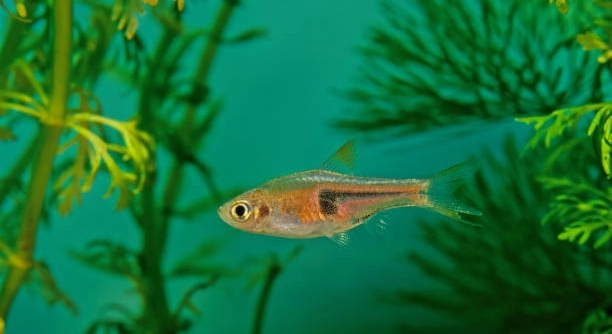
Rasboras are small, peaceful fish often kept in home aquariums. Sometimes, they swim to the top of the tank suddenly, which can catch owners off guard. This behavior can be influenced by several environmental and health factors.
Rasboras swim to the top randomly mainly due to changes in water oxygen levels, stress, or illness. Low oxygen makes them seek surface air, while stress or poor water quality can cause unusual swimming patterns.
Understanding these reasons can help you maintain a healthier tank and ensure your rasboras feel comfortable in their environment.
Oxygen Levels Affect Rasbora Behavior
Rasboras need good oxygen levels in their water to stay healthy and active. When the oxygen in the tank drops, they may swim to the surface where the oxygen is higher. This can happen if the tank is overcrowded or if the water circulation is poor. Sometimes, a warm tank holds less oxygen, which also causes this behavior. It’s important to have an aeration system or plants that help oxygenate the water. Checking the water regularly and doing partial water changes can keep oxygen levels stable. If you notice your rasboras swimming at the top often, it could mean the water is not right for them. Keeping the tank clean and well-maintained makes a big difference in how your fish behave. Watching for this sign early helps prevent bigger health problems.
Low oxygen levels in the tank force rasboras to move near the surface to breathe easier and avoid suffocation.
Maintaining proper water flow and temperature can improve oxygen availability. Adding an air stone or increasing filtration often helps. If the tank is crowded, reducing the number of fish may be necessary. Plants like hornwort or anacharis add oxygen naturally. Regular water changes remove waste that lowers oxygen. Monitoring water with an oxygen test kit provides clear information on when to act. These steps make the tank comfortable for your rasboras and reduce their need to swim near the surface. This simple care routine supports their well-being and keeps their behavior normal.
Stress and Environmental Changes
Rasboras can become stressed by sudden changes in their environment. Moving their tank or changing water conditions too quickly often causes stress. Loud noises, bright lights, or sudden temperature shifts also affect them. Stress makes them swim erratically, including going to the top of the tank. Stress weakens their immune system, making them more prone to illness. It’s best to keep their environment stable and calm to avoid this. Gradual changes in water or tank setup help them adjust without trouble. Watching for other signs of stress like hiding or loss of appetite is important. Creating a peaceful environment supports their health and natural behavior.
Stress causes rasboras to display unusual swimming patterns as they try to cope with their discomfort.
Keeping a stable environment is key. Avoid sudden water changes; instead, adjust water parameters slowly over days. Use dim lighting or place the tank where it won’t be disturbed by noise or movement. Providing plenty of plants or decorations offers hiding spots, which lowers stress levels. A well-set tank mimics their natural habitat and helps them feel secure. Feeding a balanced diet also strengthens their health during stressful times. When rasboras feel safe, they swim calmly and avoid erratic surface visits. This care creates a better experience for both fish and keeper.
Illness and Water Quality Issues
Poor water quality often causes rasboras to swim near the surface. High levels of ammonia, nitrites, or nitrates make the water toxic and uncomfortable for fish. If untreated, this can lead to serious illness.
Fish affected by poor water conditions may gasp at the surface to access cleaner oxygen. This behavior is a warning sign that the tank needs immediate attention. Regular testing of water parameters helps catch problems early. Changing water regularly and avoiding overfeeding keep toxins low. Maintaining proper filtration also removes harmful waste. Sick rasboras may show other signs like clamped fins, spots, or lethargy. Prompt action improves their chances of recovery and prevents death.
Good water quality is essential for rasboras’ health and normal behavior. Poor conditions stress their bodies and weaken immune defenses, allowing diseases to take hold. Treating the water and removing sick fish helps stop illness from spreading. Using aquarium-safe medicines after testing water ensures treatment success. A clean and stable environment promotes healing. Paying attention to water quality keeps your rasboras swimming happily without sudden top visits caused by discomfort or disease.
Feeding Habits and Surface Behavior
Rasboras sometimes swim to the top during feeding time, as they expect food to come from above. They may jump or dart near the surface when they sense movement or see flakes falling. This behavior is natural and linked to their feeding routine.
Feeding your rasboras at consistent times helps reduce stress and erratic swimming. Uneaten food sinking to the bottom can pollute the tank, so feeding only what they can eat is important. Observing how they react during feeding shows if they are healthy and active. Changing the type of food occasionally can keep them interested and balanced nutritionally. When feeding is regular and water clean, surface swimming related to hunger will be controlled. This also prevents excessive waste buildup that could harm water quality and fish health.
Temperature Fluctuations
Sudden changes in tank temperature can cause rasboras to swim erratically or stay near the surface. They are sensitive to temperature shifts and need a stable environment.
Keeping the water between 72°F and 78°F helps maintain their comfort. Using a reliable heater and thermometer prevents harmful temperature swings.
Lack of Space and Overcrowding
When the tank is overcrowded, rasboras may compete for oxygen and space, causing stress. This often leads them to swim near the surface where oxygen is more available. Overcrowding can also increase waste buildup, reducing water quality further.
Providing enough room and limiting the number of fish improves their behavior and health. A general rule is one inch of fish per gallon of water, but rasboras prefer even more space to swim freely.
Natural Swimming Patterns
Rasboras sometimes swim near the surface as part of their natural behavior. In the wild, they explore different tank levels for food and safety, so surface swimming is not always a sign of trouble.
Observing their usual activity helps distinguish between normal behavior and signs of stress or illness.
FAQ
Why do my rasboras suddenly swim to the surface and gasp?
This usually happens because the oxygen level in the water is too low. When oxygen is limited, fish swim near the surface where oxygen is more available. Poor water circulation, overcrowding, or warm water can cause this. Testing water and adding an air stone or better filtration often helps fix this problem.
Can poor water quality cause rasboras to swim at the top?
Yes, high levels of ammonia, nitrites, or nitrates make the water toxic. Rasboras may try to escape the poor conditions by staying near the surface. Regular water changes and proper filtration keep water safe and healthy for them.
Is it normal for rasboras to swim at the top during feeding?
Yes, rasboras often swim near the surface when they expect food. They naturally look for food at the top of the tank. Feeding at regular times reduces stress and keeps this behavior predictable.
Could stress make my rasboras swim near the surface?
Definitely. Stress from loud noises, sudden changes in light or temperature, or moving the tank can cause rasboras to behave unusually. Providing a stable, calm environment with hiding spots helps them feel safe and reduces this behavior.
What temperature is best to prevent surface swimming?
Rasboras prefer water between 72°F and 78°F. Sudden temperature changes can stress them and cause erratic swimming. Using a heater and thermometer keeps the temperature steady and comfortable for your fish.
How does overcrowding affect rasbora behavior?
Overcrowding reduces oxygen and space, leading to stress. Rasboras may swim near the surface to find more oxygen. Keeping the tank properly stocked and maintaining good water quality helps them swim normally.
Can illness cause my rasboras to swim at the top?
Yes. Diseases that affect breathing or weaken the fish can cause them to seek oxygen near the surface. Watch for other signs like clamped fins, spots, or lethargy, and treat water or fish promptly.
What should I do if my rasboras keep swimming at the surface?
First, test water quality and oxygen levels. Do partial water changes if needed and improve aeration. Check temperature and avoid sudden changes. Look for signs of stress or illness and provide a calm environment. Adjust feeding and reduce overcrowding if possible.
Are some rasboras more likely to swim near the surface?
Individual behavior varies. Some rasboras might explore more actively, including near the surface. However, sudden or constant surface swimming usually points to an environmental or health issue.
How often should I check my tank to prevent surface swimming?
Regular monitoring is key. Testing water weekly and observing your fish daily helps catch problems early. Keeping the tank clean and stable prevents conditions that cause surface swimming.
Final thoughts on why rasboras swim to the top can help you better care for these small, lively fish. Understanding their behavior gives you clues about their needs and the condition of their environment. Swimming near the surface is often a sign that something in their tank might need attention. It could be as simple as low oxygen levels or a change in water quality. When you notice this behavior, it’s a good idea to check the tank’s temperature, cleanliness, and how many fish are living in it.
Keeping the water clean and well-oxygenated is one of the most important things for your rasboras’ health. Regular water changes and good filtration keep the tank safe and comfortable for them. Also, avoid sudden changes in temperature or lighting because these can stress the fish and cause them to behave oddly. Stress can lower their immune system, making them more likely to get sick. Adding live plants or decorations can give them places to hide, helping reduce stress and making the tank feel more natural.
Finally, watching how and when your rasboras feed is important. Feeding them small amounts at consistent times prevents leftover food from polluting the tank. Healthy fish usually swim actively and respond well during feeding. If your rasboras keep going to the surface, it’s a sign to look closer at their tank conditions and health. Taking good care of their environment will keep your fish happy and swimming naturally, not just at the top. Paying attention to these details makes a big difference in their well-being over time.

Hello,
If you enjoy the content that we create, please consider saying a "Thank You!" by leaving a tip.
Every little bit helps us continue crafting quality advice that supports the health, happiness, and well-being of pets around the world, for pets of all shapes, sizes, and species.
We really appreciate the kindness and support that you show us!