
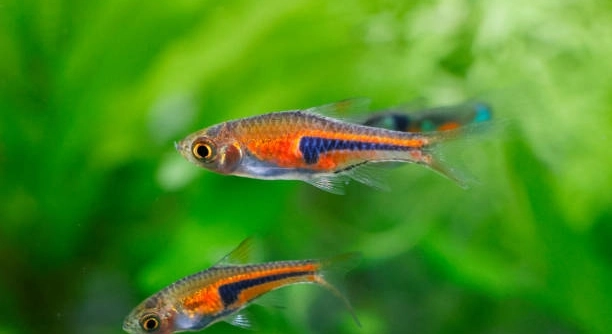
Do you ever notice your rasbora spending less time near the surface and suddenly hovering in the middle of the tank instead?
Rasboras often move to the middle of the tank due to subtle changes in water parameters, lighting, or stress levels. This behavior may also be linked to natural instincts or shifts in social dynamics within the school.
Environmental shifts and internal group behavior can both play a part, and recognizing these signs early can help maintain a peaceful and healthy aquarium space.
What Might Be Causing the Shift
When rasboras suddenly prefer the middle of the tank, it’s often due to subtle changes in their environment. These fish are naturally drawn to safety, and the middle zone may offer the right balance between light, food, and shelter. Bright lighting at the surface or strong currents can push them lower. On the other hand, poor water quality at the bottom may keep them from resting there. They may also feel less threatened when the middle space gives them better visibility of their surroundings. Another reason could be new additions to the tank or a shift in group behavior that makes them adjust their preferred zone. Rasboras are schooling fish, so if a few change their behavior, others will usually follow.
You might also notice this change after a water change, rearranging décor, or adjusting your filter. Small updates can feel big to such sensitive fish.
If their colors remain vibrant and they are still schooling together, eating normally, and not gasping at the surface, there may be no need to worry. It could just be a temporary adjustment as they adapt to new conditions. Keeping a close eye on tank parameters, feeding habits, and any changes in their surroundings is the best way to stay ahead.
What You Can Do About It
Start by testing the water. Make sure ammonia, nitrites, and nitrates are at safe levels. Check temperature and pH too.
Once you’ve ruled out major water quality issues, take a look at the setup. Strong filters or air stones might be pushing too much current toward the surface. You can try adjusting their placement or reducing the power slightly. Sometimes, simply changing the light intensity can make a difference. If the surface feels too exposed, adding floating plants like duckweed or frogbit may create a more comfortable space. On the other hand, ensure the bottom of the tank is clean and not building up waste. If you’ve recently added fish or changed the tank layout, give the rasboras time to settle. Social dynamics take a little while to stabilize. Watch their behavior over the next few days. As long as they’re still active, feeding, and not showing signs of illness, swimming in the middle may just be their new normal.
How Lighting and Surroundings Play a Role
Lighting can have a strong effect on rasboras. If the tank lights are too bright or kept on too long, they may avoid the upper zone and feel more at ease in the middle, where it’s calmer.
Rasboras prefer a soft, diffused light that mimics their natural habitat. Bright lights can make them feel exposed and anxious, especially in a sparsely decorated tank. If your tank has few plants or hiding spots, they may feel safer mid-level. Adding more cover like floating plants or tall stems can make a big difference. If you recently changed the light bulb or switched to LED lighting, try dimming it slightly or shortening the light cycle. Sometimes, indirect lighting or leaving a portion of the tank shaded helps rasboras spread out more comfortably. The middle zone often becomes a “safe” area when the surface feels too exposed.
Your tank’s layout matters just as much. A bare tank with little cover can leave rasboras unsure of where to settle. Even something small like a new ornament can make them rethink their space. When the middle offers the most balanced visibility, airflow, and security, they may settle there out of habit. Rearranging plants or decorations can gently guide them back up.
How Tankmates Influence Behavior
Some rasboras shift to the middle when tankmates become more active or slightly aggressive. Even peaceful fish can create tension if space feels limited.
If larger or faster fish dominate the top of the tank, rasboras may naturally move lower to avoid stress. Fin-nipping fish, even those not usually aggressive, can also push them away from their comfort zone. Adding too many fish at once can cause the school to feel overwhelmed. Fish like barbs, danios, or gouramis—though often considered community-safe—can outcompete rasboras for space or food. If you notice chasing, rapid darting, or hiding, observe how each species behaves during feeding and downtime. Giving rasboras a bit of space through better plant cover, more horizontal swimming room, or even removing a problematic tankmate might help. A calm tank often brings them back to their usual swimming level once they regain confidence in their space.
How Feeding Habits Can Shift Patterns
If food often sinks or is placed in the middle zone, rasboras may start spending more time there. Over time, they associate that space with feeding.
Feeding at the surface less often or using sinking pellets can unintentionally change their habits. They’ll follow where the food is.
How Stress Impacts Their Comfort
Stress is one of the main reasons rasboras change swimming levels. Sudden movement, loud noise, or frequent tank maintenance can all affect their comfort. A new tank setup or being moved recently can also cause temporary changes. Even small things like inconsistent lighting or poor sleep cycles affect their behavior.
When It’s Nothing to Worry About
If they’re still active, schooling, and eating well, middle swimming isn’t always a bad sign. Some rasboras simply adjust to what feels best in their tank.
Why do my rasboras suddenly stay in the middle of the tank?
Rasboras may move to the middle of the tank because the top and bottom areas no longer feel comfortable or safe. Bright lighting, strong water currents near the surface, or poor water quality at the bottom can push them toward the middle. Changes in tank decoration or new fish may also influence their preferred swimming level. It is often a natural adjustment rather than a sign of illness.
Is it normal for rasboras to change their swimming habits like this?
Yes, it is normal. Rasboras are sensitive to their environment and can adjust their swimming patterns based on comfort and safety. If they are still active, eating, and schooling together, this behavior usually does not mean something is wrong.
How can lighting affect where my rasboras swim?
Strong or constant bright lighting can make rasboras avoid the upper tank areas. They feel exposed and stressed under intense light, so they move to shaded or dimmer parts like the middle. Reducing light intensity or adding floating plants can help them feel more secure.
What role does tank decoration play in their swimming level?
Tank decorations provide hiding spots and reduce stress. Sparse tanks with few plants or shelters can make rasboras feel unsafe near the surface or bottom. Adding tall plants or floating cover encourages them to spread out and swim at different levels more comfortably.
Could other fish in the tank be affecting my rasboras’ behavior?
Yes, tankmates can influence where rasboras swim. Larger or more active fish near the surface may push rasboras down to the middle. Aggressive or fin-nipping species can also cause them to avoid certain areas. Make sure your tankmates are peaceful and compatible with rasboras.
How does feeding influence their swimming habits?
Rasboras tend to stay where food is most available. If you feed sinking pellets or drop food in the middle, they will spend more time there. Changing feeding routines or feeding locations can encourage them to explore other tank levels.
What signs should I watch for that indicate a problem?
Look for signs like lethargy, loss of appetite, gasping at the surface, faded colors, or isolated behavior. These may indicate illness or poor water quality. If your rasboras swim in the middle but remain active and eat well, there is usually no cause for concern.
How often should I check water parameters to keep my rasboras comfortable?
Regular water testing is important. Check ammonia, nitrite, nitrate, pH, and temperature weekly or biweekly. Stable, clean water helps reduce stress and encourages normal behavior, including healthy swimming patterns.
Can stress from tank maintenance cause them to change where they swim?
Yes, frequent or rough tank maintenance can stress fish. They may temporarily move to the middle or hide until the tank settles down again. Try to keep maintenance calm, avoid sudden changes, and keep a consistent routine.
Will the swimming behavior return to normal on its own?
Often it will. Once environmental factors like lighting, water quality, or tankmates are balanced, rasboras usually resume normal swimming patterns. Patience and observation are key to knowing if adjustments are working.
Rasboras are delicate fish that respond quickly to their environment. When they suddenly prefer swimming in the middle of the tank, it usually reflects changes in their surroundings or feelings of comfort. This behavior is not always a sign of a serious problem. Sometimes, it’s simply because the middle area offers a better balance of light, safety, and space. Factors like lighting, water quality, tank decoration, and other fish all play a role in where rasboras feel most at ease. Understanding these elements can help explain why your fish change their swimming habits.
Keeping an eye on your tank’s conditions is important to maintain a healthy space for your rasboras. Regular water testing, careful control of lighting, and thoughtful tank design can make a big difference. Providing hiding spots or plants allows the fish to choose where they want to be without feeling stressed. It’s also helpful to watch how other fish in the tank interact with the rasboras, as sometimes tankmates can influence their behavior. If you notice the rasboras are active, eating well, and schooling together, their new preference for the middle should not cause worry.
Overall, rasboras’ choice to spend more time in the middle of the tank can be a normal adjustment. It often reflects their search for comfort and balance in their environment. By paying attention to changes in lighting, feeding habits, tank mates, and water conditions, you can support your fish’s well-being. With time and some small adjustments, your rasboras will feel safe and happy in their home, wherever they choose to swim.

Hello,
If you enjoy the content that we create, please consider saying a "Thank You!" by leaving a tip.
Every little bit helps us continue crafting quality advice that supports the health, happiness, and well-being of pets around the world, for pets of all shapes, sizes, and species.
We really appreciate the kindness and support that you show us!