
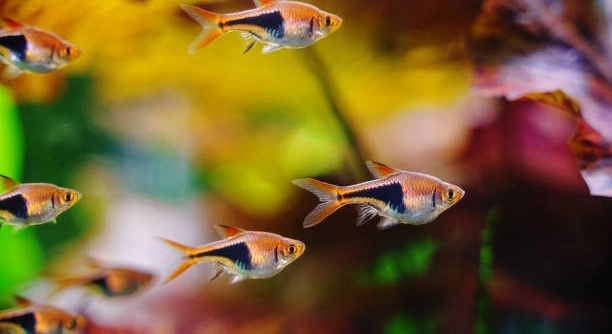
Rasboras are small, lively fish often kept in home aquariums. They are known for their constant movement, especially swimming near the glass walls of the tank. Many aquarists notice them going up and down the glass frequently.
Rasboras swim up and down the glass due to a combination of environmental exploration, feeding behavior, and territorial instincts. This movement allows them to search for food, interact with their surroundings, and maintain social hierarchy within the tank.
Understanding why rasboras behave this way can help improve their care and create a more comfortable environment for them in your aquarium.
Why Rasboras Explore the Glass
Rasboras often swim along the glass because it helps them explore their environment. In a tank, the glass walls create boundaries, and these fish like to check their surroundings regularly. This behavior is natural and shows their curiosity. Sometimes, the reflections on the glass confuse them, making it seem like there are other fish nearby. They may try to interact with these reflections, causing more movement up and down the glass. Additionally, the glass area might offer small amounts of food particles or algae, which attract their attention. Rasboras are active swimmers and use every part of the tank to stay engaged and alert. Watching them move like this is normal and usually means they feel safe and stimulated in their space.
Rasboras use the glass to navigate and stay aware of their environment. It supports their natural instincts.
The glass walls act like markers for rasboras. In a tank, there are no hiding spots like in the wild, so the glass helps these fish keep track of their area. This constant movement also helps them stay fit and healthy. When they swim near the glass, it’s a sign they are active, which is good for their well-being.
Feeding and Social Behavior Near the Glass
Rasboras often swim by the glass during feeding times. The glass is where food usually falls, so they watch it closely. They swim up and down the glass to catch any food particles before they sink. This helps them get enough nutrition in a tank setting.
In addition to feeding, rasboras display social behavior near the glass. They may swim in groups or chase reflections as part of their social interactions. This movement helps establish social order and reduces stress among the fish. The glass provides a clear view of their tank mates, which supports communication and bonding. Understanding these behaviors can help aquarists create better feeding schedules and tank environments that keep rasboras comfortable and active.
Environmental Factors Affecting Rasbora Movement
Lighting and water quality can influence how rasboras swim near the glass. Bright lights may cause them to seek shaded areas, often near the tank edges. Clean, well-maintained water keeps them healthy and active, which encourages movement.
When the water is clear and stable, rasboras feel more comfortable exploring their surroundings. Sudden changes in water temperature or chemistry can stress them, causing them to hide or become less active. Proper filtration and regular water changes maintain a safe habitat, so rasboras continue their natural swimming patterns along the glass. Lighting should be balanced to avoid harsh reflections or glare that might confuse them.
The tank setup also matters. Plants and decorations create hiding spots, which can reduce constant swimming by the glass. Without enough cover, rasboras might swim along the glass more often because they feel exposed. Providing a mix of open space and shelter helps balance their activity and comfort levels.
Signs to Watch for in Rasbora Behavior
Constant swimming up and down the glass may sometimes signal stress or illness. If this behavior is paired with other signs like fading color or loss of appetite, it’s important to check tank conditions.
Stress can be caused by overcrowding, poor water quality, or aggressive tank mates. Illness may also change swimming habits, making rasboras restless or lethargic. Observing their behavior closely helps detect problems early. Adjusting water parameters or separating aggressive fish can reduce stress. Regular health checks and proper feeding keep rasboras active and healthy, preventing unwanted behavior changes.
Tank Size and Space
A small tank limits where rasboras can swim, causing them to move near the glass more often. Larger tanks give them more room to explore and reduce repetitive swimming behaviors.
Overcrowding also affects their movement. Too many fish in one tank can stress rasboras, making them restless near the glass as they try to find space.
How Reflection Impacts Rasbora Behavior
Reflections on the glass may confuse rasboras, making them think other fish are nearby. They often swim up and down chasing these reflections. This behavior is natural but can increase stress if it happens too much.
Encouraging Natural Behavior in Rasboras
Providing plants, hiding spots, and varied tank decorations helps rasboras feel secure. This setup encourages them to swim naturally throughout the tank instead of sticking to the glass.
Monitoring Fish Health
Regularly watching your rasboras for changes in behavior or appearance is important. Early detection of problems keeps them healthy and active.
FAQ
Why do rasboras keep swimming up and down the glass?
Rasboras swim up and down the glass mainly because they are exploring their environment and reacting to reflections. The glass creates boundaries in their tank, so they use it to navigate. Sometimes, they see their reflection and think it’s another fish, which makes them swim back and forth trying to interact. This behavior is usually normal, showing they are active and curious.
Is it harmful for rasboras to swim near the glass so much?
Generally, swimming near the glass is not harmful as long as the fish look healthy and show no signs of stress. However, if they constantly bump into the glass or appear frantic, it could indicate stress or poor tank conditions. Make sure the tank has enough space, hiding spots, and proper water quality to keep them comfortable.
Can reflections stress out my rasboras?
Yes, reflections can cause stress if the fish constantly chase their own image. This repeated chasing wastes energy and may lead to exhaustion over time. To reduce reflections, adjust the lighting, add background decorations, or place plants near the glass to break up the reflections and provide a calmer environment.
How does tank size affect rasbora behavior?
Tank size is very important for rasboras. A small tank restricts their swimming space, making them move near the glass more often out of boredom or lack of space. A larger tank allows them to explore freely and reduces repetitive movements. It’s best to provide at least 10 gallons for a small group to keep them healthy and active.
What role does water quality play in their swimming habits?
Water quality strongly impacts rasbora activity. Clean, well-maintained water encourages natural swimming patterns, while poor water conditions can cause stress or illness, making fish restless or lethargic. Regular water changes and proper filtration are key to keeping water safe, which supports healthy movement in the tank.
Why do rasboras swim in groups along the glass?
Rasboras are schooling fish, and swimming in groups helps them feel safe. Moving together along the glass can be part of their social behavior, maintaining group cohesion. It also helps them stay alert to changes in their environment and avoids potential threats.
Should I add plants or decorations to reduce glass swimming?
Adding plants and decorations provides hiding spots and breaks up open space, making rasboras feel more secure. This encourages them to swim throughout the tank instead of sticking to the glass. Plants also improve water quality and offer natural places to explore.
When should I worry about rasbora behavior?
Worry if your rasboras suddenly change their swimming patterns, become lethargic, lose color, or stop eating. These can be signs of stress, illness, or poor water conditions. Check water parameters and tank mates, and consider consulting a specialist if problems continue.
Can feeding habits influence their movement near the glass?
Yes, rasboras often swim near the glass during feeding because food usually falls there. They watch for particles and try to catch them quickly. Feeding in the same spot regularly encourages this behavior but can also lead to more swimming near the glass.
How do I create a better environment for rasboras to reduce glass swimming?
Provide a larger tank with clean water, proper lighting, and plenty of plants or decorations. Avoid overcrowding and aggressive fish that may stress them. A varied diet and consistent feeding schedule also help. These factors combined create a comfortable space where rasboras explore naturally rather than focus on the glass.
Rasboras swimming up and down the glass is a common behavior that many aquarium owners notice. It often reflects their natural instincts to explore their environment, look for food, and interact with their surroundings. This behavior is usually normal and shows that the fish are active and curious. When rasboras swim near the glass, they may also be responding to reflections or boundaries within their tank. Understanding these reasons can help you better care for them and create a comfortable space that meets their needs.
It is important to keep in mind that while swimming near the glass is typical, certain conditions can cause stress or discomfort. Poor water quality, overcrowding, or aggressive tank mates may make rasboras swim in a restless or repetitive way that is not healthy. Keeping the tank clean, providing enough space, and adding plants or decorations to offer hiding places can help reduce this behavior. Proper lighting and avoiding strong reflections on the glass also make the environment calmer for the fish. Watching your rasboras regularly will help you spot any changes that could indicate health issues or stress.
In the end, providing a well-maintained tank with enough room and interesting features will encourage your rasboras to swim naturally throughout the space. Feeding them regularly and ensuring water quality supports their health will keep them active and happy. By paying attention to their behavior and environment, you can enjoy watching these lively fish move confidently and comfortably, whether near the glass or anywhere in the tank. Creating the right conditions helps rasboras thrive and makes your aquarium a pleasant place to watch every day.

Hello,
If you enjoy the content that we create, please consider saying a "Thank You!" by leaving a tip.
Every little bit helps us continue crafting quality advice that supports the health, happiness, and well-being of pets around the world, for pets of all shapes, sizes, and species.
We really appreciate the kindness and support that you show us!