
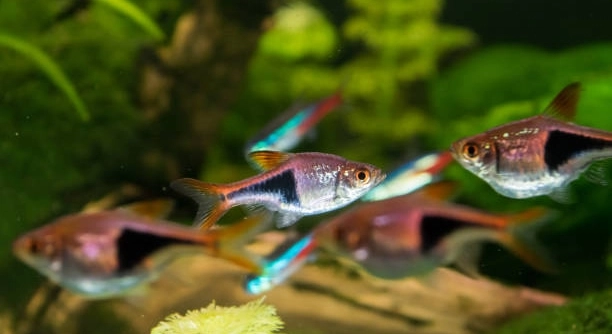
Rasboras are small, colorful fish often kept in home aquariums. Many fish owners notice how these fish respond to their surroundings and sometimes wonder about their sensitivity to moods. Understanding fish behavior can help improve care.
Rasboras do not have the neurological capacity to sense human emotional energy directly. Their reactions are based on environmental cues such as movement, vibrations, and changes in water conditions, which may indirectly reflect a person’s mood or activity level.
Learning about how rasboras respond to their environment can deepen our appreciation for their behavior and enhance the aquarium experience. This knowledge helps create a better habitat for these delicate creatures.
How Rasboras Perceive Their Environment
Rasboras rely mainly on their senses to understand what is happening around them. Their eyes pick up movements and changes in light, while their lateral line system detects vibrations in the water. This system helps them sense nearby objects, predators, or other fish. Changes in water flow or noise may cause them to react quickly, appearing alert or stressed. When a person approaches the tank, rasboras might notice shifts in activity or sudden movements. These reactions are natural survival mechanisms, not a direct response to emotional energy. They respond to physical cues in their environment that may indirectly reflect human behavior. Understanding these responses can help caretakers provide a calm and stable habitat, which supports the fish’s well-being and reduces stress.
Rasboras are sensitive to changes but not to emotions. They respond only to physical stimuli.
Keeping their environment consistent supports their health and encourages natural behavior in the tank.
Signs That Suggest Sensitivity to Energy
Rasboras may appear to react to human presence, but these responses are tied to movement or sounds rather than feelings. When the aquarium is calm and quiet, rasboras tend to swim more freely and show relaxed behavior. If there is sudden noise or fast movement near the tank, they may dart or hide. These actions are survival instincts, helping them avoid threats. It might seem like they sense moods, but it is actually their way of reacting to changes around them. Observing these behaviors helps caretakers understand how to maintain a peaceful environment, minimizing stress for the fish.
The environment impacts rasbora behavior more than any emotional cues.
Providing a quiet space and gentle interactions helps rasboras feel secure.
A stable environment allows rasboras to exhibit their natural, calm swimming patterns. When the water conditions and surroundings remain constant, they show less stress and more active exploration. Any sudden changes, such as loud noises or rapid hand movements near the tank, can startle them, causing quick, defensive reactions. These behaviors show their sensitivity to external physical factors rather than emotional energy. Owners who maintain a predictable routine and avoid abrupt disturbances help their rasboras feel safe. Over time, fish may even recognize regular activity patterns, like feeding times, which further reduces anxiety. Understanding this helps create a supportive space that respects their natural instincts and promotes long-term health.
Factors Influencing Rasbora Behavior
Rasboras react mainly to their physical surroundings, including light, temperature, and water quality. Changes in these factors can cause noticeable shifts in their behavior.
Stable water conditions are essential for rasboras. Sudden changes in temperature or water chemistry can stress them, leading to erratic swimming or hiding. Consistent lighting helps regulate their daily rhythms and supports healthy activity levels. Additionally, a well-maintained tank with proper filtration keeps their environment comfortable. These factors influence how calm or alert the fish appear, often more than any external emotional energy.
Rasboras are social fish and prefer to be in groups. When kept in adequate numbers, they feel safer and exhibit natural schooling behavior. Social interaction reduces stress and encourages active swimming. If isolated or kept in too small groups, they may become timid or show signs of distress. Understanding these social needs helps caretakers provide an environment that supports the fish’s natural instincts and promotes overall health.
Observing Subtle Behavioral Cues
Rasboras may show slight changes in behavior when their environment is altered, but these are reactions to stimuli, not emotions. They might pause, change swimming speed, or adjust position in response to movement or noise. These subtle cues indicate alertness rather than emotional sensing.
Regular observation of rasboras can reveal patterns tied to environmental factors. For example, they may become more active during feeding times or less active when the tank is disturbed. Learning to interpret these signs helps in managing tank conditions effectively. Recognizing when the fish are stressed by physical changes ensures timely adjustments to water parameters or tank setup. Such care maintains their health and comfort, supporting a peaceful aquarium environment.
How Movement Affects Rasbora Reactions
Rasboras are highly responsive to movement near their tank. Sudden motions can startle them, causing quick darting or hiding. Gentle, slow movements create less disturbance and allow the fish to remain calm.
Consistent behavior around the tank helps rasboras adjust. They learn to recognize familiar patterns and are less likely to react strongly to routine activity.
Impact of Lighting on Behavior
Lighting influences rasbora activity by simulating natural day and night cycles. Proper lighting encourages healthy swimming patterns and feeding behavior. Bright or flickering lights can stress them, causing hiding or inactivity. Using a timer to maintain a steady light schedule helps regulate their internal clock and overall well-being.
Feeding and Emotional Responses
Feeding times often trigger visible excitement in rasboras. They may swim actively and gather near the surface. This behavior is linked to hunger and routine rather than sensing emotions. Feeding establishes trust and a positive association with caretakers, but it is based on learned responses, not emotional awareness.
Water Quality and Stress
Poor water quality quickly affects rasbora health and behavior. High ammonia or nitrite levels cause distress, leading to lethargy or erratic swimming. Regular testing and maintenance are crucial for a stable environment that supports their well-being.
FAQ
Can rasboras really sense human emotions?
Rasboras do not have the ability to sense human emotions directly. Their reactions come from physical cues such as movement, vibrations, and changes in light around the tank. These signals might sometimes seem linked to human moods, but it is actually a response to environmental changes, not feelings.
Why do rasboras swim faster when I approach the tank?
When you approach the tank, your movement creates vibrations and shadows that rasboras can detect. This startles them, making them swim faster or hide briefly. Their behavior is a natural defense mechanism to avoid possible threats.
Do rasboras respond to music or sounds outside the tank?
Rasboras can sense vibrations and low-frequency sounds through the water. Loud or sudden noises may cause them to become nervous or hide. However, they do not respond to music or sounds in an emotional way, but rather as potential disturbances in their environment.
Can rasboras recognize their owner?
While rasboras do not recognize people by face or emotion, they can learn to associate certain routines like feeding time with your presence. This recognition is based on habit and pattern rather than personal attachment or emotional understanding.
How can I reduce stress for my rasboras?
Maintain stable water conditions, avoid sudden movements near the tank, and keep consistent lighting and feeding schedules. Providing plenty of plants or hiding spots also helps them feel secure and less stressed.
Why do rasboras hide suddenly?
Sudden hiding usually happens because of a perceived threat, like loud noises, rapid movements, or changes in the tank environment. This is a natural response to protect themselves and usually lasts until they feel safe again.
Is it normal for rasboras to ignore me sometimes?
Yes, rasboras often ignore their surroundings when they feel safe and relaxed. They focus on swimming, exploring, or resting. This calm behavior indicates they are comfortable in their environment.
Do rasboras need social groups?
Yes, rasboras are schooling fish and feel more secure in groups of at least six. Being in a group reduces stress and encourages natural swimming behavior. Isolated fish may become shy or stressed.
Can emotional energy from other pets affect rasboras?
No, rasboras do not sense emotional energy from other pets. However, sudden movements or noises made by pets like dogs or cats near the tank can stress the fish. Keeping the tank in a quiet area helps minimize disturbances.
How do I know if my rasboras are stressed?
Signs of stress include erratic swimming, hiding for long periods, loss of appetite, or color fading. Monitoring these behaviors can help you identify problems early and adjust tank conditions accordingly.
Can changes in lighting improve rasbora mood?
Proper lighting supports their natural rhythms, helping rasboras stay active and healthy. Avoid bright or flickering lights, which may cause stress. Using a timer to create a consistent day-night cycle is ideal.
Is it possible for rasboras to feel comfortable with gentle interaction?
Yes, rasboras become accustomed to calm, gentle movements near the tank over time. This reduces their startle response and helps them feel more secure, but this is still a reaction to physical presence rather than emotional connection.
What role does water quality play in rasbora behavior?
Good water quality is essential for their health and calm behavior. Poor water conditions cause stress, making fish hide or swim erratically. Regular water testing and changes keep the environment safe and stable.
How often should I feed my rasboras?
Feeding small amounts once or twice a day is best. Overfeeding can pollute the tank and cause health problems. Regular feeding schedules help rasboras associate routine with safety and reduce stress.
Can I train my rasboras?
Rasboras can learn to recognize feeding routines but cannot be trained like mammals. They respond mainly to environmental cues and repeated patterns rather than commands or emotional signals.
Rasboras are small, delicate fish that respond mainly to physical changes in their environment. Their behavior is influenced by things like movement, light, water quality, and social conditions. While it may sometimes seem like they can sense emotions, their reactions are actually based on these environmental factors. Understanding how rasboras respond to their surroundings helps fish keepers create a calm and healthy tank. This reduces stress for the fish and supports their natural behavior.
Keeping a stable environment is important for rasboras. Consistent water temperature, clean water, and proper lighting make a big difference in how comfortable they feel. Sudden changes in the tank can cause them to hide or swim nervously. Because they rely on their senses to detect vibrations and movement, it is best to avoid loud noises or quick motions near the aquarium. Providing plenty of plants and space for swimming also helps them feel secure. When these needs are met, rasboras display their typical schooling and peaceful behavior.
It is important to remember that rasboras do not experience or react to human emotions. Their responses are instinctive and based on survival. While they may seem aware of the mood around them, this is actually their reaction to physical signals in the tank. Knowing this helps caretakers avoid misunderstanding their behavior and focus on creating the best possible conditions. By maintaining a stable environment and respecting their natural needs, rasboras can thrive and bring enjoyment to any aquarium setting.

Hello,
If you enjoy the content that we create, please consider saying a "Thank You!" by leaving a tip.
Every little bit helps us continue crafting quality advice that supports the health, happiness, and well-being of pets around the world, for pets of all shapes, sizes, and species.
We really appreciate the kindness and support that you show us!