
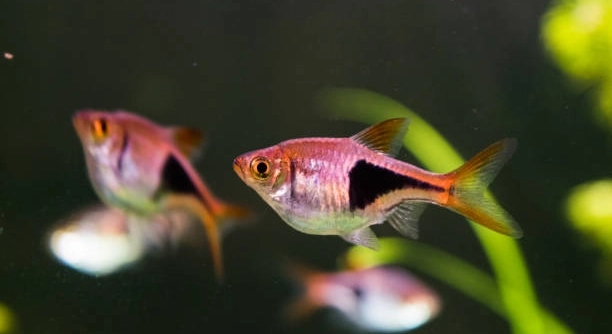
Many fishkeepers enjoy watching rasboras swim gracefully in their tanks. These small, peaceful fish have specific preferences that affect their behavior and comfort. Understanding what they tend to avoid can improve their environment and wellbeing.
Rasboras typically avoid sharp objects, strong currents, bright lights, rough surfaces, aggressive tank mates, sudden movements, and poor water quality. These factors can cause stress or injury, leading to changes in behavior or health problems in the fish.
Recognizing these avoidance patterns helps create a safer, more comfortable space for rasboras to thrive and show their natural behaviors.
Sharp Objects and Rough Surfaces
Sharp objects in the tank, such as jagged decorations or broken plants, can cause injury to rasboras. These fish have delicate fins and bodies that are easily damaged when they brush against rough or pointed surfaces. Providing smooth decorations and carefully inspecting tank items before adding them can prevent harm. Rasboras also tend to avoid rough surfaces because they feel uncomfortable and stressed around them. Smooth rocks, soft plants, and rounded edges make their environment more natural and safe. Keeping their surroundings gentle encourages healthy swimming behavior and reduces the risk of fin tears or infections caused by wounds. Regular maintenance to remove any sharp debris will also help keep the tank safe. Overall, ensuring smooth and safe tank decorations contributes to the happiness and health of your rasboras.
Sharp objects and rough surfaces can cause physical harm and stress, so it is best to avoid these in the aquarium setup.
Providing smooth, safe tank decor creates a better habitat for rasboras to move freely and comfortably.
Strong Currents and Bright Lighting
Strong water currents are often stressful for rasboras because these fish prefer calm, gentle water movement. Excessive flow makes it hard for them to swim naturally and can tire them quickly. It is important to adjust filters and pumps to create mild water circulation. Bright lighting also affects rasboras negatively, as they come from shaded environments with moderate light. Too much brightness can cause discomfort and hiding behavior. Using dimmable or indirect lighting can help mimic their natural habitat, encouraging more active and relaxed swimming. Controlling water flow and lighting settings can significantly improve the tank environment. Observing how rasboras react to these changes will guide the best setup choices for their comfort and health.
Strong currents disrupt swimming and bright lighting causes stress in rasboras, affecting their natural behavior and wellbeing.
Adjusting water flow and lighting to suit their needs helps create a peaceful and natural habitat for your fish.
Aggressive Tank Mates
Aggressive fish can stress or harm rasboras, making them avoid certain areas of the tank. This affects their comfort and safety. Choosing peaceful companions is essential for their wellbeing.
Aggressive species often chase or nip at smaller fish like rasboras. This behavior causes constant stress, reducing their appetite and activity. Over time, it may lead to injuries or illness. Rasboras naturally prefer calm, social environments with other peaceful fish. Introducing species that share similar temperaments encourages harmony and healthy interactions. Careful selection of tank mates ensures that rasboras can swim freely without fear or stress.
Avoiding aggressive companions also means fewer hiding spots are needed, allowing more open swimming space. It supports their social nature and encourages natural schooling behavior. Ensuring compatibility between tank inhabitants creates a balanced ecosystem and reduces the risk of conflicts or stress-related health problems for rasboras.
Sudden Movements
Rasboras are sensitive to quick or sudden movements outside the tank. These can startle and frighten them, causing stress and erratic swimming. Minimizing abrupt actions near the aquarium helps maintain calm.
Frequent sudden motions can disrupt rasboras’ sense of safety, making them hide or swim frantically. Over time, this can weaken their immune system and reduce overall wellbeing. Maintaining a quiet, steady environment around the tank is important. This includes avoiding tapping on the glass or sudden changes in lighting. Creating a peaceful space allows rasboras to feel secure, encouraging normal behavior and better health.
Rasboras rely on consistent surroundings to thrive. Sudden movements break this stability and increase anxiety. By reducing disturbances, their environment becomes predictable and calming, which is essential for their long-term comfort.
Poor Water Quality
Poor water quality causes stress and illness in rasboras. High levels of ammonia, nitrites, or nitrates should be avoided to keep them healthy. Regular water changes and monitoring are essential.
Maintaining stable water parameters such as temperature, pH, and hardness helps rasboras thrive. Sudden changes can lead to discomfort and disease. Proper filtration and frequent testing ensure a safe environment.
Temperature Fluctuations
Sudden or extreme temperature changes disturb rasboras’ metabolism and immune system. Consistent, suitable temperatures are critical for their health and behavior.
Lack of Hiding Places
Rasboras feel vulnerable without adequate hiding spots. Plants and decorations provide shelter that reduces stress and encourages natural behavior.
FAQ
What happens if rasboras touch sharp objects?
Sharp objects can cause cuts or tears on rasboras’ delicate fins and bodies. Even small injuries can lead to infections if not treated. These wounds cause discomfort, reduce swimming ability, and increase stress. Keeping the tank free from jagged decorations helps avoid these problems and keeps the fish healthy.
How do strong currents affect rasboras?
Strong water flow forces rasboras to swim harder, which tires them quickly. It prevents natural, smooth movement and may cause stress or exhaustion. Rasboras prefer gentle currents that mimic their calm natural habitats. Adjusting filter output or using flow reducers can create a better environment for them.
Why is bright lighting bad for rasboras?
Rasboras come from shaded areas and are sensitive to intense light. Bright lighting can cause stress, leading to hiding or erratic behavior. Soft or indirect lighting replicates their natural setting, helping them feel secure and comfortable in the aquarium.
Can aggressive tank mates harm rasboras?
Yes, aggressive fish can chase, nip, or bully rasboras. This causes constant stress and injuries, affecting their health and behavior. Peaceful tank mates are essential for rasboras to swim calmly and socialize without fear. Compatibility in temperament improves their quality of life.
How do sudden movements outside the tank affect rasboras?
Rasboras startle easily from quick motions near the tank, leading to frantic swimming or hiding. Repeated disturbances raise stress levels and weaken their immune systems. Keeping a calm environment around the aquarium supports their natural behavior and overall health.
What are the signs of poor water quality in a rasbora tank?
Signs include lethargy, gasping at the surface, faded colors, and clamped fins. Poor water quality exposes rasboras to toxic ammonia, nitrites, or nitrates. Regular water testing, partial changes, and good filtration maintain safe water conditions.
How important is temperature stability for rasboras?
Rasboras need consistent water temperature within their preferred range, usually 72–78°F (22–26°C). Sudden temperature changes cause stress, weaken immunity, and may trigger illness. Using a reliable heater and thermometer helps maintain stable conditions.
Why do rasboras need hiding places?
Hiding spots reduce stress by providing security and shelter. Without enough cover, rasboras feel exposed and anxious. Plants, caves, and decorations offer safe retreats that encourage natural schooling and resting behavior, contributing to their wellbeing.
How often should I check the tank for potential hazards?
Regularly inspecting decorations and plants for sharp edges or damage is important. Weekly checks help spot problems early, preventing injury or stress. Maintaining a clean and safe environment promotes long-term health for your rasboras.
What adjustments can improve rasbora comfort in a community tank?
Selecting peaceful species, controlling water flow, dimming lights, and adding ample hiding spots create a balanced habitat. Avoiding sudden disturbances and maintaining good water quality further supports their comfort and natural behavior.
Understanding what rasboras tend to avoid touching or encountering helps in creating a better environment for them. Their wellbeing depends on many small factors, such as tank decorations, water conditions, lighting, and the presence of other fish. Each of these elements can influence how comfortable and healthy the fish feel. Avoiding sharp objects, strong currents, and aggressive tank mates can prevent injuries and reduce stress. Similarly, controlling lighting and maintaining stable water quality supports their natural behavior and immune system. Paying attention to these details makes a noticeable difference in how rasboras thrive in an aquarium.
Providing smooth surfaces and gentle water movement allows rasboras to swim freely without worry of harm or exhaustion. It also encourages their natural schooling and active behavior, which is important for their mental and physical health. Ensuring there are enough hiding places, like plants or caves, offers them a sense of security. When they feel safe, rasboras display more relaxed and natural movements. This leads to less stress and a stronger immune response, which is critical in preventing diseases and promoting longevity.
Finally, observing rasboras’ behavior regularly helps spot signs of discomfort early. Sudden changes in swimming patterns, color, or appetite often indicate problems with their environment. Making small adjustments based on their needs can improve their overall quality of life. Careful attention to tank conditions and thoughtful choices in decorations and companions create a balanced habitat. This balance is key to keeping rasboras healthy, active, and displaying their charming qualities for a long time.

Hello,
If you enjoy the content that we create, please consider saying a "Thank You!" by leaving a tip.
Every little bit helps us continue crafting quality advice that supports the health, happiness, and well-being of pets around the world, for pets of all shapes, sizes, and species.
We really appreciate the kindness and support that you show us!