
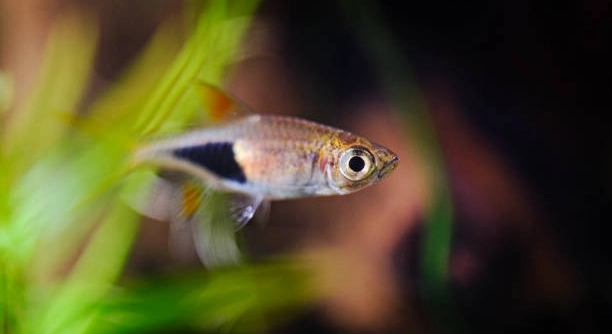
Do your rasboras ever swim in ways that seem odd, unexpected, or just a little different from what you’re used to seeing?
Rasboras can display unusual swimming styles due to environmental stress, illness, genetic traits, or unique behavioral instincts. Observing these patterns closely helps determine whether the behavior is harmless, temporary, or a sign of something that needs attention.
Each swimming style has its own explanation, and learning what they mean can help you better understand your rasbora’s behavior and health.
Side-Swimming with No Signs of Injury
Rasboras may occasionally swim on their sides without any visible injuries. This can look alarming, but sometimes it’s harmless. It may be due to the fish simply adjusting to water currents or resting in a calm spot. Certain rasboras also display this behavior when they feel overfed or mildly bloated. In such cases, their swim bladders can be affected temporarily, causing them to float or tilt in unusual ways. If the behavior stops within a few hours and your rasbora eats and swims normally afterward, there’s often no need to worry. However, if this swimming continues or worsens, it might indicate a deeper issue like a swim bladder disorder or digestive problem. Always observe for other signs, such as changes in appetite, color, or activity level.
Keep your tank clean and monitor feeding amounts to prevent overfeeding, which often leads to mild bloating. These small steps support better swim balance.
If you notice consistent side-swimming, test water quality immediately. High ammonia or nitrate levels may influence swimming behaviors. A partial water change can quickly help stabilize conditions. Also, review their diet—feeding peas occasionally (after removing the skins) can help with digestion. Rasboras with healthy digestion tend to swim normally within a day or two.
Circling in Tight Patterns
Rasboras swimming in tight, fast circles may be reacting to stress. New tank setups, sudden changes in lighting, or unfamiliar tank mates can cause this type of movement.
This repetitive swimming can be a physical reaction to disorientation or overstimulation. In some cases, circling may be linked to poor water conditions, especially if the behavior starts suddenly. Always check parameters like temperature, pH, ammonia, and nitrite levels. High levels of toxins or drastic pH shifts can cause confusion or irritation, triggering odd swimming responses. If the environment checks out fine and the behavior continues, consider whether aggressive tank mates are chasing or bothering the rasbora. Bullying causes nervous swimming patterns and can harm overall health. Lastly, watch for signs of internal infection. A rasbora that circles and also isolates or refuses food could be dealing with a neurological issue. In that case, it’s best to isolate the fish in a clean, quiet tank and observe closely.
Floating at the Surface Without Movement
Rasboras that float near the surface without moving much could be experiencing mild buoyancy issues or reacting to low oxygen levels. This behavior may look peaceful, but it’s important to rule out underlying causes early.
Check the water’s oxygen levels and temperature first. Warmer water holds less oxygen, making fish breathe harder and stay closer to the surface. If your tank lacks surface movement, try adding a gentle bubbler or adjusting the filter output to improve circulation. Also, review recent feeding habits. Overfeeding or a sudden change in diet can affect buoyancy and digestion, leading to motionless floating. Ensure the rasbora isn’t showing signs of labored breathing or fading color. These could point to more serious conditions like gill damage or bacterial infections. Act promptly if you notice those.
Offer a shelled green pea once or twice a week if bloating is suspected. This helps regulate digestion and can support normal swimming. Avoid feeding floating pellets only, as they can increase air intake and worsen buoyancy problems. Spread out feeding times and make sure food sinks gently to encourage healthier habits. Keep a close watch for other changes, especially if the same rasbora continues this behavior after water and feeding adjustments.
Darting in Sudden Spurts
This behavior often appears when rasboras are startled by sudden movement, flashing lights, or tank vibrations. It’s usually brief, but frequent darting may signal discomfort or sensitivity to the environment.
If the darting continues throughout the day, check for flashing lights from nearby electronics, slamming doors, or tank reflections. These things can overstimulate the rasbora’s senses. Next, review the tank’s light schedule. Erratic lighting or a lack of shelter can increase anxiety, leading to darting or hiding. A consistent light-dark cycle and the presence of plants or hiding areas can help your rasbora feel secure. Also, inspect the tank’s glass and surface for reflections, which might cause confusion. If nothing seems off, test your water for toxins or sharp changes in pH. Even slight ammonia traces or a quick pH drop can trigger stressed swimming. Calmer movement should return once the environment feels more stable and predictable to the fish.
Hovering in One Spot for Too Long
This still hovering can happen when rasboras are resting or observing their surroundings. If they appear alert and show no other changes in behavior, it’s often harmless and simply part of their routine.
If hovering becomes excessive or is paired with clamped fins or fading color, it may point to discomfort.
Swimming Upside Down Occasionally
Occasional upside-down swimming often comes from mild swim bladder issues or air intake during feeding. If it only happens after meals and resolves quickly, it’s likely harmless. Feeding sinking food and reducing surface feeding can prevent it. Avoid flake-only diets, which can increase surface gulping and cause imbalance.
Resting Near the Bottom Without Hiding
Some rasboras rest near the substrate during low-activity periods. This is more common in dim lighting or right before lights turn on or off. If they’re alert and responsive when disturbed, it’s generally not a sign of illness.
FAQ
Why is my rasbora swimming in circles nonstop?
Constant circling may be a reaction to environmental stress or disorientation. It can happen in new tanks, during sudden water changes, or when the lighting is too strong. If the behavior doesn’t stop, check for water quality issues or tankmates that may be causing anxiety. Sometimes, subtle aggression from other fish can cause the rasbora to swim nervously in circles. You should also observe their physical condition. If you see any head tilting, twitching, or difficulty navigating, there could be an underlying health problem like a parasitic or neurological issue that may need treatment.
Can rasboras get bored or need stimulation?
Yes, rasboras can show signs of boredom in under-decorated or overstressed tanks. These fish are active by nature and enjoy exploring plants, swimming through open spaces, and interacting with their school. A bare tank or one without variety can cause them to act dull or overly reactive. Adding live plants, driftwood, or gentle water flow can help create a more interesting environment. Also, keeping rasboras in a school of at least six helps them feel secure and engaged. You’ll usually notice more confident and natural swimming behavior when the tank is set up to suit their needs.
What if my rasbora is swimming at an angle?
Swimming at a tilt could indicate a mild swim bladder imbalance. This usually happens after overeating or gulping air at the surface. If the fish is still active, alert, and eating, it often resolves on its own. Try feeding smaller portions and switch to sinking foods for a few days. If the angled swimming continues and your rasbora appears lethargic or bloated, check the water for elevated nitrate levels or try offering a boiled, peeled pea to help clear the digestive system. Always make sure the tank temperature stays steady, as cold water can slow digestion and worsen buoyancy issues.
How can I tell if unusual swimming is caused by poor water quality?
Odd swimming is one of the first signs of poor water conditions. If your rasbora begins darting, hovering, or floating strangely, test for ammonia, nitrite, nitrate, and pH imbalances. A sudden shift in pH or a spike in toxins can irritate the gills and nervous system, leading to erratic swimming. Other signs may include rapid gill movement, faded color, or lack of appetite. Perform a partial water change if any parameter is off, and make sure your filter is working properly. Consistent water checks and routine cleaning are key to preventing most swimming-related issues linked to poor conditions.
Is it normal for rasboras to sleep at the bottom of the tank?
Yes, it can be normal. Rasboras usually rest near the bottom or among plants during nighttime or when the tank lights are off. They tend to stay motionless but will still react if approached. As long as they swim actively during the day, eat well, and show no signs of stress, this resting behavior is normal. However, if you notice bottom-sitting during the day with clamped fins, rapid breathing, or color fading, test your water and check for illness. A sick fish may appear sluggish or detached from the group, even during active hours.
Can diet really affect how my rasbora swims?
Yes, diet plays a big role in swimming behavior. Overfeeding, especially with floating flakes, often leads to bloating and swim bladder issues. This can make rasboras swim off-balance, float awkwardly, or struggle to maintain depth. Feeding a varied diet that includes small live or frozen foods like daphnia or brine shrimp helps maintain better digestion. You can also occasionally include blanched vegetables like zucchini or shelled peas. A well-balanced diet not only supports their health but keeps swimming behavior more natural and energetic. Avoid feeding only once per day—spreading smaller meals helps prevent overeating and reduces swim-related problems.
Final Thoughts
Watching rasboras swim can be calming and enjoyable, but noticing strange movements can cause concern. Unusual swimming does not always mean something serious is wrong. Sometimes, these behaviors are harmless and temporary, especially if your rasbora is still eating well and interacting with the group. Many changes in swimming can come from small things like diet, lighting, or minor stress. Taking time to observe their habits and surroundings often gives clues about what might be affecting their behavior. If one rasbora is acting differently, but the others seem fine, that can also help narrow down the cause.
Still, it’s important to take unusual swimming seriously if it lasts more than a day or two. Long periods of floating, darting, or tilting could point to swim bladder trouble, poor water conditions, or early signs of illness. Testing the water should always be your first step. Slight changes in pH or rising ammonia levels can stress your rasboras and change how they swim. Keeping the tank clean, avoiding sudden changes, and feeding a balanced diet can prevent most issues. Pay attention to feeding habits too. Overfeeding is a common reason behind bloating and swimming problems in rasboras. Offering small, sinking meals and watching how your fish react can make a big difference.
Rasboras are peaceful, active fish that do best when kept in a stable, quiet tank with room to swim. Giving them space, shelter, and good company helps them feel secure. Most odd swimming behaviors can be managed with careful observation and simple changes. When in doubt, isolating the fish in a clean, quiet space gives you a chance to watch for other symptoms without distractions from tankmates. Whether it’s a rasbora circling, hovering, or floating still, the key is to respond calmly and check for clear signs of stress or discomfort. Even small steps—like adjusting feeding, adding plants, or improving filtration—can quickly lead to more natural and healthy swimming. Being patient and attentive goes a long way in helping your rasboras stay comfortable and active in their environment.

Hello,
If you enjoy the content that we create, please consider saying a "Thank You!" by leaving a tip.
Every little bit helps us continue crafting quality advice that supports the health, happiness, and well-being of pets around the world, for pets of all shapes, sizes, and species.
We really appreciate the kindness and support that you show us!