
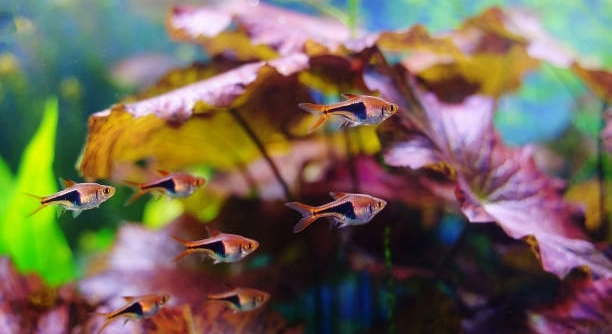
Rasboras are small, active fish often seen swimming in groups. Sometimes, they suddenly gather tightly in circles. This behavior can be surprising to aquarium owners who are used to seeing them spread out or swimming freely.
Rasboras group tightly in circles primarily as a defensive response to perceived threats. This schooling behavior helps protect individuals by confusing predators and making it harder for a single fish to be targeted. It also promotes social cohesion within the group.
Understanding why rasboras behave this way can help fish keepers provide a more comfortable environment. The reasons behind their schooling patterns reveal important aspects of their natural instincts and well-being.
Why Rasboras Form Tight Circles Suddenly
When rasboras group tightly in circles, it is usually a reaction to something in their environment. This could be a sudden movement, a loud noise, or a new object in the tank that startles them. Their instinct is to protect themselves by staying close together. This behavior reduces the chance of any one fish being singled out by a predator. Even if there is no immediate danger in the tank, their natural response is to feel safer when they cluster. It also helps maintain their social bonds, as rasboras are schooling fish. When they move as a group, their synchronized swimming makes it difficult for threats to focus on a single fish. This action may look strange but is very natural and important for their sense of security. Observing this can help aquarium owners understand when their fish feel stressed or uneasy.
This tight grouping is a sign that rasboras are reacting to stress or perceived danger. Recognizing these signs helps maintain a healthy tank environment.
Rasboras are highly sensitive to changes around them. Sudden light changes, unfamiliar fish, or even water quality shifts can cause them to huddle tightly. It is essential to keep their tank stable and free from sudden disturbances. Providing plenty of hiding spots or plants can reduce stress by giving the fish places to retreat. It is also helpful to avoid tapping on the glass or making abrupt movements near the tank. When rasboras feel calm, they swim more freely and spread out more naturally. Watching how they respond to changes can guide you in creating a better habitat for them.
How to Reduce Tight Grouping in Rasboras
Rasboras need a peaceful and stable environment to feel comfortable. Avoid sudden changes and provide plenty of cover to help them relax.
To reduce tight schooling behavior, maintain consistent water parameters and minimize disruptions. Adding plants and decorations creates hiding places that make rasboras feel secure. Keeping the tank in a quiet area, away from heavy foot traffic or loud sounds, also helps. Feeding on a regular schedule can reduce anxiety by providing a routine they trust. Sometimes, introducing tank mates that are calm and non-aggressive encourages rasboras to explore the tank more confidently. Patience is key, as these fish respond gradually to improved conditions. Over time, they will show more natural swimming patterns and less stress-driven clustering. Consistency in care makes a significant difference in their behavior and overall health.
Environmental Triggers of Tight Grouping
Sudden noises, vibrations, or changes in lighting often trigger rasboras to cluster tightly. These fish are sensitive to disturbances, which make them seek safety in numbers. Even minor environmental shifts can cause this behavior.
In a home aquarium, everyday activities like tapping the glass or loud sounds nearby can startle rasboras. Changes in water temperature or quality also stress them, prompting tight schooling. These reactions are survival instincts inherited from their wild habitat, where predators are a constant threat. Ensuring a calm, stable environment helps reduce these stress responses.
Rasboras also respond to unfamiliar tank mates or overcrowding by grouping together more closely. Compatibility and proper stocking levels are crucial. A balanced aquarium setup with peaceful species encourages natural behavior, allowing rasboras to spread out instead of clustering defensively.
Health-Related Causes for Grouping
Health issues can cause rasboras to behave unusually, including tight schooling. Illness, parasites, or poor water conditions can make them feel vulnerable, increasing the need for group protection.
When fish are sick or weakened, they often stick close to one another for security. Monitoring water parameters regularly helps detect problems early. Clean water with appropriate filtration supports their immune systems. If one fish shows signs of distress, the whole group may react by grouping more tightly. Addressing health concerns promptly is essential to avoid further stress or disease spread. Regular observation is key to catching these changes before they worsen.
Social Behavior and Group Dynamics
Rasboras naturally form tight groups as part of their social structure. This behavior helps them communicate and stay coordinated. It also reduces stress when they feel safe within their group.
The size of the school affects how tightly they group. Larger groups tend to spread out more, while smaller ones may cluster closely for security.
Feeding and Grouping Patterns
Rasboras often gather tightly when feeding. This grouping ensures they don’t miss food and can compete fairly. Feeding times influence how they move and interact within the tank.
Light and Activity Levels
Changes in lighting can affect rasbora activity. Bright or flickering lights often cause them to group tightly. Soft, consistent lighting encourages relaxed swimming.
Tank Setup and Its Impact
The layout of the tank plays a role in rasbora behavior. Open spaces may make them feel exposed, prompting tight grouping, while plants and hiding spots encourage natural, dispersed swimming.
FAQ
Why do rasboras suddenly form tight circles in the tank?
Rasboras form tight circles mainly as a defense mechanism. When they sense a threat or feel stressed, grouping closely confuses predators and provides safety. This behavior is natural and common among schooling fish. Environmental changes, loud noises, or sudden movements can trigger this reaction, even in a calm aquarium.
Is tight grouping a sign that my rasboras are unhealthy?
Not always. While tight schooling can indicate stress or illness, it is often a normal response to environmental factors. However, if the behavior continues for long periods or is accompanied by other signs like lethargy, loss of appetite, or visible illness, it’s wise to check water quality and monitor for diseases.
Can overcrowding cause rasboras to group tightly?
Yes, overcrowding often leads to stress, causing rasboras to cluster for comfort and protection. Overcrowded tanks reduce swimming space and increase competition for resources. Maintaining an appropriate number of fish based on tank size helps reduce this behavior and promotes natural movement.
How does tank setup influence tight schooling?
A tank with few plants or hiding spots can make rasboras feel exposed, increasing their tendency to cluster tightly. Adding plants, decorations, or caves gives them places to retreat, helping them feel secure. A well-decorated tank encourages relaxed swimming and reduces stress-driven grouping.
Do lighting conditions affect rasbora behavior?
Yes, bright or flickering lights often make rasboras group more closely. They prefer softer, consistent lighting that mimics natural environments. Adjusting light intensity and duration can help reduce tight grouping by creating a calmer atmosphere.
Will changing tank mates impact rasbora grouping?
Introducing aggressive or fast-moving fish can stress rasboras, causing them to cluster tightly for protection. Choosing peaceful tank mates that don’t threaten rasboras helps maintain stable social behavior and reduces defensive schooling.
How can I tell if my rasboras are stressed?
Signs of stress include tight schooling for long periods, erratic swimming, hiding, loss of color, and reduced feeding. Monitoring behavior regularly and keeping water parameters stable will help prevent stress and keep rasboras healthy.
What water parameters should I maintain for rasboras?
Rasboras thrive in water with a temperature between 72–79°F (22–26°C), pH of 6.5–7.5, and soft to moderately hard water. Regular water testing and partial changes help maintain these levels, reducing stress and abnormal behavior like tight grouping.
Can feeding routines affect tight grouping?
Yes, feeding times often cause rasboras to gather closely as they compete for food. Consistent feeding schedules and spreading food evenly across the tank reduce competition and encourage more natural swimming patterns.
How long do rasboras usually stay in tight groups when startled?
Typically, rasboras cluster tightly for a few minutes until they feel safe again. Prolonged tight grouping may indicate ongoing stress or environmental problems needing attention.
Is tight schooling more common in certain rasbora species?
While most rasboras display schooling behavior, some species may cluster more tightly due to their size or natural habitat. Researching the specific species you keep helps understand their typical behavior and needs.
What should I do if tight grouping becomes constant?
Check water quality immediately, look for signs of illness, and review tank conditions. Improve hiding spots and reduce disturbances near the tank. If necessary, consult a specialist for disease diagnosis or behavior advice.
Final Thoughts
Rasboras grouping tightly in circles is a natural behavior that reflects their instincts to stay safe. This reaction is common when they feel threatened or stressed. Understanding this behavior helps in recognizing when your fish are simply following their instincts or when they might need attention due to environmental or health issues. Observing their patterns over time gives insight into their comfort level and overall well-being.
Creating a calm and stable environment is key to helping rasboras feel secure. Avoiding sudden changes in lighting, loud noises, or tank disturbances reduces their need to cluster defensively. Providing plants, hiding spots, and enough swimming space encourages more natural and relaxed movement. Keeping the water clean and maintaining proper temperature and pH levels also contribute to their health and behavior. Paying close attention to these factors allows you to reduce stress and promote a peaceful tank environment.
It is important to remember that tight grouping is not always a problem, but a sign of how rasboras communicate and protect themselves. If the behavior persists or is paired with other worrying signs like loss of appetite or sluggishness, it may signal stress or illness. In those cases, checking water quality and consulting with a knowledgeable source can help. Overall, by understanding and responding to the reasons behind their tight schooling, you can support the well-being and happiness of your rasboras.

Hello,
If you enjoy the content that we create, please consider saying a "Thank You!" by leaving a tip.
Every little bit helps us continue crafting quality advice that supports the health, happiness, and well-being of pets around the world, for pets of all shapes, sizes, and species.
We really appreciate the kindness and support that you show us!