
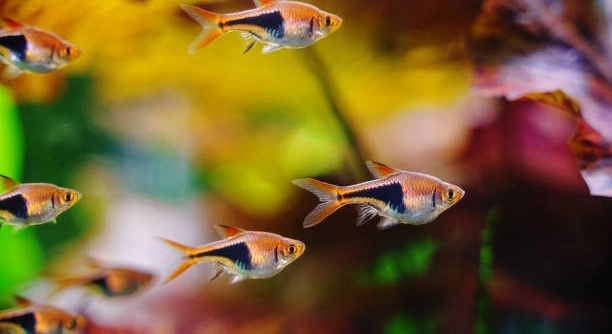
Rasbora are small, peaceful fish often kept in home aquariums. Observing their behavior can reveal when they feel calm and secure in their environment. Recognizing these signs helps owners maintain a healthy, stress-free tank.
Seven visual clues indicate that rasbora are relaxed. These include steady swimming patterns, vibrant coloration, smooth fin movement, regular breathing rates, group cohesion, responsive behavior to surroundings, and a lack of hiding or erratic activity.
Identifying these signs will improve your ability to care for rasbora, ensuring their well-being and promoting a balanced aquarium environment.
Steady Swimming Patterns
Rasbora that are relaxed tend to swim smoothly and steadily throughout the aquarium. Their movements are calm, without sudden darting or frantic bursts. When the fish swim together in a consistent, gentle manner, it shows they feel safe and comfortable in their surroundings. Erratic swimming often signals stress or discomfort, but steady swimming reflects ease. Observing this behavior regularly helps identify changes early, which can be important for maintaining a healthy environment. When rasbora move confidently, it usually means the water conditions, temperature, and tank setup suit their needs well. Consistent, peaceful swimming is one of the easiest signs to notice even for new aquarium owners.
Steady swimming is a reliable indicator of relaxation, showing the fish are adapting well to their habitat and not under threat.
Maintaining steady swimming requires proper tank conditions and minimal disruptions. Regular water changes, stable temperature, and a calm environment encourage this natural behavior. Avoiding loud noises or sudden movements around the tank helps keep rasbora relaxed and swimming smoothly.
Vibrant Coloration
Rasbora display brighter, more vivid colors when they are relaxed and healthy. Dull or faded colors often suggest stress or illness. The brightness in their scales is a clear visual cue of their overall well-being. Healthy rasbora in a comfortable environment will shine with rich hues and distinct patterns. Color vibrancy can also fluctuate with lighting, diet, and tank mates, but consistent dullness usually points to underlying issues. This visual sign is helpful for regular monitoring, especially since it is easy to see without disturbing the fish.
Vibrant colors indicate strong health and comfort, reinforcing the importance of a balanced environment.
To support vibrant coloration, provide a nutritious diet rich in natural pigments, and maintain stable water conditions. Minimize stress factors such as overcrowding or aggressive tank mates. Good lighting enhances their colors but avoid excessive brightness that may cause stress. A well-kept aquarium promotes this visible sign of relaxation, contributing to the enjoyment of watching your rasbora thrive.
Smooth Fin Movement
Relaxed rasbora have fins that move gently and without stiffness. Their fins are fully extended, not clamped against their bodies. This shows comfort and good health, as stressed fish often keep fins tight or damaged.
Smooth fin movement indicates the fish are not experiencing irritation or illness. When rasbora swim, their dorsal, pectoral, and tail fins flow naturally with their body movements. Clamped fins or torn edges may signal poor water quality or aggression from other fish. Observing fins regularly helps catch problems early, allowing for timely adjustments in tank care. Healthy fins are a clear sign of a stress-free fish.
Maintaining smooth fins requires clean water, balanced nutrition, and peaceful tank mates. Avoid overcrowding, as it can cause fin damage. Regular observation of fin condition can prevent serious health issues before they develop.
Regular Breathing Rates
Rasbora show relaxation through steady and calm breathing. Rapid or heavy gill movement usually signals stress or poor water quality. Regular breathing means oxygen levels and tank conditions are appropriate.
Consistent breathing rates indicate the fish are comfortable in their environment. When rasbora breathe normally, their gill covers move rhythmically without strain. Sudden changes, such as rapid gill movement or gasping at the surface, often point to oxygen deficiency or ammonia spikes. Monitoring breathing patterns can help identify environmental problems quickly, preventing health decline. Relaxed fish maintain a steady rate that matches their activity level without signs of distress.
Ensuring good aeration and filtration supports regular breathing. Avoid overfeeding, which can pollute the water and affect oxygen levels. A balanced setup contributes to keeping rasbora calm and healthy.
Group Cohesion
Rasbora feel relaxed when they swim closely together in groups. Tight, coordinated schooling shows they trust their environment and each other.
When rasbora spread out or isolate, it can indicate stress or discomfort. Group cohesion helps reduce anxiety and provides a sense of security.
Responsive Behavior to Surroundings
Relaxed rasbora respond calmly to changes in their environment. They may swim closer to the glass when people approach but do not dart away quickly. This balanced reaction reflects comfort and curiosity without fear. Sudden, panicked responses often show stress or threats. Observing how your fish react helps gauge their well-being. Gentle movements and mild interest in the surroundings are positive signs. Consistent responses over time indicate the fish are acclimated and feel safe.
Lack of Hiding
When rasbora avoid hiding and stay visible, it signals relaxation. Constant hiding often means stress or illness.
How can I tell if my rasbora is stressed or relaxed?
A relaxed rasbora swims steadily, shows vibrant colors, and moves fins smoothly. It breathes evenly, stays in groups, and reacts calmly to surroundings. Stress signs include darting, clamped fins, pale colors, rapid breathing, isolation, and excessive hiding.
Why is steady swimming important for rasbora health?
Steady swimming reflects comfort and good water conditions. Erratic or frantic swimming may mean poor water quality, illness, or stress from tank mates. Observing swimming helps catch problems early and maintain a balanced environment for your fish.
What causes dull coloration in rasbora?
Dull colors can result from stress, illness, poor diet, or unsuitable tank conditions. Lack of proper nutrition, inadequate lighting, or aggressive neighbors can all affect color vibrancy. Addressing these factors improves their appearance and well-being.
How often should I check my rasbora’s fins?
Check fins weekly for damage or clamping. Healthy fins are fully extended and free of tears or discoloration. Damaged or clamped fins can indicate water quality problems or fin-nipping by other fish. Early detection prevents worsening issues.
What does rapid breathing mean in rasbora?
Rapid gill movement usually signals low oxygen levels or poor water quality. Overfeeding, overcrowding, or lack of aeration may cause this. Improving filtration, aeration, and feeding practices can help restore normal breathing rates.
Is it normal for rasbora to hide sometimes?
Yes, occasional hiding is normal, especially during rest or if startled. However, constant hiding suggests stress, illness, or poor tank conditions. Ensuring proper tank setup, suitable lighting, and peaceful tank mates reduces hiding behavior.
How important is group cohesion for rasbora?
Rasbora are schooling fish that feel safer in groups. Group cohesion reduces anxiety and mimics their natural behavior. Keep at least six together to support social needs and encourage relaxed behavior.
What tank conditions help keep rasbora relaxed?
Stable temperature between 72-79°F, clean water with regular changes, gentle filtration, and low lighting support relaxation. Providing plants and hiding spots also creates a secure environment.
Can tank mates affect rasbora relaxation?
Yes, aggressive or overly active tank mates can stress rasbora, causing erratic swimming and hiding. Choosing peaceful fish that share similar water requirements helps maintain calm behavior.
How can I improve my rasbora’s environment for better well-being?
Feed a balanced diet, maintain clean water, keep proper temperature, and avoid overcrowding. Add plants and décor to mimic natural habitat. Monitor fish behavior regularly to catch stress signs early.
The visual signs of a relaxed rasbora provide important clues about their health and comfort. Observing steady swimming, vibrant coloration, and smooth fin movement helps confirm that the fish feel safe in their environment. When these indicators are present, it shows that the water quality, temperature, and tank setup meet their needs. Paying attention to how rasbora breathe and interact with their surroundings can also give insight into their well-being. Recognizing these behaviors allows owners to maintain proper care and make adjustments when necessary.
Keeping rasbora relaxed involves maintaining stable tank conditions and reducing stress factors. Regular water changes, proper filtration, and consistent temperature are key to their health. Providing a peaceful environment with compatible tank mates also supports calm behavior. Diet plays a role in their coloration and energy levels, so feeding them balanced food is important. Ensuring that the fish have enough space to swim freely and places to feel secure encourages natural, relaxed actions. These simple steps help prevent illness and support the overall happiness of the fish.
In summary, watching for clear signs of relaxation in rasbora improves the experience of caring for them. Understanding their behavior helps identify potential problems before they become serious. By maintaining a clean and stable aquarium, feeding properly, and observing daily habits, owners can promote a peaceful environment for their rasbora. This leads to healthier, more vibrant fish that thrive in their home. Focusing on these details benefits both the fish and the aquarium keeper.

Hello,
If you enjoy the content that we create, please consider saying a "Thank You!" by leaving a tip.
Every little bit helps us continue crafting quality advice that supports the health, happiness, and well-being of pets around the world, for pets of all shapes, sizes, and species.
We really appreciate the kindness and support that you show us!