
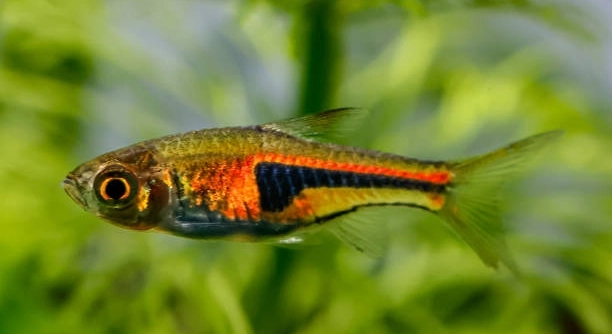
Do your rasboras sometimes swim straight into the tank walls, leaving you unsure about what might be going wrong in their setup?
Rasboras may bump into tank walls due to stress, poor lighting, reflective surfaces, or health issues affecting their vision or spatial awareness. Identifying and adjusting environmental factors can significantly reduce this behavior and support their well-being.
Understanding these causes can help you create a safer, calmer environment that keeps your rasboras active and swimming with ease.
Common Reasons Rasboras Bump Into Tank Walls
Rasboras are active, social fish, but when they begin swimming into tank walls, it’s usually a sign that something is off in their environment. One of the main reasons is lighting. Bright lights or poor tank placement near windows can create reflections on the glass, making rasboras think there’s more space than there actually is. Stress from sudden movement, loud noise, or aggressive tank mates may also lead to erratic swimming. Vision problems, though less common, can cause fish to misjudge distances. Lastly, water quality plays a huge role in their behavior. If ammonia, nitrite, or pH levels are imbalanced, rasboras can become disoriented and more prone to bumping into objects.
Some rasboras may act this way temporarily after a water change or tank rearrangement, but it should stop once they adjust.
If the issue continues, review lighting, decor placement, and check if anything is casting strong reflections across the tank walls.
How Tank Setup Impacts Their Behavior
Tank lighting, decoration, and placement all affect how rasboras move around. Bright lights reflecting on the glass can cause confusion, while too little lighting can make them skittish.
A tank with too much empty space, minimal plants, or reflective surfaces can cause discomfort for rasboras. They thrive in environments that mimic their natural habitats, where plants and cover offer them a sense of safety. Use dark backgrounds and avoid placing the tank in direct sunlight to minimize reflections. Floating plants can help diffuse light and make them feel more secure. Sharp or shiny decor should be replaced with soft-edged, natural-looking items. Also, ensure your filter’s flow isn’t too strong—rasboras are small and prefer gentle currents. Overcrowding should be avoided, but they do best in schools of six or more. A calm, stable environment with consistent lighting, minimal stress, and proper decor will support healthier, more confident swimming patterns.
Stress and Its Effects on Rasboras
Stress can quickly affect a rasbora’s behavior, often making them dart around or crash into tank walls. Loud noises, sudden movement near the tank, or being kept alone can all trigger this kind of reaction.
When rasboras feel unsafe or out of place, they become more alert and reactive. A poorly cycled tank, aggressive fish, or inconsistent lighting may overwhelm them, causing them to swim erratically. Even small changes, like rearranging tank decorations or adjusting water temperature too quickly, can unsettle them. These fish do best in calm, predictable environments where they can settle into a routine. Keeping their space quiet, clean, and steady helps a lot. Schooling is also important—rasboras need a group to feel secure. Without companions, they often panic and display unnatural swimming behavior. Ensuring they’re part of a proper school with peaceful tank mates significantly improves their overall behavior and reduces wall-bumping incidents.
Give them time to settle after any changes. Rushing things usually leads to more stress and erratic behavior.
Possible Health Issues to Consider
In rare cases, constant bumping can be linked to internal issues like swim bladder problems or impaired vision. If a rasbora struggles to swim straight, has clamped fins, or floats oddly, it’s likely more than just environmental.
Vision problems, though not common, may happen due to infections or injuries. If your rasbora consistently misjudges distances, it’s worth observing closely and isolating them temporarily. Internal parasites or ammonia poisoning can also affect coordination. Make sure to monitor for signs like discoloration, bloating, or sluggishness. Running regular water tests helps rule out chemical imbalances that may contribute to health problems. If symptoms persist, it’s worth consulting an aquatic vet or a reputable fish care specialist. In the meantime, gentle lighting and calm surroundings can reduce added stress on the affected fish. Addressing health early gives rasboras a better chance of recovering and moving comfortably in their tank again.
Adjusting the Tank Environment
Start by reducing harsh lighting and placing a dark background behind the tank to cut down on reflections. Adding floating plants can help filter light and provide a sense of safety.
Rearrange decor to include more cover like plants or caves, and avoid placing shiny or clear decorations near the glass.
When to Monitor Closely
If a rasbora continues bumping into walls even after environmental changes, observe its behavior closely. Look for signs like erratic swimming, poor balance, or isolation from the group. These patterns might suggest something more serious. If several fish are affected, test the water immediately for ammonia or nitrite spikes. Watch their feeding habits too—loss of appetite often signals stress or illness. Keep lighting consistent, avoid sudden tank disruptions, and check if any tank mates are bullying them. Sometimes, just giving them a quieter environment for a few days can make a noticeable difference. If nothing changes, consider isolating the affected fish to see if symptoms improve outside the community tank.
Supporting Long-Term Comfort
Stick to a routine that includes consistent feeding, regular tank cleaning, and stable water conditions. Rasboras respond well to predictability.
FAQ
Why is only one rasbora bumping into the tank walls while the others seem fine?
This could be a sign that the individual fish is experiencing stress or health problems that the others are not. Sometimes a single rasbora may feel insecure if it’s isolated from the group or is being subtly bullied by tank mates. It may also have vision issues, internal parasites, or problems with its swim bladder, which affect its ability to move properly. Try separating it in a breeder box or small hospital tank to observe it more closely. If it improves outside the group, stress or social factors may be involved.
Can reflections really confuse rasboras that much?
Yes, reflections can cause real confusion for rasboras. Their eyes are sensitive, and they may interpret their reflection as another fish or as open space. This is especially common in tanks with clear sides, light-colored gravel, or strong lighting. When a rasbora swims toward a reflection, it might speed up and hit the glass before realizing there’s no exit. Using a dark background, adjusting light angles, and breaking up open spaces with plants or décor helps cut down on reflections and creates a safer, more natural setting for them.
How long does it take for rasboras to settle in after moving to a new tank?
It often takes rasboras a few days to a week to fully adjust to a new tank environment. During that time, they may hide more, swim erratically, or seem unusually timid. That’s normal. The key is to avoid making too many changes all at once. Keep the lighting gentle, avoid loud noises around the tank, and ensure the water conditions are stable. Feeding them lightly and consistently can also help them feel safe. Once they learn the boundaries of their space and feel secure with their surroundings, their behavior typically returns to normal.
Are rasboras more sensitive to stress than other fish?
Rasboras are generally peaceful and calm, but yes, they can be sensitive to stress—especially when housed alone or in small groups. They’re schooling fish and depend on a group to feel secure. Being isolated or kept with aggressive tank mates can make them skittish. Unstable water parameters, strong filter currents, and sudden lighting changes can also unsettle them. While other fish might tolerate more disruption, rasboras prefer a steady, quiet, and stable environment. Watching for signs early and maintaining consistent care makes a big difference in keeping them healthy and active.
Can poor water quality make them bump into the glass?
Yes, poor water quality is one of the most common causes of abnormal swimming. Elevated ammonia or nitrite levels can cause confusion, reduced coordination, and stress. Fish may swim near the surface, dart suddenly, or collide with the tank walls. Rasboras are especially sensitive to water changes, so even small spikes can affect their behavior. Test the water weekly and after any unusual activity. Keep ammonia and nitrite at 0 ppm, and make sure the nitrate level stays below 20–30 ppm. Use a good filter and don’t overfeed, as decaying food contributes to chemical imbalances.
Should I be worried if they only bump into walls after lights turn on?
This usually means the lights are too bright or are being turned on suddenly. Rasboras don’t have eyelids, so their eyes are sensitive to rapid lighting changes. If lights turn on instantly, they may become startled and swim frantically, bumping into glass or décor. Instead, try using a dim light before the main light or adjusting the timer to come on gradually. Adding floating plants can also help by softening the brightness and reducing shock. If the behavior only happens right after lights come on, a lighting adjustment is likely all that’s needed.
Do they stop bumping once the tank is fixed?
In most cases, yes. Once reflections are minimized, lighting is adjusted, and the environment feels more stable, rasboras usually stop swimming into walls. If the behavior continues, it may be related to a health issue or ongoing stress. Watch their movement, color, appetite, and how well they interact with other fish. Some rasboras need more time than others to feel secure. Make small adjustments and give them a few days before making more changes. Consistency is key. Most rasboras bounce back once their space feels predictable, calm, and well-balanced.
Final Thoughts
Rasboras are gentle fish that usually swim with ease and comfort in a calm tank. When they begin bumping into tank walls, it’s a clear sign that something may be affecting their behavior. While it can seem worrying at first, there are many simple reasons behind it. Most causes are related to their environment—like bright lighting, strong reflections, or not enough hiding spots. Stress also plays a big part. Changes to their routine, noise around the tank, or poor water quality can lead to confusion or fast swimming. When these issues are addressed early, rasboras often return to normal behavior quickly.
A well-set-up tank makes a big difference. These fish feel more secure in soft lighting, with plants, and in groups of at least six. Clear backgrounds, bare tanks, or sudden changes can make them nervous and act out of character. Taking time to reduce reflections, soften lights, and add calm spaces in the tank can help a lot. Also, watch how they swim together. If one fish is always separated, bumping into glass, or moving oddly, it may need extra attention or medical care. Keep in mind that rasboras are small and sensitive—they depend on gentle, steady conditions to thrive.
Helping them feel at ease doesn’t require fancy tools or big changes. Regular water checks, gentle lighting, a steady routine, and keeping the tank clean go a long way. Observing your rasboras daily helps you catch small changes early, before they turn into bigger problems. If you notice them darting or bumping into the glass often, start by checking their surroundings and water conditions. Most of the time, small fixes lead to big improvements. Creating a safe, peaceful space helps rasboras swim naturally and stay healthy in the long run. It’s all about balance and consistency—giving them what they need without overwhelming their space.

Hello,
If you enjoy the content that we create, please consider saying a "Thank You!" by leaving a tip.
Every little bit helps us continue crafting quality advice that supports the health, happiness, and well-being of pets around the world, for pets of all shapes, sizes, and species.
We really appreciate the kindness and support that you show us!