
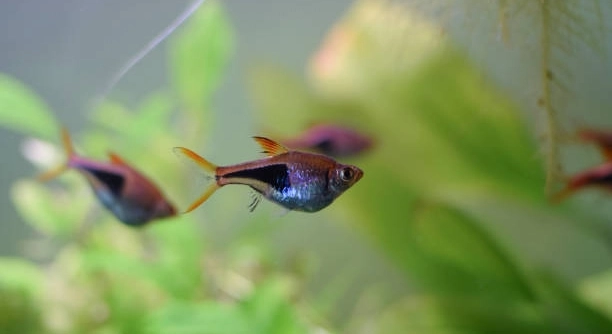
Rasboras are small freshwater fish often found in home aquariums. They interact with their surroundings in many subtle ways. These behaviors help them survive and thrive in their watery world.
Rasboras test their environment through various actions like exploring new spaces, sensing water changes, and responding to other creatures. These tests allow them to assess safety, food availability, and habitat conditions efficiently.
Understanding these behaviors sheds light on how rasboras adapt and stay healthy in their tanks. This knowledge can improve care and create a better environment for these lively fish.
Exploring New Spaces
Rasboras are naturally curious and often swim around their tanks to explore. This behavior helps them find safe spots, food sources, or places to hide. When introduced to a new environment, they cautiously check the area by moving slowly and watching for changes. This cautious movement allows them to avoid potential threats like predators or sudden water disturbances. They often swim in groups, which gives them confidence and safety. Exploring together helps them stay alert while sharing information about the environment. This behavior is essential for their survival, especially in unfamiliar surroundings.
Exploring new spaces helps rasboras stay aware and safe. It’s a natural way for them to learn about their habitat.
Watching your rasboras explore can reveal how comfortable they feel. If they move freely and confidently, it means the environment suits them. If they hide too much or seem hesitant, it could indicate stress or poor water conditions. Providing enough plants, decorations, and open swimming areas encourages healthy exploration. Regularly changing or adding new elements in the tank can also stimulate this behavior, keeping your rasboras active and mentally engaged. Observing these little tests helps you understand their needs and improve their care.
Sensing Water Changes
Rasboras react quickly to changes in water temperature, clarity, or chemistry. They can detect even slight shifts that humans might miss. When water quality drops or temperature changes suddenly, rasboras may swim less or seek shelter. This response helps protect them from harmful conditions. They also test the water by nibbling on surfaces or plants to check if it is safe for feeding. These behaviors are important signs of how they feel about their environment. Proper maintenance of water quality keeps them calm and healthy.
Water changes can cause stress or alertness in rasboras.
Regular water testing and gradual adjustments are key to maintaining stable conditions. Sudden changes can lead to illness or behavioral issues. By understanding how rasboras sense their water environment, you can take better care of them. Keeping water clean, well-filtered, and at the right temperature allows your fish to thrive. This attentiveness reduces stress and promotes natural behavior. Observing their reactions to water changes offers insight into their well-being and helps prevent potential problems. Maintaining a steady environment is one of the best ways to ensure your rasboras live a long and healthy life.
Reacting to New Objects
Rasboras quickly notice any new objects in their tank. They swim around cautiously, trying to understand if the item is safe. Sometimes they nip or bump gently to test it. This helps them avoid danger.
When a new decoration or plant is added, rasboras will circle it repeatedly. This behavior shows their way of inspecting unfamiliar things. They may hide nearby at first but gradually come closer as they feel more comfortable. If the object affects water flow or light, they pay extra attention. Over time, rasboras decide if the new addition is good for their space.
This careful approach helps rasboras avoid potential harm. It also shows their intelligence and adaptability to changes in their environment.
Interacting with Tank Mates
Rasboras use subtle movements to test other fish in their tank. They observe behavior and maintain distance until they feel safe. This helps avoid conflicts and establish peace.
If a new fish is introduced, rasboras swim around it to gauge its temperament. They watch for signs of aggression or friendliness. Sometimes they swim in small groups to feel safer. When tank mates behave calmly, rasboras become more relaxed and social. If threats arise, they may dart away or hide. This interaction process ensures a balanced community in the tank and helps rasboras avoid stress or injury.
Testing Water Currents
Rasboras often swim into different water currents to understand their strength and direction. This helps them find comfortable areas for resting and feeding.
They adjust their swimming patterns based on current changes. Strong currents may make them avoid certain spots, while gentle flows attract them for exploration.
Checking for Food
Rasboras use their senses to test the water for signs of food. They nibble on small particles and plants to see if something edible is nearby.
This behavior is important for their survival. It helps them find hidden food sources and stay well-nourished in their environment.
Responding to Light Changes
Rasboras quickly react to shifts in light intensity. They may move to shaded areas or become more active depending on brightness. This helps them avoid stress and maintain comfort in their habitat.
FAQ
Why do rasboras keep swimming in circles?
Rasboras often swim in circles as a way to test their environment. This behavior helps them explore new areas safely and check the boundaries of their territory. Circling also allows them to stay close to their group, which provides security. Sometimes, repeated circling may indicate they are stressed or uncomfortable, possibly due to water quality or tank conditions. Watching this behavior can help you understand their mood and adjust their environment to make them feel safer and more at ease.
How do rasboras react to sudden changes in water temperature?
Rasboras are sensitive to temperature shifts and may respond by reducing movement or hiding. Sudden drops or rises can stress them and cause erratic swimming or lethargy. They test the water carefully before exploring again. It’s important to keep the temperature stable to avoid harming them. Using a reliable heater and thermometer helps maintain consistent warmth, which supports their health and encourages natural behavior.
Can rasboras detect harmful chemicals in the water?
Yes, rasboras can sense chemicals like chlorine, ammonia, or nitrate in the water. When these substances are present, they may stop eating, hide more often, or swim erratically. Their behavior acts as an early warning system for poor water quality. Regular water testing and proper filtration reduce the risk of harmful chemicals building up. Watching for sudden changes in rasbora behavior can alert you to water issues before they become serious.
Why do rasboras sometimes nip at each other?
Nipping can happen as a way to test social boundaries or show mild dominance. Rasboras use this behavior to communicate and establish their place in the group. Usually, it doesn’t lead to injury but should be monitored. If nipping becomes aggressive or frequent, it might mean overcrowding, stress, or incompatible tank mates. Providing enough space and hiding spots reduces tension and keeps social interactions calm.
How do rasboras respond to new tank decorations?
When new decorations are added, rasboras examine them carefully. They swim around the object, nibble on it lightly, and watch for changes it causes in water flow or light. This testing helps them decide if the new addition is safe. Gradual introduction of new items can reduce stress and help them adapt quickly. Observing their behavior after changes can guide you in creating a comfortable tank environment.
What does it mean when rasboras suddenly stop eating?
A sudden loss of appetite often signals stress or poor water quality. Changes in temperature, new tank mates, or illness can also cause this behavior. Rasboras test their environment carefully before deciding to eat. Checking water parameters and observing their interactions can help identify the cause. Prompt attention and care usually restore normal feeding habits.
Do rasboras prefer certain types of plants or hiding spots?
Rasboras favor plants and hiding places that mimic their natural habitat. They test these areas by swimming slowly nearby or resting close for protection. Dense plants, smooth surfaces, and shaded spots help them feel secure. Providing a variety of plants encourages natural exploration and reduces stress. Watching where they spend the most time can guide tank setup to suit their needs.
How long do rasboras usually test a new environment?
The time rasboras spend testing a new environment varies but often lasts several days to a week. During this period, they move cautiously, observe, and interact with the space before settling in. Patience is important; rushing changes or frequent disturbances can increase stress. Giving them time to adjust supports their health and encourages natural behaviors.
Can rasboras sense predators or threats outside the tank?
Rasboras are sensitive to vibrations and shadows that may signal danger, even from outside the tank. They test these signals by hiding or changing swimming patterns. This heightened awareness helps them stay alert and safe. Positioning the tank away from heavy foot traffic or sudden noises reduces stress and creates a calmer environment for them.
What should I do if my rasboras seem overly cautious or fearful?
If rasboras act fearful, review water quality, tank setup, and lighting. Overcrowding, aggressive tank mates, or sudden changes can cause anxiety. Give them hiding spots and reduce disturbances around the tank. Gradually introduce changes and monitor their reactions. Providing a stable, peaceful environment helps rasboras build confidence and feel secure.
Rasboras are small fish that use many ways to test and understand their environment. Their behaviors, like exploring new spaces, sensing water changes, and reacting to tank mates, help them stay safe and healthy. Watching how they interact with their surroundings gives us clues about their comfort and well-being. These natural actions are important because they help rasboras avoid danger, find food, and adapt to changes in their tank. Knowing this can help anyone caring for rasboras provide a better home for them.
It is important to keep their environment stable and clean because rasboras are sensitive to sudden changes. Water quality, temperature, and the presence of other fish all affect how they behave. When rasboras test new objects or water conditions, they show us when something might be wrong. Paying attention to these signals means we can fix problems early, before the fish become stressed or sick. Providing plenty of plants, hiding spots, and gentle water currents makes the tank more comfortable and encourages natural behaviors.
Taking care of rasboras means understanding their need to test their environment regularly. This ongoing process is how they stay alert and healthy. By observing their behavior, adjusting the tank as needed, and keeping water conditions stable, we can help them live longer and happier lives. Simple actions like adding new decorations slowly, avoiding sudden water changes, and watching how they react to tank mates all contribute to a peaceful aquarium. These small efforts go a long way in supporting the well-being of these lively little fish.

Hello,
If you enjoy the content that we create, please consider saying a "Thank You!" by leaving a tip.
Every little bit helps us continue crafting quality advice that supports the health, happiness, and well-being of pets around the world, for pets of all shapes, sizes, and species.
We really appreciate the kindness and support that you show us!