
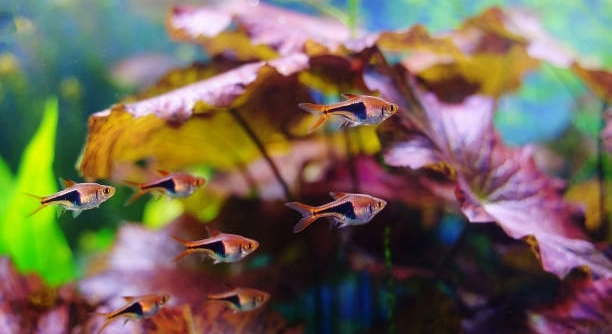
Rasboras are popular aquarium fish known for their peaceful nature and bright colors. Sometimes, these small fish may suddenly sink or lose buoyancy, which can concern many fishkeepers. Understanding why this happens helps maintain a healthy tank environment.
The most common reasons for rasboras suddenly sinking include swim bladder disorders, water quality issues, or sudden changes in diet or temperature. These factors affect their buoyancy control, causing them to lose balance and sink to the bottom unexpectedly.
Knowing the causes behind this behavior can help you act promptly and keep your rasboras healthy and comfortable in their aquatic home.
Causes of Swim Bladder Issues in Rasboras
Swim bladder problems are a common reason rasboras sink suddenly. The swim bladder is an organ that helps fish control their buoyancy. When it malfunctions, fish struggle to stay upright or swim properly. Several factors can lead to swim bladder disorders. Overfeeding is one of the main causes; it can cause constipation, putting pressure on the swim bladder. Poor water quality also stresses fish, weakening their health and affecting their swim bladder. Sudden changes in water temperature or pH levels may shock the fish, disturbing their balance. Infections or parasites can damage the swim bladder directly or indirectly by weakening the fish’s immune system. Recognizing early signs such as unusual swimming patterns or floating upside down helps prevent serious complications. Providing a balanced diet, maintaining stable tank conditions, and avoiding overcrowding can reduce the risk of swim bladder issues in rasboras.
Swim bladder problems require quick attention. Ignoring symptoms can worsen the condition and may lead to death.
Regular tank maintenance and proper feeding routines are essential for preventing buoyancy problems. Keeping the environment stable supports your fish’s overall well-being and helps avoid common swim bladder complications.
Water Quality and Environmental Factors
Water quality is crucial for rasboras’ health and buoyancy. Poor conditions stress the fish and disrupt their bodily functions. Ammonia, nitrite, and nitrate levels must be monitored regularly. High concentrations of these chemicals can cause physical distress and illness. Low oxygen levels, caused by poor aeration or overstocking, also affect buoyancy and energy levels. Sudden changes in water parameters, such as temperature or pH shifts, can shock rasboras, leading to erratic swimming or sinking. Proper filtration, regular water changes, and stable temperature maintenance help create a safe habitat. Testing the water weekly ensures harmful substances stay in check. Besides chemical balance, tank cleanliness matters. Uneaten food and waste build-up can degrade water quality and increase disease risk. Creating a balanced environment prevents stress and supports healthy swim bladder function.
Even minor neglect in tank care can affect fish health quickly.
Consistent water management protects your rasboras and maintains their natural swimming behavior, preventing sudden sinking episodes.
Diet and Feeding Habits
Overfeeding can cause swim bladder issues by leading to constipation in rasboras. Feeding too much or offering inappropriate foods disrupts their digestion and buoyancy.
Feeding small portions once or twice daily helps prevent digestive problems. Including high-quality, varied foods like flakes, frozen daphnia, or brine shrimp supports their health. Avoid feeding large amounts of dry food or items that expand in the stomach, such as dry peas or bread. Sometimes, soaking pellets before feeding can reduce the risk of bloating. Monitoring how much your fish eat and removing uneaten food promptly prevents water quality issues.
Offering occasional fasting days can help keep their digestive system clear. Balanced feeding routines ensure better buoyancy control and overall health, reducing the chance of sinking problems in rasboras.
Temperature and Stress Factors
Sudden temperature changes stress rasboras and affect their swim bladder. Maintaining a stable temperature between 72-79°F (22-26°C) is crucial for their well-being. Avoid placing the tank near drafts or heat sources that cause fluctuations.
Stress from overcrowding or aggressive tank mates also impacts buoyancy. Providing enough space and peaceful companions minimizes stress. Regularly checking water parameters and using a reliable heater keeps the environment consistent. Stress weakens the immune system, making fish more prone to illness, including swim bladder disorders. Ensuring calm conditions supports natural swimming behavior and prevents sudden sinking episodes in rasboras.
Common Diseases Affecting Rasbora Buoyancy
Diseases like bacterial infections or parasites can impact rasbora buoyancy. These health issues often cause swelling or damage to the swim bladder, leading to sinking behavior.
Early detection and treatment are essential. Quarantining affected fish and using appropriate medications can help prevent the spread and improve recovery chances.
Preventing Buoyancy Problems
Maintaining clean water, feeding appropriately, and controlling tank conditions are key to preventing buoyancy problems. Regular monitoring helps catch issues early before they worsen.
A well-maintained environment supports rasboras’ health and keeps their swimming natural and balanced, reducing the risk of sudden sinking.
When to Seek Expert Help
If buoyancy problems persist despite care, consulting a veterinarian or aquatic specialist is important. They can diagnose underlying issues and recommend proper treatment.
Early professional intervention improves outcomes and ensures the long-term health of your rasboras.
FAQ
Why do my rasboras suddenly sink to the bottom?
Sudden sinking is often due to swim bladder problems, water quality issues, or stress. Swim bladder disorders affect their ability to stay afloat. Poor water conditions, such as high ammonia or nitrite levels, can cause physical distress. Stress from sudden temperature changes or aggressive tank mates may also lead to this behavior.
How can I tell if my rasbora has a swim bladder disorder?
Signs include difficulty swimming, floating upside down, or resting on the bottom. They may struggle to maintain balance or move erratically. These symptoms often appear alongside bloating or unusual posture. Observing these behaviors early allows for quicker action to improve their condition.
Can diet cause buoyancy problems in rasboras?
Yes. Overfeeding or feeding improper foods can lead to constipation and bloating, which press on the swim bladder. Feeding large dry pellets or foods that expand inside the stomach increases risk. A balanced diet with small, frequent feedings helps prevent these issues.
What should I feed my rasboras to avoid swim bladder problems?
Provide varied foods like high-quality flakes, frozen or live daphnia, brine shrimp, and occasional blanched vegetables. Avoid overfeeding and remove uneaten food quickly. Soaking dry pellets before feeding can reduce expansion in the stomach and lower constipation risks.
How often should I feed my rasboras?
Feeding once or twice a day in small amounts is enough. Avoid feeding large quantities at once. Some fishkeepers offer a fasting day once a week to help clear their digestive system and reduce swim bladder stress.
What water conditions are best for rasboras?
Stable water temperature between 72-79°F (22-26°C) with neutral to slightly acidic pH is ideal. Ammonia, nitrite, and nitrate levels should be kept low through regular water changes and good filtration. Keeping the tank clean prevents stress and health problems.
How often should I test my aquarium water?
Weekly water testing is recommended to catch changes early. Frequent monitoring helps maintain safe chemical levels and stable pH. Consistent water quality reduces stress and supports healthy swim bladder function.
Can temperature fluctuations cause buoyancy issues?
Yes. Sudden changes can shock rasboras, affecting their balance and health. Avoid placing the tank near windows, air conditioners, or heaters that cause rapid temperature shifts. Use a reliable heater to keep temperature steady.
What stress factors affect rasboras’ buoyancy?
Overcrowding, aggressive tank mates, poor water quality, and sudden environmental changes cause stress. Stress weakens the immune system and may lead to swim bladder disorders or other illnesses. Providing enough space, peaceful companions, and a clean environment helps reduce stress.
How do diseases cause rasboras to sink?
Bacterial infections, parasites, or fungal diseases can damage internal organs, including the swim bladder. Infections may cause swelling or inflammation, affecting buoyancy. Early diagnosis and treatment are crucial to prevent permanent damage.
When should I isolate a sinking rasbora?
If a fish shows signs of illness or abnormal swimming, isolating it in a quarantine tank helps prevent spreading disease. Treatment is easier in a controlled environment, and other fish are protected.
What treatments help with swim bladder problems?
Treatment depends on the cause. For constipation, fasting and feeding peas or fiber-rich foods can help. Antibiotics or antiparasitic medications may be necessary for infections. Always follow veterinary advice and avoid overmedicating.
Can I prevent buoyancy problems completely?
While not all issues are avoidable, proper care minimizes risks. Maintaining good water quality, feeding balanced diets, stable temperature, and avoiding stress help keep rasboras healthy. Early observation and quick action improve outcomes.
How important is tank maintenance for buoyancy health?
Very important. Regular water changes, cleaning substrate, and checking filters prevent harmful buildups. Clean tanks reduce stress and disease risk, supporting proper swim bladder function and natural swimming.
Are some rasbora species more prone to sinking?
Certain species may be more sensitive to water quality or diet changes. However, most rasboras share similar needs. Understanding species-specific requirements improves care and reduces problems.
Can genetics affect buoyancy issues?
Genetic factors can make some fish more prone to swim bladder disorders. Breeding practices and inherited defects sometimes play a role. Choosing healthy fish from reputable sources helps reduce this risk.
How can I help a sinking rasbora recover?
Improve water quality immediately, stabilize temperature, and adjust feeding habits. Isolate the affected fish if needed. Monitor closely and seek veterinary help if symptoms persist. Patience and proper care increase chances of recovery.
Is sudden sinking always a sign of serious illness?
Not always. Temporary stress, minor constipation, or mild water fluctuations can cause short-term sinking. However, persistent or severe symptoms usually indicate a deeper problem needing attention.
Can environmental enrichment affect rasboras’ swimming?
Yes. Plants, hiding spots, and gentle water flow reduce stress and encourage natural behavior. A well-structured tank supports healthy movement and buoyancy control.
What signs show that a rasbora is healthy?
Active swimming, normal buoyancy, clear eyes, and good appetite are positive signs. Bright colors and smooth scales indicate good health. Observing regular behavior helps detect early problems.
How long does it take for a rasbora to recover from buoyancy problems?
Recovery time varies depending on cause and treatment. Mild constipation may improve in days, while infections or chronic swim bladder issues may take weeks. Consistent care and monitoring are key to successful recovery.
Should I change my tank setup if my rasboras keep sinking?
Evaluate water parameters, tank size, and fish compatibility. Sometimes, improving filtration, reducing overcrowding, or adding plants helps. Adjustments tailored to your tank’s needs support better fish health and buoyancy.
What role does oxygen level play in buoyancy?
Low oxygen stresses fish and reduces energy needed to swim properly. Aeration through air stones or proper filtration maintains oxygen levels, supporting normal buoyancy and activity.
Can lighting affect rasbora behavior and buoyancy?
Proper lighting promotes natural rhythms and reduces stress. Sudden bright lights or frequent changes can disturb fish. A stable light cycle helps maintain normal behavior and buoyancy control.
Final Thoughts
Taking care of rasboras involves paying close attention to their environment and habits. When these fish suddenly sink or show changes in their swimming, it is often a sign that something is off in their care or health. Swim bladder problems, water quality issues, diet, and stress are the main reasons for this behavior. Understanding these causes helps in making the right changes to keep the fish healthy. Simple actions like maintaining clean water, feeding the right foods in correct amounts, and keeping the tank temperature stable go a long way in preventing buoyancy problems. It is important to observe your fish regularly and notice any unusual behavior early on. This awareness allows you to take quick steps to correct the problem before it worsens.
Keeping a healthy aquarium is a continuous effort. Regular testing of water parameters such as ammonia, nitrite, nitrate, and pH helps maintain a stable environment. Good filtration and routine water changes remove waste and toxins that can harm the fish. Overfeeding is a common mistake that can easily lead to swim bladder problems, so feeding small, balanced portions is best. Stress should also be minimized by avoiding overcrowding and providing peaceful tank mates. Temperature fluctuations should be avoided, as sudden changes can shock the fish and affect their buoyancy. A calm, consistent environment supports the overall health and natural behavior of rasboras. Taking these steps helps prevent many common issues that cause rasboras to sink suddenly.
If buoyancy problems continue despite good care, it may be necessary to seek advice from a veterinarian or aquatic specialist. Some health issues require specific treatments or medications that are best handled by professionals. Isolating affected fish in a quarantine tank helps prevent diseases from spreading and allows closer monitoring. With patience and proper care, many rasboras recover from buoyancy issues and return to normal swimming. The key is to act quickly and provide a supportive environment. By focusing on water quality, diet, and stress reduction, you can enjoy healthy rasboras that thrive in your aquarium.

Hello,
If you enjoy the content that we create, please consider saying a "Thank You!" by leaving a tip.
Every little bit helps us continue crafting quality advice that supports the health, happiness, and well-being of pets around the world, for pets of all shapes, sizes, and species.
We really appreciate the kindness and support that you show us!