
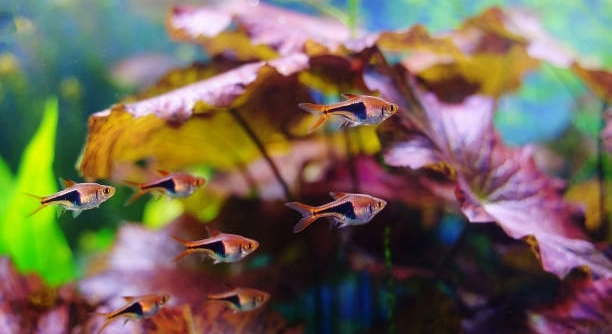
Many aquarium owners enjoy watching their rasboras swim peacefully in their tanks. These small fish often encounter various sounds in their environment, from household noises to water filters. Understanding how rasboras react to these sounds is important for their care.
Rasboras can adapt to routine sounds over time through habituation, a process where repeated exposure reduces their stress response. Consistent, non-threatening noises become less alarming, allowing the fish to maintain normal behavior despite background sounds.
Recognizing how rasboras get used to sounds helps create a calmer environment for them. This knowledge supports better aquarium management and enhances fish well-being.
How Rasboras Respond to New Sounds
When rasboras are first exposed to unfamiliar sounds, they often show signs of stress. This can include erratic swimming, hiding, or staying very still. These reactions happen because sudden noises can trigger their natural instincts to stay alert for danger. However, if the sounds continue regularly without harm, rasboras usually begin to ignore them. This process, called habituation, helps them adjust to the environment and reduces their stress levels. It is important to avoid loud, sudden noises, as these can cause prolonged distress. Gradual exposure to common household sounds like conversations or appliance noises can help rasboras feel more secure in their tank. Observing their behavior during new sound exposures can guide how quickly they adapt and show signs of comfort.
Understanding this response helps aquarium owners create a better environment for their fish. Monitoring fish behavior is key to supporting their adaptation.
Providing a stable and quiet environment initially will make it easier for rasboras to adjust to daily noises. Keeping noise consistent rather than random helps reduce their stress over time.
Creating a Sound-Friendly Aquarium Environment
Limiting sudden loud noises near the tank is crucial for the well-being of rasboras. Consistent background sounds, such as a low hum from a filter or soft household noises, are less likely to disturb the fish. Positioning the tank away from high-traffic areas also reduces sudden sound exposure. Maintaining water quality and proper tank conditions supports overall fish health, which improves their ability to cope with environmental changes, including noise. Using a tank cover or placing sound-absorbing materials nearby can further minimize disruptive sounds. By managing these factors, owners can help their rasboras become comfortable with routine sounds while keeping their habitat peaceful and secure. Regular observation and adjustments to the environment based on the fish’s reactions will ensure their ongoing comfort and health.
Signs of Stress from Loud or Sudden Sounds
Rasboras react quickly to loud or sudden noises by showing stress behaviors. These include darting around the tank or hiding behind plants and decorations. Such reactions indicate discomfort and fear, which can affect their health if prolonged.
When a loud noise occurs unexpectedly, rasboras may freeze or swim erratically. This startle response is natural but can cause increased heart rates and energy use. Repeated exposure to sudden sounds without recovery time may weaken their immune system. Stress from noise can lead to less feeding and slower growth, making them more vulnerable to disease. It is essential to minimize these disturbances to keep rasboras healthy and calm.
Preventing sudden loud noises near the tank helps maintain a peaceful environment. Providing plenty of hiding spots allows rasboras to feel safe when startled. Consistency in the tank’s surroundings supports better adjustment to daily household sounds and reduces overall stress.
Tips to Help Rasboras Adjust to Routine Sounds
Start by introducing noises gradually at low volumes to avoid overwhelming your fish. Keep the tank in a quiet area during the initial adjustment period. Consistent exposure to gentle background sounds, like a soft hum from a filter, helps build their tolerance. Ensure that all other care aspects—such as clean water and stable temperature—are well maintained, as healthy fish handle stress better. Avoid sudden changes in noise levels or frequent loud sounds. Observing rasboras’ behavior during this process is important; signs of calm swimming and normal feeding indicate successful adaptation. Creating a predictable environment allows them to feel secure despite everyday sounds around them.
How Long Does It Take for Rasboras to Adapt?
Rasboras typically begin adapting to routine sounds within a few days to weeks. The exact time depends on the fish’s personality and the consistency of the sounds. Gentle, repeated exposure speeds up this process.
Stress signs usually lessen as the fish become accustomed. Watching for calmer swimming and regular feeding helps track progress.
Impact of Noise on Rasbora Health
Chronic exposure to loud or unpredictable noises can cause prolonged stress in rasboras. This stress may weaken their immune system, making them more prone to illness and reducing lifespan. It can also interfere with normal behaviors like eating and breeding. A peaceful environment is essential to prevent these issues. Providing hiding spaces and maintaining stable water conditions helps mitigate the effects of noise stress, supporting healthier, happier fish over time.
When to Consider Moving the Tank
If your rasboras show persistent stress despite efforts to reduce noise, relocating the tank may be necessary. Moving to a quieter room can improve their comfort and overall health.
FAQ
Can rasboras hear sounds outside the tank?
Rasboras do not have ears like mammals, but they can sense vibrations and pressure changes in the water caused by sounds. Loud noises near the tank create vibrations that the fish can detect. This is why sudden or intense sounds often startle them, even if the noise itself is outside the water.
How sensitive are rasboras to household noises?
Rasboras are moderately sensitive to household noises. Sounds such as talking, music, or appliance hums are usually not harmful if they occur regularly and at low to moderate volumes. However, sudden loud noises like slamming doors or dropping objects can cause stress and fear responses.
What signs show that rasboras are stressed by noise?
Signs include frantic swimming, hiding more than usual, loss of appetite, or staying still at the bottom of the tank. These behaviors suggest the fish are uncomfortable or frightened. Prolonged stress can lead to illness, so monitoring these signs is important.
Will rasboras get used to loud noises?
Loud, unpredictable noises are more difficult for rasboras to get used to compared to consistent, low-level sounds. Habituation occurs with repeated exposure to non-threatening noises. However, loud or sudden sounds can keep causing stress if they are irregular or too intense.
How can I help my rasboras adjust to a noisy environment?
Start by reducing sudden loud noises near the tank. Keep the volume of household sounds steady and moderate. Providing plenty of plants or decorations for hiding can help fish feel safer. Maintaining excellent water quality and a stable environment supports their ability to cope with stress.
Does background noise like a TV or radio bother rasboras?
Background noise at a normal volume usually does not bother rasboras much if it is constant. Fish tend to habituate to repetitive sounds that do not cause harm. Sudden changes in volume or very loud sounds are more likely to disturb them.
Can rasboras become deaf to noises over time?
Rasboras do not become deaf, but they can habituate to regular sounds, which reduces their stress response. Their sensory system remains sensitive to new or sudden stimuli, so they still react to unusual noises.
What should I avoid doing to prevent stress from noise?
Avoid placing the tank near doors, windows, or loud appliances. Do not create sudden loud noises near the tank, such as banging or shouting. Avoid frequently moving or tapping on the tank glass, as this causes vibrations and stress.
Is it normal for rasboras to hide more when there is noise?
Yes, increased hiding is a common stress response. If hiding increases noticeably during noisy periods and reduces when quiet returns, it suggests the fish are uncomfortable. Providing enough hiding spots helps them manage stress.
Can noise affect rasbora breeding behavior?
Excessive noise and stress can disrupt breeding behavior. Stress lowers the likelihood of spawning and can affect egg health. A calm, stable environment encourages natural breeding activities in rasboras.
How can I tell if my rasboras are comfortable despite noise?
Comfortable rasboras swim calmly, feed regularly, and explore the tank. They will also interact normally with other fish. These behaviors indicate they have adapted to the sound environment and are not overly stressed.
Is it better to turn off devices near the tank at night?
Turning off loud or variable noise sources at night can help maintain a calm environment. However, a low-level constant sound like a filter running is generally fine. Quiet periods allow fish to rest and recover from daily activity.
Can playing soft music benefit rasboras?
Soft, steady music may have a neutral or calming effect if played at a low volume. Sudden changes or loud music should be avoided. The key is consistency and avoiding stress from abrupt noise changes.
What role does tank placement play in sound sensitivity?
Placing the tank in a low-traffic, quiet area reduces exposure to sudden noises. Avoid areas near doors, windows, or speakers. A stable location helps rasboras feel secure and reduces their stress from environmental sounds.
How often should I monitor my rasboras’ reactions to noise?
Regular observation is important, especially after introducing new sounds or moving the tank. Watch for changes in behavior daily during adjustment periods. Once fish show calm behavior, monitoring can be less frequent but ongoing.
Rasboras are sensitive to the sounds around them, but they have the ability to get used to routine noises over time. When they are first introduced to new sounds, they might react with stress or fear. This is normal because sudden noises can feel threatening to small fish. However, if the noises continue regularly and do not cause harm, rasboras usually start to ignore them. This process, called habituation, helps the fish stay calm and reduces their stress. It is important to create a quiet and stable environment for them at the beginning to make this adjustment easier.
Keeping the aquarium in a low-noise area and avoiding sudden loud sounds helps rasboras adapt better. Consistent background sounds, like the hum of a filter or soft household noises, are less likely to disturb them once they get used to it. Providing hiding places, such as plants and decorations, allows rasboras to feel safe when they do get startled. Maintaining good water quality and stable conditions also supports their health and helps reduce stress caused by noises. Watching the fish’s behavior closely can help determine if they are adjusting well or if changes are needed.
Overall, understanding how rasboras respond to sounds can improve their care and well-being. While they may initially be frightened by new noises, their ability to habituate allows them to live comfortably in many environments. Creating a peaceful space and managing noise levels ensures that rasboras remain healthy and active. Paying attention to their reactions and making adjustments when necessary supports a better home for these small, beautiful fish. This approach benefits both the fish and the aquarium owner.

Hello,
If you enjoy the content that we create, please consider saying a "Thank You!" by leaving a tip.
Every little bit helps us continue crafting quality advice that supports the health, happiness, and well-being of pets around the world, for pets of all shapes, sizes, and species.
We really appreciate the kindness and support that you show us!