
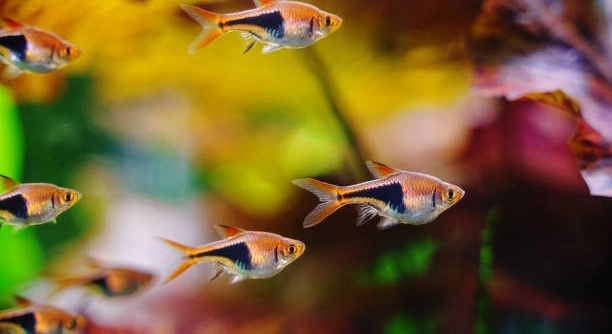
Rasboras are small, colorful fish often kept in home aquariums. Many fishkeepers enjoy watching their behavior and interactions. Understanding whether rasboras form social bonds over time can help improve their care and environment.
Research shows that rasboras do exhibit social behaviors and develop bonds within their groups. Over time, they recognize familiar tank mates and display cooperative swimming and reduced aggression, indicating the formation of social connections in stable environments.
Knowing more about these social patterns can help create a healthier and more harmonious aquarium for your rasboras. This insight encourages better care tailored to their natural behaviors.
How Rasboras Show Social Bonds
Rasboras are known to swim in groups called schools, which helps them feel safe and secure. When kept together over time, they develop preferences for certain tank mates, often swimming closer to familiar individuals. These bonds reduce stress and aggressive behaviors, creating a calmer tank environment. You might notice some rasboras often swimming side by side or following each other during feeding. This behavior shows they recognize and prefer each other. Social bonds also encourage cooperative behaviors like synchronized swimming, which can be important for their natural instincts. In contrast, new or unfamiliar fish might be avoided or met with slight aggression until trust is established. Providing enough space and hiding spots supports these social interactions by allowing fish to interact at their own pace. Overall, these bonds improve their well-being and contribute to a more peaceful aquarium community.
These social behaviors make it easier to maintain group harmony and reduce conflicts in the tank.
Watching how rasboras interact gives insight into their natural needs. It is important to remember that social bonds form gradually. Disturbances such as changing tank mates too often can disrupt these connections. To foster healthy relationships, keep groups stable and monitor interactions closely. Rasboras feel more comfortable and thrive when their social environment is predictable and supportive. This knowledge helps hobbyists create better habitats that respect the fish’s social nature.
Conditions That Support Social Bonding
Stable tank conditions are essential for rasboras to form and maintain social bonds.
Water quality, temperature, and tank size play a major role in their comfort. When these factors are consistent, rasboras focus on social interactions rather than stress responses. In a cramped or poorly maintained tank, fish become anxious and may act aggressively, preventing bonds from forming. It is important to provide enough space for natural schooling and movement. Adding plants and hiding places reduces stress and encourages positive social behavior. Lighting should mimic natural cycles to support their daily rhythms. Feeding them regularly with a balanced diet also helps maintain health and social stability. Frequent changes in the tank environment or mixing unfamiliar fish too quickly can break down established bonds. Patience and careful planning are key to fostering lasting relationships among rasboras. This approach ensures that they can express their social nature fully and remain healthy.
Recognizing Individual Rasboras
Rasboras develop subtle ways to recognize each other within their groups. They use visual cues like coloration and swimming patterns to identify familiar tank mates. This recognition helps maintain social bonds and reduces aggressive encounters.
Individual rasboras often swim close to those they recognize and trust. This behavior shows their preference for certain companions and strengthens group cohesion. When introduced to new fish, rasboras may initially keep their distance until they become familiar with the newcomer. Over time, they learn to accept new members if the environment remains stable and stress-free.
Recognizing each other also helps rasboras coordinate swimming and feeding behaviors. This coordination improves their survival instincts, even in captivity. The ability to distinguish friends from strangers is a key part of their social structure. It makes their interactions more predictable and less stressful, contributing to a balanced tank community.
Effects of Social Bonds on Rasbora Health
Strong social bonds positively influence the overall health of rasboras. Being part of a stable group reduces stress and anxiety, which lowers the risk of illness.
Fish kept in groups where social bonds are allowed to form generally show better appetite, more vibrant colors, and increased activity levels. Stress from isolation or frequent disruptions in social structure can weaken their immune system and make them prone to disease. When rasboras feel secure with familiar companions, they are more likely to thrive and live longer. Monitoring social behavior is an effective way to assess their well-being. Ensuring proper tank conditions along with stable social groups supports both physical health and natural behaviors. This approach benefits both the fish and the aquarium environment.
How to Encourage Social Bonding
Creating a calm environment helps rasboras form social bonds naturally. Avoid overcrowding and maintain stable water conditions to reduce stress and support positive interactions.
Regular feeding schedules and adding plants or decorations provide comfort and safe spaces, encouraging rasboras to interact more confidently and build trust within the group.
Signs of Stress That Affect Social Bonds
Stress can disrupt social bonds among rasboras, leading to aggression or isolation. Poor water quality, sudden changes, and overcrowding are common stressors.
Stress weakens their immune system and causes behavioral changes like hiding or erratic swimming. Keeping a consistent tank environment helps maintain social harmony and overall health.
The Role of Tank Size in Social Behavior
Adequate tank size is essential for healthy social interaction among rasboras. A cramped tank limits movement and increases tension. Providing enough space allows natural schooling and exploration, which supports social bonding and reduces conflict.
Introducing New Rasboras
New rasboras should be introduced slowly to avoid disturbing existing bonds. Quarantining newcomers helps prevent disease spread and eases their integration into the group.
FAQ
Do rasboras need to be kept in groups?
Rasboras are schooling fish that naturally live in groups. Keeping them in groups of at least six helps reduce stress and encourages natural behaviors. When alone or in very small numbers, they can become shy, stressed, or even aggressive. Groups provide security and improve their overall well-being.
How can I tell if my rasboras have bonded?
You may notice rasboras swimming close together, following each other, or resting near the same companions. They tend to avoid aggressive behavior within these bonds. Consistent peaceful interactions and synchronized movements are good signs that social bonds have formed.
What tank size is best for rasboras?
A minimum of 20 gallons is recommended for a small group of rasboras. This size gives them enough space to swim freely and form social groups without overcrowding. Larger tanks allow more natural behavior and reduce stress.
Can rasboras bond with other fish species?
Rasboras generally bond best with their own kind, but they can coexist peacefully with other calm, non-aggressive fish. However, strong social bonds are mostly observed within their own species, as this helps maintain group stability and reduces stress.
How long does it take for rasboras to form social bonds?
Social bonds develop gradually over several weeks. When introduced to a stable environment with familiar tank mates, rasboras slowly recognize and prefer certain companions. Sudden changes or mixing unfamiliar fish frequently can delay or disrupt bonding.
What are common signs of stress in rasboras?
Signs include hiding, loss of appetite, erratic swimming, or aggression. Poor water quality, overcrowding, or sudden environmental changes are usual causes. Stress interferes with their ability to form and maintain social bonds, so it’s important to keep conditions stable.
Does adding plants help rasboras bond?
Yes, plants and decorations provide hiding spots and break line of sight, which lowers stress. This encourages more natural interactions and helps fish feel safe enough to establish bonds. A well-planted tank supports a healthy social environment.
How often should I feed my rasboras?
Feeding once or twice daily with a balanced diet supports their health and social behavior. Regular feeding routines create a sense of security, which helps maintain social bonds and reduces competition or aggression during meal times.
What should I do if my rasboras fight?
Mild disputes can be normal when establishing hierarchy, but persistent aggression signals stress or overcrowding. Check water quality and tank size, and consider adding plants or rearranging decorations. Separating very aggressive individuals may be necessary.
Is it necessary to quarantine new rasboras?
Yes, quarantining new fish before introducing them to the main tank prevents disease and allows gradual social integration. This step reduces stress on the existing group and protects their established social bonds.
Can social bonds improve rasbora breeding success?
Stable social bonds reduce stress and create a supportive environment, which can enhance breeding behaviors. Rasboras that feel secure and comfortable are more likely to spawn and care for their eggs naturally.
Do rasboras remember individual tank mates?
Research suggests that rasboras recognize and remember familiar fish over time. This ability supports social bonding by reducing conflicts and encouraging group cohesion within stable communities.
How do I maintain social bonds during tank maintenance?
Keep maintenance routines calm and consistent. Avoid sudden changes in water temperature or chemistry, and clean the tank gently to prevent stressing the fish. Keeping the environment stable helps preserve established social bonds.
What role does lighting play in social bonding?
Lighting that mimics natural day-night cycles helps regulate rasboras’ activity and rest periods. Proper lighting supports normal behaviors and social interactions by creating a predictable environment.
Are there differences in social bonding between rasbora species?
Some species may show stronger social tendencies or different schooling behaviors. It is helpful to research the specific species you keep to understand their social needs and optimize care accordingly.
Can stress from social disruption cause illness?
Yes, stress weakens the immune system and can lead to diseases like fungal infections or fin rot. Maintaining stable groups and good tank conditions reduces this risk and promotes long-term health.
Is it better to keep only one sex of rasboras?
Mixed groups are natural and usually beneficial. However, males may compete during breeding periods, causing temporary aggression. Providing enough space and hiding places helps manage this behavior without harming social bonds.
How do temperature changes affect social bonds?
Sudden temperature fluctuations cause stress, disrupting social interactions. Keeping water temperature stable within the recommended range supports bonding and overall health.
Can social bonds influence feeding behavior?
Yes, bonded groups tend to feed more calmly and efficiently. Fish feel safer eating near familiar companions, which reduces competition and stress during feeding times.
What happens if bonded rasboras are separated?
Separation can cause stress and disrupt established social relationships. Fish may become withdrawn or aggressive when reunited. Minimizing changes to group composition helps maintain harmony.
How often should I observe my rasboras for social behavior?
Regular observation helps detect changes in social dynamics early. Watching daily for a few minutes is enough to notice any signs of stress, aggression, or bonding, allowing timely adjustments to their care.
Rasboras are small fish with natural social behaviors that influence their well-being in aquariums. Over time, they develop social bonds with familiar tank mates, which helps reduce stress and encourages peaceful interactions. These bonds allow rasboras to swim together, share feeding times, and maintain a more stable group dynamic. Understanding their social nature is important for anyone who keeps these fish, as it can improve their care and quality of life.
Creating an environment that supports social bonding is essential. Factors like stable water quality, adequate tank size, and the presence of plants or hiding spots help rasboras feel secure. When conditions are consistent, they focus on interacting with their group rather than reacting to stress. Avoiding overcrowding and sudden changes allows rasboras to build trust over weeks, forming connections that benefit both their behavior and health. It is clear that social bonds play a key role in helping these fish thrive in captivity.
In summary, paying attention to the social needs of rasboras can lead to a healthier and more harmonious aquarium. By keeping groups stable and providing proper tank conditions, it is possible to support natural behaviors and long-term health. Observing how rasboras interact offers valuable insight into their needs and helps prevent problems like aggression or stress. A thoughtful approach to their care ensures that these small fish live comfortably and display their full social potential.

Hello,
If you enjoy the content that we create, please consider saying a "Thank You!" by leaving a tip.
Every little bit helps us continue crafting quality advice that supports the health, happiness, and well-being of pets around the world, for pets of all shapes, sizes, and species.
We really appreciate the kindness and support that you show us!