
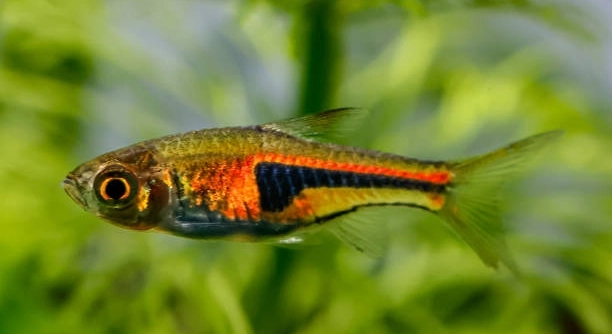
Rasboras are small, colorful fish often kept in home aquariums. They live in environments where light can change a lot. Many fish, including rasboras, respond carefully to different lighting conditions to feel safe and comfortable.
Rasboras avoid certain lighting angles because bright or direct light can cause stress and make them feel exposed to predators. Their natural habitats usually have soft, filtered light, so they seek shelter or shaded areas when lighting is harsh or angled incorrectly.
Understanding how light affects rasboras helps create a better environment for their well-being. Learning about their lighting preferences supports healthier, more active fish in your aquarium.
How Lighting Affects Rasbora Behavior
Lighting plays a big role in how rasboras act in their tanks. These fish come from shaded rivers and streams, so they are used to soft, natural light. When light is too bright or comes from sharp angles, rasboras can feel uneasy. Bright light can make their colors look faded and make them want to hide more. They may stay near plants or decorations to avoid harsh lighting. This behavior is their way of protecting themselves, even in a safe aquarium. Fish rely on lighting cues for comfort and security. It’s important to provide lighting that mimics their natural setting to reduce stress and encourage natural behavior. Keeping light dimmer and more diffuse helps rasboras swim freely and display their colors better.
Proper lighting not only helps rasboras feel safe but also promotes healthy activity. Balanced lighting encourages them to explore and interact.
Knowing how lighting changes rasbora behavior allows you to adjust your tank setup for their comfort. This can lead to a healthier, more vibrant aquarium where your fish thrive without unnecessary stress.
Creating the Right Lighting Environment
Adjusting lighting angles is key to making rasboras comfortable. Using lamps with adjustable brightness or positioning lights so they do not shine directly into the tank can help. You can add floating plants or taller decorations to soften the light. These additions create shadows and shaded spots, giving your rasboras places to escape bright light. It’s best to avoid strong overhead lights that shine directly down, as this can cause fish to hide too much. Using timers to mimic natural day and night cycles also benefits their health.
A well-lit but gentle environment encourages rasboras to show their natural colors and behaviors.
When setting up your aquarium lighting, think about the natural habitats of rasboras. They come from places where sunlight filters through leaves and water, rarely shining in one direct beam. Mimicking this environment helps keep them calm and active. You can experiment with light angles to see where your fish feel most comfortable, adjusting as needed. This effort improves their well-being and makes the aquarium more enjoyable to watch. Small changes like lowering light intensity or adding plants can make a big difference in how your rasboras behave and thrive.
Common Lighting Mistakes to Avoid
Too much direct light causes stress in rasboras, making them hide often. Bright, harsh lighting is uncomfortable for these fish, as it does not reflect their natural environment.
Using overly bright bulbs or positioning lights too close to the tank are common mistakes. Some setups rely on intense lighting to show off plants or decorations but forget the fish’s needs. This can lead to rasboras becoming less active or hiding most of the time. Another issue is having inconsistent lighting schedules, which confuses the fish and affects their daily rhythm. Proper tank lighting balances brightness with comfort, avoiding glare or sharp angles that disturb rasboras. Simple fixes include dimming lights, using shaded bulbs, or adding plants to soften the light, improving fish behavior and health.
Recognizing and correcting lighting errors helps rasboras feel more secure, encouraging them to swim openly and display their natural colors. Small changes can greatly enhance their tank environment.
How to Adjust Lighting Angles for Rasboras
Adjust lighting angles so the light gently filters through the tank, avoiding direct beams that cause discomfort. Position lamps at a slight angle or use diffusers to soften the glow.
Experimenting with light placement helps find the best balance between visibility and comfort for your rasboras. Using floating plants or aquarium decorations creates natural shadows, which give the fish places to retreat if the light feels too strong. Avoid pointing light directly from above or the side where it hits the tank glass and creates glare. Consistent lighting cycles, mimicking sunrise and sunset, help regulate fish behavior and reduce stress. Adjustments like these can transform a tank from a stressful space to a calm, inviting habitat where rasboras thrive. Thoughtful lighting design respects the fish’s needs while enhancing the tank’s appearance.
Why Rasboras Prefer Dimmer Light
Rasboras feel safer in dimmer light because it mimics their natural habitat. Bright light exposes them, making them vulnerable to predators.
Dim lighting helps reduce their stress levels and encourages natural behaviors like swimming in groups and exploring the tank.
The Role of Shadows and Shelter
Shadows and shelter provide rasboras with safe spots to retreat when light feels too intense. Plants, rocks, and decorations create these shaded areas, making the tank more comfortable. These hiding places reduce anxiety and help rasboras maintain their health by giving them control over their environment.
Impact of Light on Rasbora Colors
Lighting affects how bright and vibrant rasboras appear. Soft, natural light highlights their colors best without causing stress or fading.
Adjusting Your Tank Lighting Slowly
Changing lighting too quickly can upset rasboras. Gradual adjustments help them adapt comfortably to new conditions.
FAQ
Why do rasboras avoid bright lighting?
Rasboras come from shaded waters, so bright lighting makes them feel exposed and stressed. Too much light can cause them to hide or become less active. They prefer soft, diffused light that mimics their natural environment. Bright light also washes out their colors, making them less vibrant.
How can I create a better lighting environment for my rasboras?
Use adjustable lights or bulbs with a low brightness level. Adding plants and decorations helps break up the light, creating natural shaded areas. Position the lights at an angle instead of directly overhead. Using timers to simulate day and night cycles also helps rasboras feel secure.
Can lighting affect rasbora health?
Yes, improper lighting can stress rasboras, which weakens their immune system. Stress can lead to illness or reduced lifespan. Providing suitable lighting reduces stress and promotes better behavior and overall health.
What type of lighting is best for a rasbora tank?
Soft, natural-looking LED or fluorescent lights work well. Avoid harsh or overly bright bulbs. Lighting that mimics filtered sunlight through trees or water is ideal. A light intensity between 500 to 800 lux is usually comfortable.
How long should the aquarium light stay on each day?
About 8 to 10 hours of light per day is sufficient. Too much light can stress the fish and encourage algae growth. Using a timer helps keep a consistent schedule, supporting the fish’s natural rhythm.
Will rasboras hide if the lighting is wrong?
Yes, if the light is too bright or angled harshly, rasboras tend to hide behind plants or decorations. Hiding reduces stress but means the fish are not displaying normal, active behavior. Adjusting the lighting often reduces this hiding.
Does the color of the light matter?
Yes, light color can influence how rasboras look. Cooler white or daylight bulbs show their colors naturally, while very warm or colored lighting may distort their appearance. Neutral white light usually works best for both fish and plants.
Should I use floating plants to control lighting?
Floating plants are helpful because they diffuse and soften light before it reaches the water. This creates gentle shade that rasboras appreciate. They also provide extra hiding spots and help maintain water quality.
Can lighting angles stress other fish too?
Yes, many fish species have natural lighting preferences. Too much direct or harsh light can cause stress across different types of fish. It’s a good idea to observe your aquarium’s inhabitants and adjust lighting to suit their needs.
Is it okay to turn off the aquarium light during the day?
Turning off the light suddenly during the day can startle fish. If you need to reduce light, do it gradually or use dimmers. Sudden darkness disrupts their routine and may cause stress.
How do I know if my rasboras are stressed by lighting?
Signs include hiding more than usual, staying still at the tank bottom, faded colors, and reduced appetite. If you notice these, consider lowering the light intensity or changing its angle.
Can artificial lighting replace natural light for rasboras?
Yes, but it must be set up carefully. Artificial light needs to mimic natural conditions — filtered, soft, and consistent in timing. Proper aquarium lighting supports healthy fish without direct sunlight, which can cause temperature spikes and algae growth.
Is a light diffuser necessary?
A light diffuser helps by spreading light evenly and reducing harsh spots. It’s useful for tanks with strong bulbs or direct lighting. Diffusers can be glass, plastic covers, or floating plants that naturally soften the light.
What role do shadows play in fish comfort?
Shadows give fish places to rest and hide, reducing stress. They replicate the natural shade from leaves and rocks found in rivers. Without shadows, fish feel exposed and may act skittishly or avoid swimming openly.
Can I use dimmable lights for better control?
Dimmable lights allow you to adjust brightness throughout the day, simulating dawn and dusk. This gentle change helps rasboras adapt and reduces sudden stress. It’s a good investment for a healthy tank environment.
How often should I change my lighting setup?
Only change lighting setups when necessary, such as when adding new plants or fish. Frequent changes confuse fish and increase stress. If you adjust, do so slowly over days or weeks.
Do rasboras react to flashing or flickering lights?
Yes, flickering or flashing lights can stress rasboras and other fish. It’s best to use high-quality lighting systems that provide steady, consistent illumination without flicker.
Can I use colored lights to enhance rasbora colors?
Colored lights can enhance the look of fish but may also cause stress if too intense or unnatural. Use colored lighting sparingly and avoid very strong or harsh colors. Neutral lighting is safer for daily use.
What is the best way to monitor lighting effects on rasboras?
Observe fish behavior and color regularly. If they swim actively and show bright colors, lighting is likely suitable. If they hide or look dull, consider adjusting the light’s angle, intensity, or duration.
Are there specific times when rasboras prefer light changes?
Rasboras respond well to gradual light changes like sunrise and sunset. Sudden changes can startle them. Mimicking natural light transitions supports their daily activity and rest cycles.
Rasboras are delicate fish that respond strongly to their environment, especially to lighting. The way light hits their tank affects their behavior, stress levels, and overall health. Bright, harsh lighting can make them feel exposed, causing them to hide or act nervously. On the other hand, softer, diffused lighting that mimics their natural habitat helps them feel safe and comfortable. When setting up an aquarium for rasboras, it’s important to remember that lighting is not just about visibility—it plays a key role in their well-being. Finding the right balance of light intensity and angle creates a calm environment where these fish can thrive.
Adjusting lighting for rasboras means paying attention to details like bulb type, light placement, and how much shade is available in the tank. Using dimmable or adjustable lights lets you control brightness levels and avoid harsh direct beams. Adding floating plants or decorations can also soften the light and create natural hiding spots, which rasboras appreciate. It’s equally important to keep a consistent light schedule, using timers if possible, so the fish have regular day and night cycles. These simple changes can reduce stress, improve activity levels, and allow rasboras to show their natural colors more vividly.
Ultimately, caring for rasboras involves creating an environment that closely matches what they are used to in the wild. Lighting is a crucial piece of that puzzle. By observing how your fish react to different lighting angles and brightness, you can make adjustments that support their health and happiness. Taking time to fine-tune the aquarium’s lighting setup helps rasboras live a more natural and comfortable life. This care not only benefits the fish but also makes your tank a more beautiful and peaceful place to enjoy.

Hello,
If you enjoy the content that we create, please consider saying a "Thank You!" by leaving a tip.
Every little bit helps us continue crafting quality advice that supports the health, happiness, and well-being of pets around the world, for pets of all shapes, sizes, and species.
We really appreciate the kindness and support that you show us!