
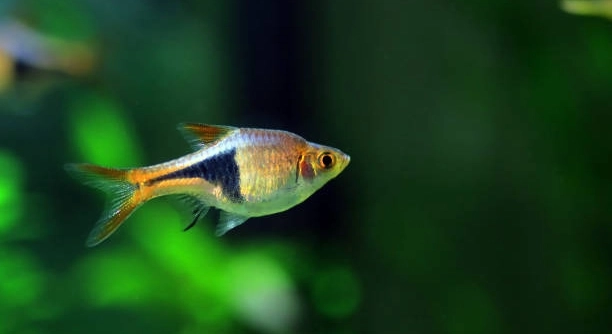
Many aquarium enthusiasts enjoy keeping Rasboras for their peaceful nature and bright colors. These small fish respond well to calm environments that help reduce their stress. Knowing what soothes Rasboras can improve their well-being in home tanks.
Rasboras calm down when given stable water conditions, plenty of hiding spots, soft lighting, and gentle tank mates. Consistent feeding schedules and minimal sudden movements around the tank also contribute significantly to their reduced stress levels.
Learning these calming factors will help create a more balanced habitat for Rasboras. This knowledge supports both beginners and experienced hobbyists in maintaining happy, healthy fish.
Stable Water Conditions
Maintaining stable water conditions is one of the most important things you can do to keep Rasboras calm. These fish are sensitive to sudden changes in temperature, pH, or water hardness. When water parameters fluctuate too much, it causes stress that can lead to illness or erratic behavior. Using a reliable heater and regularly testing the water helps prevent these shifts. Frequent partial water changes also keep the environment clean without shocking the fish. Avoid adding new water that is too cold or chemically different from the tank water. Rasboras thrive best when their water stays consistent within their preferred range. Stability creates a peaceful atmosphere where they feel safe and secure.
Water temperature should generally stay between 72 and 79 degrees Fahrenheit. Keeping pH around 6.5 to 7.5 is ideal for most Rasbora species.
Consistent water quality is key to calming Rasboras. Avoiding sudden changes lets them relax and behave naturally. This is a simple but effective step toward a healthier tank environment.
Hiding Spots
Providing plenty of hiding spots helps Rasboras feel secure. They like to retreat into plants, rocks, or decorations when they sense danger or just want to rest. Without enough cover, they may become skittish or stressed. Plants such as Java moss, floating plants, or dense stem plants work well. Small caves or driftwood can also offer safe spaces. It’s best to create a mix of open swimming areas and covered places for balance.
Rasboras are naturally shy and rely on these shelters to reduce anxiety. A tank with no hiding spots often leads to restless and nervous fish.
A well-planted tank with natural decorations gives Rasboras a comforting environment. When they can easily find a place to hide, they feel less threatened by tank mates or outside movement. This reduces their stress and helps maintain calm behavior throughout the day. Providing diverse shelter options also encourages natural exploration and social interaction within the group. Keeping hiding spots clean and free of algae ensures the fish will continue to use them regularly.
Soft Lighting
Soft lighting helps reduce stress in Rasboras by mimicking their natural habitat. Bright or harsh lights can make them nervous and cause hiding or erratic swimming.
Using dimmable LED lights or placing floating plants can soften the light in the tank. Avoid direct sunlight, which can increase algae growth and cause temperature swings. A gentle light cycle of about 8 to 10 hours per day is enough. This balance encourages normal activity without overwhelming the fish.
Soft lighting creates a calm environment where Rasboras feel comfortable swimming openly. It also helps plants thrive, contributing to the overall health of the tank. Adjusting light intensity based on fish behavior can improve their well-being and make the aquarium more enjoyable to watch.
Gentle Tank Mates
Choosing peaceful tank mates is crucial for keeping Rasboras calm. Aggressive or overly active fish can stress them out quickly. Ideal companions include small, non-aggressive species like neon tetras or Corydoras catfish.
Avoid housing Rasboras with large, territorial fish that may chase or nip at them. Groups of Rasboras themselves feel safer when kept in schools of six or more, which reduces fear and encourages natural schooling behavior. Proper tank mate selection creates a peaceful community where Rasboras can thrive and display their best colors and behaviors consistently.
Consistent Feeding Schedule
Feeding Rasboras at regular times helps keep them calm and healthy. Sudden changes in feeding or irregular meals can stress the fish.
A consistent schedule trains Rasboras to expect food, reducing anxiety and aggressive behavior. It also supports their digestion and energy levels.
Minimal Sudden Movements
Avoid quick or sudden movements near the tank. Rasboras are sensitive to vibrations and fast actions, which can startle them.
Keeping a calm presence around the aquarium reduces stress and allows the fish to swim freely without fear.
Gentle Water Flow
A gentle water flow mimics natural streams and prevents strong currents that can tire Rasboras. Too much water movement causes stress and hiding.
Using adjustable filters or placing decorations to break currents creates a peaceful environment where Rasboras can swim comfortably.
FAQ
What type of water is best for Rasboras?
Rasboras prefer slightly soft to moderately hard water with a pH between 6.5 and 7.5. Temperature should be steady around 72 to 79°F (22 to 26°C). Regular testing helps keep these parameters stable, which reduces stress and keeps them healthy.
How often should I feed my Rasboras?
Feeding small amounts once or twice a day works best. Overfeeding can dirty the tank and cause health issues. Remove uneaten food after a few minutes to keep the water clean. A balanced diet including flakes, frozen, and live foods keeps them well-nourished.
Can Rasboras live alone?
Rasboras are schooling fish, so they feel safest in groups of six or more. Alone, they may become stressed, shy, or lose color. Keeping them in a small school encourages natural behavior and reduces anxiety.
What are good tank mates for Rasboras?
Ideal tank mates are peaceful, small fish like neon tetras, guppies, or Corydoras catfish. Avoid aggressive or territorial fish that might chase or stress Rasboras. Fish with similar water needs make for the best community tank.
How important are plants for Rasboras?
Plants provide hiding spots and make the environment feel safe. They also improve water quality by absorbing nitrates. Live plants like Java moss or Anubias are great choices, helping Rasboras stay calm and comfortable.
What should I do if my Rasboras seem stressed?
Check water parameters first to ensure stability. Look for sudden changes in temperature, pH, or ammonia levels. Make sure they have enough hiding places and soft lighting. Reduce disturbances near the tank and avoid overcrowding.
How do I reduce algae in a Rasbora tank?
Control light exposure by limiting it to 8–10 hours per day. Avoid overfeeding, as excess food feeds algae. Adding algae-eating species like snails or shrimp can help. Regular water changes and cleaning decorations prevent buildup.
Do Rasboras need special care during breeding?
Breeding Rasboras requires a separate tank with soft, slightly acidic water and plenty of plants. They scatter eggs, so fine-leaved plants or spawning mops help protect the eggs. Removing adults after spawning prevents them from eating the eggs.
How long do Rasboras typically live?
With proper care, Rasboras usually live 3 to 5 years. Maintaining good water quality, feeding a balanced diet, and keeping stress low extend their lifespan.
Is it okay to keep different Rasbora species together?
Yes, many Rasbora species can live together if they have similar size and temperaments. However, differences in water needs or behavior may cause issues. Research each species carefully before mixing them.
Rasboras are peaceful fish that thrive best in calm, stable environments. Keeping their water conditions consistent is key to reducing stress and promoting good health. Small changes in temperature, pH, or water quality can quickly unsettle them. Providing plenty of hiding spots and soft lighting helps them feel safe and comfortable. These simple adjustments create a peaceful space where Rasboras can swim and behave naturally. A gentle water flow and careful choice of tank mates also play important roles in keeping the fish relaxed. When these basic needs are met, Rasboras tend to show brighter colors and more active behavior.
Feeding Rasboras on a regular schedule with balanced food supports their well-being. Overfeeding or irregular feeding times can cause water problems and stress. Keeping to small portions once or twice daily is ideal. Avoid sudden movements near the tank, as Rasboras are easily startled by fast or loud actions. A calm presence around the aquarium encourages them to swim freely without fear. These small details matter a lot and can make a big difference in how your fish live. When Rasboras feel safe and well cared for, their natural schooling behavior becomes more noticeable and enjoyable to watch.
Overall, creating a stable and peaceful tank environment is the best way to calm Rasboras. Paying attention to water quality, lighting, tank mates, and feeding habits supports their health and reduces stress. Providing hiding places and gentle water flow helps them feel secure. Rasboras are not demanding fish but do benefit greatly from these thoughtful care practices. With patience and consistency, they become lively and vibrant additions to any aquarium. Their calm nature and beautiful appearance make them a wonderful choice for many fishkeepers.

Hello,
If you enjoy the content that we create, please consider saying a "Thank You!" by leaving a tip.
Every little bit helps us continue crafting quality advice that supports the health, happiness, and well-being of pets around the world, for pets of all shapes, sizes, and species.
We really appreciate the kindness and support that you show us!