
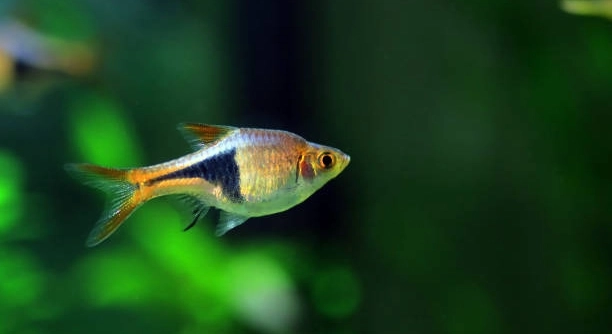
Rasboras are small freshwater fish often kept in home aquariums. Their behavior around water flow can reveal a lot about their comfort and health. Observing these reactions helps hobbyists create a better environment for them.
Rasboras display seven distinct reactions to water flow, including swimming patterns, positioning, fin movement, schooling behavior, feeding response, stress indicators, and interaction with tank objects. These reactions reflect their adaptability and preference for specific flow conditions.
Understanding how rasboras respond to water flow is essential for maintaining their wellbeing. This article explains these behaviors and offers insights for aquarium care.
Swimming Patterns in Response to Water Flow
Rasboras often change their swimming patterns depending on the strength and direction of water flow. When the flow is gentle, they tend to swim smoothly and spread out evenly across the tank. In stronger currents, they may swim closer to surfaces or objects that offer shelter from the flow. Sometimes, you might notice them darting quickly to adjust their position. This behavior helps them conserve energy by avoiding constant swimming against a strong current. Observing these patterns can indicate whether the water flow is suitable or too strong for them. Adjusting the flow to match their needs can reduce stress and promote healthier activity levels.
Swimming patterns show how rasboras cope with their environment and reveal their comfort levels. Strong or uneven flow can cause them to cluster or hide more often.
By paying attention to their movement, you can fine-tune water circulation to keep rasboras active without overexerting them. Proper flow balance encourages natural swimming habits and supports their overall wellbeing.
Positioning in the Tank
Rasboras use positioning as a way to handle different water currents.
When water flow is moderate, they often position themselves in mid-levels or near plants where the current is less intense. In tanks with strong currents, they may stay close to the bottom or behind decorations to find calm spots. This behavior helps them avoid tiring out and keeps them safe. Watching where rasboras prefer to stay can guide how you set up your aquarium flow. Avoiding overly strong currents and providing areas with gentle flow supports their natural habits. Creating zones with varied flow levels lets rasboras choose the best spots for comfort and rest. Proper positioning also helps with feeding and reduces signs of stress.
Fin Movement and Water Flow
Rasboras adjust their fin movement based on the water current. In stronger flow, fins often spread wider to help with stability and control.
These fish use their pectoral and tail fins to navigate currents efficiently. Wider fin positioning allows better balance and prevents being pushed around too much. When the flow is gentle, fins are held closer to the body for smooth swimming. Watching fin movement helps identify if the flow is too strong or comfortable. If fins are constantly flared, it may indicate the fish is working harder than needed to maintain position.
Correct water flow helps rasboras conserve energy and reduces stress. Ensuring the flow is not too forceful promotes natural fin use and healthier swimming patterns.
Schooling Behavior and Flow
Rasboras tend to school more tightly in stronger currents.
Schooling provides safety and stability in flowing water. By grouping, they reduce individual effort fighting the current and maintain direction. When the flow is weak, schools may spread out more as there is less need for protection or support. Tight schooling can also be a stress response to excessive flow. Proper tank design with varied flow areas encourages healthy schooling habits. It allows the fish to choose when to group closely or swim freely, improving their overall wellbeing and reducing anxiety.
Feeding Response to Water Flow
Rasboras tend to feed more actively in areas with gentle water flow. Strong currents can make it difficult for them to catch food.
In fast-moving water, food may drift too quickly or settle unevenly, causing rasboras to struggle during feeding. They prefer calmer spots where they can easily spot and capture food without using extra energy. Adjusting flow to allow some still areas improves feeding efficiency and reduces stress.
Stress Indicators Related to Flow
Rasboras show stress through erratic swimming or hiding when the flow is too strong.
Consistent hiding or sluggish movement may signal discomfort. Monitoring these signs helps maintain a healthy environment.
Interaction with Tank Objects
Rasboras often use plants and decorations as shelter from strong currents. These objects help them rest and conserve energy.
Providing enough hiding places and gentle flow zones supports their natural behavior and comfort.
FAQ
How strong should the water flow be for rasboras?
Rasboras prefer a gentle to moderate water flow. Too strong a current can tire them out and cause stress, while too little flow may reduce oxygen circulation. Aim for a balanced flow that allows them to swim comfortably without fighting the current.
Can rasboras survive in tanks with strong water flow?
They can survive but often show signs of stress if the flow is too strong. They may hide frequently, display erratic swimming, or cluster tightly. Providing calm areas with plants or decorations helps them rest and avoid constant exposure to strong currents.
Why do rasboras school more tightly in strong currents?
Schooling tightly in strong flow reduces individual effort and increases safety. It helps them maintain position more easily by working together against the current. This behavior also lowers stress, as they feel more secure in groups.
What happens if the water flow is too weak?
Weak flow can lead to poor oxygen distribution and stagnant water zones. Rasboras may become less active and feeding can be affected. Ensuring some gentle circulation improves water quality and encourages natural movement.
How can I adjust water flow in my tank?
You can adjust flow using filters with variable speed settings, adding flow deflectors, or rearranging plants and decorations to create calm zones. Monitoring how your fish behave will guide you in making the right changes.
Does water flow affect rasbora feeding habits?
Yes. Strong flow can make it harder for rasboras to catch food as it moves quickly or unevenly. Calm areas help them feed more easily and reduce energy spent chasing food.
What are signs of stress related to water flow?
Signs include hiding, erratic swimming, clamped fins, or lethargy. If you notice these, it may indicate the flow is too strong or inconsistent.
Is it necessary to mimic natural water flow in an aquarium?
Mimicking natural flow helps rasboras feel comfortable and display natural behavior. Since they come from slow-moving streams, replicating gentle, steady flow supports their health and wellbeing.
How do plants and decorations affect water flow for rasboras?
Plants and decorations break up strong currents, creating zones of calm. This gives rasboras places to rest and reduces stress caused by continuous flow.
Can changing the flow suddenly harm rasboras?
Sudden changes can stress them. It’s best to adjust water flow gradually to allow them to adapt without harm. Observing their behavior during adjustments helps ensure changes are beneficial.
Rasboras are delicate fish that respond clearly to the flow of water in their environment. Understanding how they react to different water currents is important for anyone keeping them in an aquarium. Water flow affects their swimming patterns, feeding, and overall comfort. When the flow matches their natural preferences, rasboras swim actively, feed easily, and show fewer signs of stress. On the other hand, too strong or too weak currents can lead to hiding, erratic behavior, or sluggishness. Being mindful of these reactions helps ensure that rasboras live healthier, less stressful lives.
Creating a suitable water flow in a tank means balancing circulation to meet the needs of the fish. Gentle to moderate flow is usually best for rasboras, as it mimics their natural slow-moving stream habitats. Providing varied flow areas, with some calm spots near plants or decorations, allows the fish to choose where they feel most comfortable. Adjusting filters or using flow deflectors can help achieve this balance. Watching how rasboras behave in response to changes in water flow offers clues about whether adjustments are needed. By paying attention to these small details, hobbyists can improve their fish’s environment significantly.
Maintaining proper water flow is only one part of caring for rasboras but a crucial one. It supports natural behavior, encourages healthy swimming and feeding habits, and reduces stress. These benefits contribute to the fish’s overall wellbeing and longevity. Simple actions like observing their fin movement, schooling behavior, and positioning can provide useful feedback. In this way, water flow management becomes an important part of responsible aquarium care. Taking time to understand and adjust flow based on rasboras’ needs leads to a more balanced, peaceful aquarium environment.

Hello,
If you enjoy the content that we create, please consider saying a "Thank You!" by leaving a tip.
Every little bit helps us continue crafting quality advice that supports the health, happiness, and well-being of pets around the world, for pets of all shapes, sizes, and species.
We really appreciate the kindness and support that you show us!