
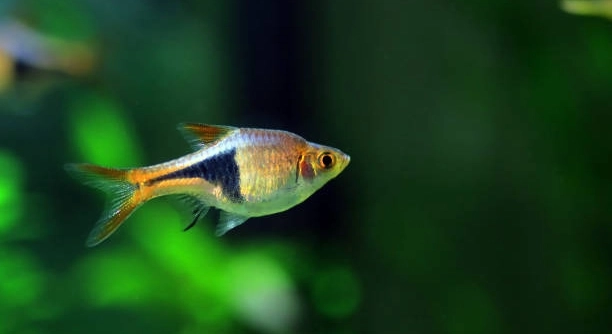
Rasboras are small freshwater fish often found in home aquariums. They have a habit of hovering beneath leaves or other plants in their environment. This behavior is common and can be noticed by many fish enthusiasts.
Rasboras hover under leaves primarily for protection and comfort. The leaves offer shelter from predators and reduce stress by providing a shaded area. Additionally, this behavior helps them regulate their exposure to light and creates a sense of security.
Understanding why rasboras prefer these shaded spots can help improve their care and create a more natural and comfortable environment for them to thrive in.
Reasons Rasboras Hover Under Leaves
Rasboras often stay beneath leaves because it offers them a sense of safety and calm. Leaves create shaded spots where they feel less exposed to potential threats. In an aquarium, bright lights or sudden movements can stress these small fish. The leaves act as a natural shelter, helping them stay relaxed. Sometimes, rasboras hover under leaves to rest or conserve energy, especially during the daytime when light levels are high. This behavior is similar to how they would act in their natural habitat, where plants provide protection from larger fish. The plants also create gentle water currents, which rasboras enjoy as it mimics the flow of their native rivers and streams.
The presence of leaves also supports better oxygen levels and water quality, which contributes to the overall health of rasboras. These conditions encourage the fish to spend time near or under the foliage.
Rasboras’ preference for shaded areas under leaves is a sign of their need for a safe, low-stress environment. Offering plenty of plants and hiding spots helps keep them comfortable and healthy. Knowing this behavior allows aquarium owners to create setups that meet their needs and improve their wellbeing.
Environmental Factors Affecting Rasbora Behavior
Light intensity and water conditions influence how often rasboras hover under leaves. Strong lighting can make them seek shade to avoid stress and potential harm.
Water temperature and quality also impact their behavior. Rasboras prefer stable conditions with moderate temperatures. Fluctuations or poor water quality can make them hide more often, including staying under leaves for longer periods.
Providing a well-planted aquarium with stable lighting and clean water helps reduce stress. When their environment feels secure, rasboras show more natural behavior, swimming freely around the tank.
Good filtration and regular water changes maintain water clarity and oxygen levels. This supports healthy fish and reduces the need for constant hiding. Adjusting lighting to a softer setting mimics their natural environment and makes them feel safe.
Aquarium owners can observe these changes and adjust the setup accordingly. This approach encourages rasboras to be more active and visible, improving both their quality of life and the enjoyment of watching them.
Impact of Tank Setup on Rasbora Behavior
Tank layout greatly influences where rasboras choose to spend their time. A tank with dense plants and floating leaves encourages them to hover beneath for comfort. Without sufficient foliage, they may appear more stressed or restless.
Plants mimic their natural habitat, offering shelter and hiding places. Rasboras use leaves as cover from perceived threats and bright light. Floating plants diffuse light and create a calmer environment. This reduces anxiety and promotes natural swimming patterns.
When tanks lack these features, rasboras may hide in corners or behind decorations. Providing ample leafy cover helps balance their need for safety and exploration. Observing their movement helps determine if the tank setup meets their comfort needs.
Feeding Habits and Leaf-Hovering
Rasboras sometimes hover under leaves while waiting for food or picking off tiny particles. Leaves attract microorganisms and algae, which supplement their diet. This behavior helps them find extra nutrition in the tank.
Offering a varied diet supports their natural feeding habits. They enjoy flakes, small pellets, and live or frozen foods. Feeding near plants encourages natural foraging, reducing stress and keeping them active. This can also strengthen their immune system and overall health.
Rasboras often hover quietly during feeding times under leaves to stay protected while eating. This calm behavior shows they feel secure and comfortable in their environment. Observing feeding patterns can help identify if their habitat suits their needs well.
Social Behavior and Leaf Hovering
Rasboras are schooling fish that feel safer in groups. Hovering under leaves together helps them stay close and protected. This behavior reduces stress and strengthens their social bonds.
When alone or stressed, rasboras might hide more often under leaves. Keeping them in groups encourages natural behavior and less hiding.
Predation and Safety
Rasboras instinctively hide under leaves to avoid predators. In nature, leaves offer protection from larger fish. Even in tanks, this instinct remains strong. Providing plenty of leafy cover helps satisfy this need for safety.
Light Sensitivity
Rasboras are sensitive to bright light, which can cause discomfort. Leaves offer shade and help control light exposure, creating a calming environment that encourages them to stay nearby.
Breeding Behavior
During breeding, rasboras may hover under leaves to lay eggs. Leaves provide a safe place for eggs, protecting them from being eaten by other fish.
Why do rasboras prefer hovering under leaves?
Rasboras hover under leaves because it offers them shelter and protection. Leaves create shaded, quieter areas where they feel safe from bright lights and potential threats. This behavior is natural and helps them reduce stress, making the aquarium environment more comfortable and secure for them.
Is hovering under leaves a sign of stress in rasboras?
Not always. While excessive hiding can indicate stress, hovering under leaves is usually a normal, comforting behavior. It means they feel safer in shaded areas. However, if they remain hidden all the time and avoid swimming freely, it might signal an issue with water quality, lighting, or tank mates.
How can I encourage my rasboras to swim more openly?
Providing a well-balanced environment helps. Use moderate lighting and add plenty of plants, both floating and rooted, to create shaded spots. Make sure water conditions are stable with regular cleaning. Keeping rasboras in small groups also boosts their confidence and encourages natural schooling behavior, making them swim more actively.
Do rasboras need live plants or will artificial ones work?
Live plants are preferable because they improve water quality by absorbing toxins and releasing oxygen. They also attract small microorganisms that rasboras may feed on. However, if live plants aren’t possible, high-quality artificial plants with soft leaves can still offer good shelter and comfort.
Can poor water conditions cause rasboras to hide under leaves more?
Yes. Poor water quality, such as high ammonia or nitrate levels, can stress fish and cause them to hide more. Regular water testing, partial water changes, and good filtration are essential. Healthy water encourages rasboras to be active and reduces the need for constant hiding.
How important is tank size for rasbora behavior?
Tank size matters because small tanks can increase stress and reduce space for swimming. A larger tank with plenty of plants and open swimming areas allows rasboras to display natural behaviors, including schooling and exploring, while still having safe spots under leaves.
Does the species of rasbora affect their hovering habits?
Different species may show variations in behavior, but most rasboras naturally seek shelter under leaves or plants. Some species prefer more open water, but leaf-hovering is common among many types as a safety mechanism and way to regulate light exposure.
Are rasboras more active at certain times of the day?
Rasboras tend to be more active during dawn and dusk, times when light is lower. During bright daylight, they often hover under leaves to avoid strong light. Adjusting aquarium lighting to mimic natural day-night cycles helps support their activity patterns.
Will adding floating plants help reduce stress in rasboras?
Yes. Floating plants create a softer light environment and more shaded areas, which reduces stress for light-sensitive fish like rasboras. They also add cover that helps fish feel secure, encouraging healthier and calmer behavior.
Can rasboras be kept with other fish without them hiding all the time?
Rasboras do well with peaceful, similarly sized fish. Aggressive or very large tank mates can cause them to hide excessively. Selecting compatible species and providing enough hiding spots helps rasboras feel safe and show natural swimming behavior.
How does temperature affect rasbora behavior?
Rasboras prefer stable temperatures between 72-79°F (22-26°C). Temperatures outside this range can cause stress, leading to more hiding. Maintaining steady temperatures helps them stay active and comfortable, reducing the need to hover under leaves as a stress response.
Is it normal for rasboras to hover under leaves during breeding?
Yes. During breeding, rasboras use leaves as safe spots to lay eggs. Leaves protect the eggs from being eaten by other fish. Providing plenty of healthy plants supports natural breeding behaviors and egg survival.
What should I do if my rasboras stay hidden under leaves for days?
Check water quality, tank mates, and lighting. Poor conditions or bullying can cause long hiding periods. Improving water parameters, reducing stressors, and adding more plants or hiding spots can help. If behavior continues, consider consulting a specialist to rule out illness.
How can I tell if my rasboras are healthy when they spend time under leaves?
Healthy rasboras will show clear eyes, smooth scales, and steady breathing. They should occasionally swim out from under leaves to feed and interact with their group. Regular feeding, active schooling, and bright coloration are good signs even if they spend time in shaded areas.
Can lighting adjustments reduce excessive leaf-hovering?
Yes. Lowering light intensity or using a timer to create gradual light changes can make rasboras feel more comfortable. Bright, constant lighting can stress fish, so soft or indirect light encourages natural behavior and reduces hiding.
Does leaf-hovering help rasboras regulate body temperature?
To some extent, yes. Shaded areas under leaves help avoid overheating in warmer tanks. While fish don’t regulate temperature like mammals, seeking cooler, shaded spots helps them stay comfortable in their environment.
Rasboras hovering under leaves is a natural behavior that reflects their need for safety, comfort, and a calm environment. This action is common and usually shows that the fish feel secure when shaded or sheltered. In the wild, rasboras live in areas with plenty of plants, so seeking out similar spots in an aquarium is normal. The leaves provide protection from strong light, reduce stress, and create a place where the fish can rest without feeling vulnerable. Understanding this behavior helps aquarium owners provide a better home for their rasboras by adding enough plants and gentle lighting.
Maintaining a well-balanced aquarium environment is essential for the health and happiness of rasboras. Clean water, stable temperature, and proper filtration support their wellbeing and reduce the need for constant hiding. Tank setup plays a big role too; including live or artificial plants and floating leaves mimics their natural habitat and encourages natural behavior. Keeping rasboras in small groups also helps them feel safe and confident, reducing stress. When their environment meets these needs, rasboras will swim actively and show more vibrant, natural behavior, making the tank more enjoyable to watch.
Providing the right conditions is a key part of caring for rasboras, especially since their comfort depends on feeling secure in their surroundings. Observing their behavior and adjusting tank features accordingly can prevent issues related to stress or poor health. Simple changes, such as softening light intensity or adding more plants, can make a big difference. Knowing why rasboras hover under leaves allows you to respond thoughtfully, ensuring they have a peaceful and supportive space. This helps maintain their wellbeing and enhances the overall aquarium experience.

Hello,
If you enjoy the content that we create, please consider saying a "Thank You!" by leaving a tip.
Every little bit helps us continue crafting quality advice that supports the health, happiness, and well-being of pets around the world, for pets of all shapes, sizes, and species.
We really appreciate the kindness and support that you show us!