
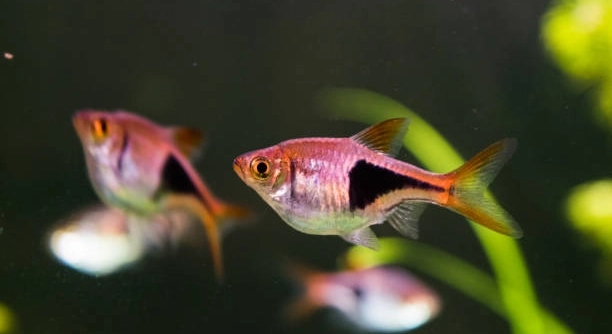
Rasboras are small, lively fish often found in home aquariums. Their behavior can be fascinating to watch, especially when they seem to focus on something intently. Understanding these moments helps deepen the connection between owner and pet.
Rasboras exhibit watching behavior as a natural response to environmental stimuli. This attentive gaze helps them detect potential food, recognize movement, or identify threats. Such behavior indicates their alertness and engagement within their habitat, contributing to their survival and well-being.
Recognizing these clues can enhance your experience as a fish keeper and improve the care you provide to your rasboras. The signs they show reveal much about their world beneath the water’s surface.
How Rasboras Focus Their Attention
Rasboras focus their attention using their keen eyesight. When they spot movement or something new in their tank, their eyes lock on quickly. This could be a small insect, a reflection, or even a change in water flow. Watching carefully helps them decide if it’s food or a potential danger. Their bodies often stay still while their eyes move, showing they are alert. This behavior is natural and shows their survival instincts at work. Sometimes, they watch their owner approaching the tank or any activity nearby. This focus helps them learn about their surroundings and react appropriately. It’s common to see a group of rasboras watching the same spot, especially if they sense something interesting or unusual. Their watchfulness is part of how they communicate and stay safe in their environment.
Rasboras’ focused gaze is a key survival trait and shows their alertness in the aquarium environment.
Noticing how your rasboras fix their gaze can improve your understanding of their behavior. Watching this attentiveness helps you gauge their comfort and health. When they are calm but alert, it means they feel secure but ready to respond to changes. This reaction is a sign of a healthy fish with a good environment. Observing these clues also helps you spot when something is wrong, such as stress or illness. By paying attention to their watching habits, you can adjust tank conditions or feeding routines. This simple awareness can make a big difference in maintaining a thriving aquarium. Understanding their behavior encourages a deeper appreciation of these lively fish and how they interact with their home.
Signs Rasboras Are Watching Something
Rasboras show several clear signs when they are watching something carefully. They often stop swimming and hover in place, eyes fixed on one spot. Their fins might twitch slightly, and their bodies become tense but still. Sometimes they swim closer to the object or area of interest to get a better look. They may also gather in groups, focusing on the same spot, showing a shared curiosity or alertness. These behaviors signal that they have noticed something important or unusual.
These signs indicate heightened awareness and readiness to react to stimuli in their environment.
When rasboras exhibit these behaviors, it usually means they are processing new information. This can be a harmless change, like a new decoration in the tank or a sudden shadow. It might also mean they detect potential prey, such as tiny insects or food particles. Watching closely helps them decide whether to explore, eat, or hide. Their social nature means they often communicate through these visual cues, alerting each other to changes. Understanding these signs can help you manage their environment better, ensuring they stay comfortable and stress-free. Providing a stable, well-maintained habitat encourages natural watching behavior without causing unnecessary stress or fear. Recognizing these signs also makes feeding times more engaging, as you can tell when your fish are truly attentive.
What Triggers Rasboras’ Watching Behavior
Rasboras react to sudden movements or changes in light within their environment. These triggers catch their attention instantly. Even small ripples or reflections can cause them to focus sharply on one spot. This reaction is instinctive and keeps them alert.
Sudden disturbances like tapping on the glass or nearby movement naturally draw rasboras’ gaze. Changes in lighting, such as shadows or shifting brightness, also stimulate their attention. These fish rely heavily on visual cues to detect food or threats. Their sharp eyesight allows them to pick up even minor details. When the environment is stable and quiet, their watching behavior is calmer and less frequent. Understanding these triggers can help in creating a comfortable tank setting that minimizes stress. It also explains why they might suddenly stop and stare during your routine aquarium maintenance or when other pets pass by.
This focus on stimuli ensures rasboras stay aware and react quickly to any potential danger or opportunity, helping them survive and thrive.
How Rasboras Communicate Through Watching
Rasboras use watching behavior as a form of non-verbal communication with each other. When one fish fixes its gaze, others often follow, signaling interest or alertness. This shared attention strengthens group cohesion.
By observing each other’s focus, rasboras can warn about possible threats or indicate food presence. This synchronized watching helps the group act together, whether to escape or explore. Such communication reduces stress by keeping the school connected and informed. It also supports their social nature, as they rely on visual cues to coordinate movements. Watching becomes a silent language that balances curiosity and caution. When rasboras suddenly fix their eyes, it’s a way of sharing important information without making noise. This behavior is a key part of how they interact within their environment and maintain safety in numbers.
Common Objects Rasboras Watch
Rasboras often focus on moving plants, floating debris, or bubbles in the tank. These objects catch their attention due to movement or unusual shapes. Their curiosity helps them explore their environment safely.
Reflections on the glass or shadows caused by lighting changes also attract their gaze. These visual cues stimulate their natural alertness and keep them engaged.
How Feeding Times Affect Watching Behavior
Feeding time is a prime moment when rasboras watch closely. They become alert and fix their gaze on food sources or the person feeding them. This behavior shows their anticipation and hunger. Watching carefully helps them spot and catch food quickly. Their attention sharpens, and they may swim closer to the surface or the feeding spot. This intense focus makes feeding an engaging interaction. It also reinforces their trust in the environment and routine. Understanding this helps keep feeding stress low and encourages healthy eating habits.
Watching and Tank Environment
A well-maintained tank reduces unnecessary watching caused by stress. Clear water and stable conditions keep rasboras calm and attentive.
Watching often increases if water quality drops or the tank is overcrowded, signaling discomfort.
FAQ
Why do rasboras stare at me?
Rasboras often watch their owner because they notice movement outside the tank. Their sharp eyes catch your approach or hand movements. This behavior is a mix of curiosity and caution. They are trying to understand if you bring food or if there is any threat. It is a natural response to something new in their environment. Over time, they may recognize you and feel more comfortable, making this watching a part of their daily routine.
Is it normal for rasboras to watch the same spot for a long time?
Yes, it is normal. When rasboras fix their gaze on one spot, they might have detected something interesting like a small particle or shadow. Sometimes they focus on reflections or bubbles, which stimulate their natural alertness. This behavior helps them decide if they need to investigate further or stay cautious. Long watching does not mean stress if they appear calm and continue normal swimming afterward.
Can rasboras see reflections of themselves in the tank glass?
Rasboras can see reflections, but they usually don’t mistake them for other fish. Instead, they may watch these reflections as part of their environment. Sometimes, reflections can confuse or intrigue them, causing the fish to watch the same spot repeatedly. This is typical behavior in many fish species and is generally harmless unless it causes stress. Adjusting lighting or tank positioning can reduce distracting reflections.
Do rasboras watch other fish in the tank?
Rasboras do watch other fish, especially those sharing their space. They pay attention to movements and behavior of tank mates to maintain group harmony and detect potential threats. Watching helps them stay aware and communicate non-verbally. This social behavior is common in schooling fish like rasboras and helps them coordinate movements and stay safe.
What does it mean when rasboras stop swimming and watch quietly?
When rasboras stop swimming and focus intently, it means they are alert and assessing their surroundings. This quiet watching shows they are paying close attention to something new or unusual. It could be a potential food source, movement outside the tank, or a change in their environment. This stillness allows them to react quickly if needed, balancing curiosity with caution.
Can watching behavior indicate stress in rasboras?
Watching alone does not always indicate stress, but if combined with other signs like erratic swimming, hiding, or loss of appetite, it may signal discomfort. Stress causes heightened alertness, so increased watching could be part of that. Maintaining clean water, proper tank size, and peaceful tank mates helps reduce stress and keeps watching behavior healthy and natural.
How can I encourage positive watching behavior?
Provide a stable and stimulating environment with plants, hiding spots, and gentle lighting. Regular feeding routines and minimal sudden disturbances help rasboras feel secure. Watching behavior is positive when it shows alertness without stress. Avoid tapping on the glass or making loud noises, as these cause unnecessary stress and can make the fish overly watchful or frightened.
Do rasboras watch in groups or alone?
Rasboras are schooling fish, so they usually watch in groups. When one fish becomes alert, others often join, focusing on the same point. This group attention helps them share information and stay safe. Watching together is part of their social behavior and strengthens their bond within the school.
Can watching behavior help in training or interaction?
Yes, watching shows that rasboras are aware and interested in their environment, which can be used during feeding or tank cleaning. Fish that watch closely often recognize feeding times or respond to gentle hand movements. This attentiveness helps build a connection between you and your fish, making routine care easier and more engaging.
What should I do if my rasboras watch but don’t eat?
If rasboras watch but don’t eat, it could mean they are stressed, sick, or the food offered is not appealing. Check tank conditions and ensure the food is fresh and suitable. Sometimes, fish watch food but hesitate if they feel unsafe or if the tank environment is off balance. Observing other behaviors and water parameters helps determine the cause. Adjusting feeding times and environment can encourage better eating habits.
Rasboras are naturally curious and alert fish, and their watching behavior is an important part of how they interact with their environment. Observing these moments of focus can tell us a lot about what is happening in their tank and how they are feeling. When rasboras watch something intently, it usually means they are responding to changes, searching for food, or keeping an eye out for potential threats. This behavior is healthy and shows that the fish are aware and engaged. It is a good sign that their senses are working well and that they are active members of their aquarium community.
Understanding why rasboras watch certain things helps improve how we care for them. Knowing that sudden movements, reflections, or changes in lighting can attract their attention means we can create a calmer tank environment. This reduces stress and encourages natural behavior. Watching can also be a way rasboras communicate with each other and stay connected within their group. Recognizing these social signals allows us to better support their needs and keep their habitat comfortable. Paying attention to the clues in their behavior makes fishkeeping more rewarding and can lead to healthier, happier fish.
Watching behavior is one of many ways rasboras express themselves. It reflects their instincts and helps them stay safe and aware. As caretakers, noticing these signs can help us spot when something is wrong or when the fish are feeling secure. Maintaining good water quality, stable conditions, and providing stimulation like plants or hiding spots all encourage positive watching without causing stress. By respecting their natural tendencies, we can create an environment where rasboras thrive. These small fish have much to show us if we take the time to observe and understand their quiet, watchful moments.

Hello,
If you enjoy the content that we create, please consider saying a "Thank You!" by leaving a tip.
Every little bit helps us continue crafting quality advice that supports the health, happiness, and well-being of pets around the world, for pets of all shapes, sizes, and species.
We really appreciate the kindness and support that you show us!