
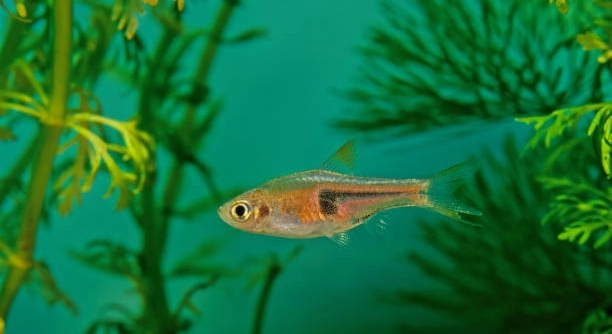
Rasboras are small, lively fish often kept in home aquariums. They have curious behaviors and sometimes interact with different objects or tank mates. Understanding what they might try to engage with can improve their care.
Rasboras may try to interact with plants, tank decorations, other fish, their reflections, food particles, bubbles, and even the aquarium glass. These interactions reflect their natural curiosity and social nature within their environment.
Knowing these common points of interest helps create a more stimulating and comfortable habitat for your rasboras to thrive.
Plants and Tank Decorations
Rasboras often swim around plants and decorations in their tank. These provide hiding spots and places to explore, which keep the fish active and comfortable. Live plants are especially popular because they offer natural cover and improve water quality. Rasboras may nibble gently on soft plant leaves or hover near them. Artificial decorations, like caves or small structures, give them places to dart in and out, mimicking natural shelters. These objects help reduce stress by breaking up open swimming space. Watching rasboras explore these areas can be calming and shows their natural behavior. It’s important to choose safe decorations without sharp edges to prevent injury. Also, plants need proper care to thrive and continue benefiting the fish. Keeping the tank environment varied encourages healthy activity and prevents boredom for rasboras.
Plants and decorations are key to a healthy, engaging environment for rasboras. They enhance both comfort and stimulation.
Creating a tank with plenty of plants and safe decorations helps rasboras feel secure. They enjoy weaving through leaves and hiding in small spaces. Live plants also assist with water quality by absorbing nitrates. Decorations add visual interest and places for the fish to interact, making their habitat more natural and dynamic. When selecting plants, consider those that grow well underwater and do not require excessive maintenance. Decorations should be smooth and sized appropriately to avoid trapping the fish. A well-planned setup encourages rasboras to be active and reduces stress, promoting better health and longevity.
Interactions with Other Fish
Rasboras often engage with tank mates through swimming patterns and social behaviors. They usually prefer peaceful fish and enjoy schooling with others of their kind.
Social interaction is important for rasboras. They use movement and proximity to communicate and feel secure within their group.
In a community tank, rasboras will swim together in groups to maintain safety and reduce anxiety. They rarely show aggression but may chase smaller or slower fish playfully. Their schooling behavior is a natural defense mechanism that also helps them find food and navigate their environment. Introducing compatible species encourages positive interaction and a lively tank atmosphere. It’s best to avoid overly aggressive or much larger fish that could intimidate or harm them. Observing how rasboras relate to other fish provides insight into their social needs and helps maintain a peaceful aquarium balance.
Reflections and Aquarium Glass
Rasboras sometimes interact with their reflections in the aquarium glass. This happens when lighting and angles create clear mirror images.
They may mistake their reflection for another fish, leading to curious or cautious behavior. Some rasboras might try to swim alongside or even chase the reflection, while others may show signs of stress. This reaction depends on individual temperament and tank conditions. If reflections become too frequent or intense, it can cause unnecessary agitation. Adjusting lighting or adding background decor can reduce this effect and help the fish feel more secure. Regular observation helps identify if reflections impact their well-being.
The aquarium glass itself also attracts rasboras. They might rub against it lightly or follow movements outside the tank. This behavior can be linked to curiosity or an attempt to explore beyond their environment. Maintaining clean, clear glass encourages healthier interactions and better visibility for both fish and owner.
Food Particles and Bubbles
Food particles drifting in the water catch the attention of rasboras quickly. They actively chase and nibble on small bits as part of their feeding behavior.
Floating or sinking food pieces stimulate their natural hunting instincts, keeping them engaged. They often dart around to catch flakes or pellets, which helps maintain their energy and health. Feeding time is a good chance to observe these interactions and ensure all fish get enough nutrition. Overfeeding should be avoided to prevent water quality issues.
Bubbles produced by filters or air pumps also intrigue rasboras. They may swim through or investigate rising bubbles, which provides some mental stimulation. The gentle movement of bubbles adds oxygen to the tank and creates a lively environment. However, excessive bubbles or strong currents can stress the fish, so flow should be balanced carefully. Proper equipment setup supports both their curiosity and comfort.
Tank Mates
Rasboras often interact with other peaceful fish in the aquarium. They enjoy swimming together and sharing space without conflict.
Choosing compatible tank mates helps maintain a calm environment. Aggressive species can stress rasboras and disrupt their natural behavior.
Light and Shadows
Light changes and shadows in the tank catch rasboras’ attention. They may swim toward or away from shifting patterns.
These responses are linked to their instinct to avoid predators and find shelter. Lighting adjustments can influence their activity and comfort levels.
Water Surface
Rasboras sometimes explore the water surface, especially during feeding. They may nibble on floating food or investigate surface movement.
The surface provides access to air and food particles but should remain calm to avoid stressing the fish. Gentle water movement supports healthy behavior.
What do rasboras like to interact with the most?
Rasboras show the most interest in plants and other fish. They enjoy swimming through leafy areas and staying close to their tank mates. These interactions provide safety and reduce stress. Plants offer hiding spots and something to explore, while tank mates encourage natural schooling behavior. Decorations and food particles also draw their attention, but plants and social groups seem to be the most engaging for them overall.
Can rasboras get stressed by their reflections?
Yes, reflections can stress rasboras if they perceive their own image as a rival. This can cause chasing or aggressive behavior, which is not healthy over time. If you notice this, adjusting tank lighting or adding background materials can reduce reflections. Providing plenty of hiding spots also helps the fish feel secure and lowers stress from reflections or other disturbances.
How do bubbles affect rasbora behavior?
Bubbles created by filters or air stones usually attract rasboras’ curiosity. They might swim through or near bubbles, which can stimulate their senses and add interest to the tank. However, if bubbles or water flow are too strong, it can cause stress or make swimming difficult. Properly balanced filtration and gentle bubbles create a comfortable and lively environment for them.
Do rasboras interact with aquarium glass?
Rasboras sometimes rub or swim near the glass out of curiosity. They might also follow movements outside the tank or their own reflection. Clean, clear glass encourages healthy interactions, but excessive reflection or dirt buildup can confuse or stress them. Regular cleaning and reducing strong reflections help maintain a calm tank environment.
What kind of tank mates are best for rasboras?
Peaceful, similarly sized fish make the best tank mates for rasboras. They prefer calm companions that do not compete aggressively for food or territory. Avoid large or aggressive species, as they can intimidate or harm rasboras. Good tank mates include small tetras, danios, and peaceful bottom dwellers that share similar water needs.
How do lighting and shadows influence rasbora activity?
Rasboras respond to changes in light and shadow by adjusting their swimming patterns. Sudden shadows may cause them to hide or move cautiously, as this mimics predator presence. Consistent, moderate lighting helps keep them active and comfortable. Too bright or flickering lights can cause stress, while dim lighting might reduce activity levels.
Why do rasboras swim near the water surface?
Swimming near the surface is common when rasboras search for floating food or oxygen. They naturally explore the upper layers, especially during feeding times. However, if they spend excessive time at the surface gasping, it might indicate low oxygen levels. Proper aeration and gentle water movement ensure they can comfortably access food and oxygen without stress.
Can rasboras recognize their owners or outside movements?
Rasboras do react to movements outside the tank, including their owner’s presence. They may become more active or curious when someone approaches, especially during feeding time. While they don’t recognize individuals like some pets, they do associate certain activities, like approaching hands or feeding tools, with positive experiences. This interaction can be enjoyable to watch and helps build routine care.
Rasboras are small but curious fish that enjoy interacting with many parts of their environment. They are drawn to plants, decorations, other fish, and even their reflections. Each of these interactions shows how active and aware they are in their tank. Providing a varied and safe environment helps keep them healthy and happy. It is important to choose the right plants and decorations, and to keep the tank clean and well-maintained. This not only improves their comfort but also encourages natural behaviors that are good for their wellbeing.
Social behavior plays a big role in how rasboras interact with their surroundings. They prefer to live with other peaceful fish and enjoy swimming in groups. This schooling behavior reduces stress and makes them feel safer. Keeping compatible tank mates and avoiding aggressive species is key to maintaining a calm and balanced aquarium. Observing how rasboras respond to their tank mates and environment helps identify any problems early. Adjusting lighting, water flow, or tank layout can improve their comfort if needed.
Overall, paying attention to what rasboras like to interact with is helpful for anyone caring for these fish. Understanding their behavior leads to better tank setups and happier fish. Small changes in their environment can make a big difference. Watching rasboras explore plants, chase food particles, or swim near bubbles reminds us how lively and engaging these fish can be. When their needs are met, rasboras thrive and bring enjoyment to any aquarium owner.

Hello,
If you enjoy the content that we create, please consider saying a "Thank You!" by leaving a tip.
Every little bit helps us continue crafting quality advice that supports the health, happiness, and well-being of pets around the world, for pets of all shapes, sizes, and species.
We really appreciate the kindness and support that you show us!