
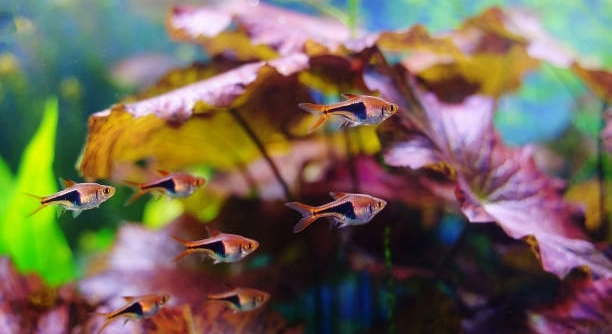
Do your rasboras suddenly scatter around the tank, leaving you confused and concerned about their sudden change in behavior? You’re not alone—many fishkeepers have experienced this sudden, puzzling shift in their rasbora’s calm routine.
Rasboras may suddenly scatter due to sudden changes in their environment, such as loud noises, rapid water parameter shifts, or the presence of aggressive tankmates. These stress triggers can cause them to panic and dart unpredictably.
Learning what triggers this reaction can help you create a calmer environment for your rasboras and avoid unwanted stress in the future.
Sudden Movement Can Trigger Panic
Rasboras are sensitive to fast or unexpected movement, especially near their tank. If someone walks by quickly, taps on the glass, or waves a hand too close, the fish may react by scattering in all directions. They see sudden movement as a threat, which is a natural instinct for prey animals. Even harmless actions like feeding too fast or doing a quick water change can make them feel unsafe. This kind of stress response doesn’t always last long, but frequent triggers can cause them to stay anxious. Keeping your movements calm and steady near the tank can help them feel safer. Over time, they may become more used to your presence and react less strongly. But if you notice them scattering often, it’s worth paying attention to what’s happening around them during those moments.
Many fishkeepers notice more panic behavior when kids play near the tank or when a pet passes by suddenly.
Rasboras usually calm down quickly after the trigger is gone, but it helps if the tank has plants, rocks, or other hiding spots. These give the fish a place to retreat and feel secure. Without cover, their stress may last longer, and it might lead to other problems like poor appetite or even illness.
Water Conditions Matter
Rasboras are sensitive to even slight changes in water quality. A small shift in temperature or pH can lead to noticeable behavior changes.
Keeping the tank stable is one of the best ways to prevent stress-related behavior. When ammonia, nitrite, or nitrate levels rise even slightly, rasboras may become more skittish. The same goes for water that’s too warm or cold, or when pH swings too far from their usual range. A reliable heater, regular water tests, and gentle water changes can help reduce these issues. Try to avoid large, sudden changes in the tank, like replacing too much water at once or adding new fish without proper acclimation. Rasboras thrive best in calm, clean environments with consistency. If you recently cleaned the tank or added a new decoration and noticed more scattering, it might be because the balance shifted too quickly. Observing your rasboras closely can help you spot changes early and respond before stress builds up.
Aggressive Tankmates Can Cause Stress
Even one aggressive tankmate can make rasboras feel unsafe. If a faster or nippier fish constantly chases or startles them, they may scatter often and avoid open areas of the tank altogether.
Some fish don’t mean harm but are too active or dominant for rasboras. Species like barbs or certain types of tetras may stress them without direct aggression. Over time, this constant pressure affects how rasboras behave—making them more jittery, reducing their appetite, or keeping them from swimming freely. If you’ve noticed more scattering, take a closer look at who’s in the tank with them. Watching interactions during feeding or quiet hours can reveal a lot. If needed, consider rehoming or separating certain fish to keep the tank peaceful.
Adding more rasboras can sometimes help, too. In larger groups, they feel safer and are less likely to panic. A school of at least six is ideal, but more is even better.
Lighting and Reflection Issues
Bright or sudden lights can easily startle rasboras. They prefer gentle lighting and get spooked if the lights turn on or off too quickly. Reflections on the glass can also confuse them and make them dart around.
Strong lights and shiny glass can create reflections that rasboras mistake for other fish, or even threats. This can lead to sudden scattering, especially if the tank is in a room with lots of windows or reflective surfaces. Try reducing direct light from windows or using a background on the back and sides of the tank. You can also place the light on a timer with a gradual on/off feature. If your rasboras tend to scatter more at certain times of day, check for light changes or reflections around the tank. Simple changes like adjusting the light angle or adding floating plants to dim the brightness can make a big difference in keeping your fish calm.
Tank Rearrangement Can Disrupt Behavior
Changing decorations, plants, or the layout of the tank can confuse rasboras and make them feel exposed. When their usual hiding spots are gone, they may react by scattering more often or sticking to corners.
Even small changes can make them feel unsure. Give them time to adjust slowly.
Loud Sounds and Vibrations
Rasboras can pick up on loud noises and tank vibrations, especially from slamming doors, speakers, or nearby appliances. These sudden sounds may startle them and trigger panic behavior. Keep the tank in a quieter space and avoid sudden noise near their setup when possible.
FAQ
Why do my rasboras scatter suddenly even when everything looks fine?
Sometimes, rasboras react to small things that are hard to notice. It could be a tiny change in water temperature, a new noise, or reflections on the glass. They are sensitive fish and easily startled by subtle shifts in their environment. Watching the tank closely during these moments can help identify what’s causing their stress.
How can I reduce my rasboras’ panic reactions?
Keeping the tank environment stable is key. Avoid sudden movements near the tank, maintain consistent water conditions, and limit loud noises around the aquarium. Adding plenty of plants and hiding spots gives them security. A larger group of rasboras also helps them feel safer and reduces their fear responses.
Is it normal for rasboras to scatter sometimes?
Yes, occasional scattering is normal. It is their natural way of reacting to perceived threats. However, if it happens frequently or lasts for a long time, it can indicate stress or poor tank conditions that need attention.
Can adding more rasboras help stop sudden scattering?
Yes. Rasboras are schooling fish and feel safer in groups. Having at least six or more helps them relax and move calmly. A larger school lowers the chances of panic and sudden darting behavior.
Could tankmates cause my rasboras to scatter?
Absolutely. Aggressive or very active fish may scare rasboras. Even non-aggressive but faster fish can stress them out. Observing interactions can show if other fish cause anxiety. Separating or rehoming aggressive tankmates might be necessary.
Does lighting affect rasbora behavior?
Bright or flickering lights can startle rasboras and cause scattering. Reflections on the glass can confuse them, making them think there are intruders. Using soft lighting and reducing reflections by placing a background or repositioning the tank can help.
Why do rasboras scatter more during water changes?
Water changes can cause sudden shifts in temperature, pH, or water flow. Rasboras notice these quickly and may panic. Doing partial water changes slowly and carefully can reduce this stress.
Can loud noises outside the tank really affect my fish?
Yes, rasboras can sense vibrations and loud sounds. Noises like door slams, vacuum cleaners, or loud music can startle them. Placing the tank in a quiet area reduces these disturbances.
What should I do if my rasboras never seem to settle down?
First, check water parameters carefully and make sure conditions are stable. Look for aggressive tankmates or stressful environmental factors. Adding plants and hiding places helps. If they still seem anxious, consulting a fish care specialist may be a good step.
How long does it take for rasboras to adjust after a change?
It varies, but generally rasboras take a few days to a couple of weeks to settle after changes like tank rearrangement, new fish, or water parameter shifts. Patience and steady care are important during this time.
Rasboras are delicate and sensitive fish that rely heavily on a calm and stable environment to feel safe. When they suddenly scatter, it usually signals that something in their surroundings has changed or unsettled them. This reaction is their natural way of protecting themselves from potential threats. Understanding the common reasons behind this behavior can help you provide better care for your rasboras. Factors such as sudden movements, aggressive tankmates, changes in water quality, or strong lighting can all make these fish feel nervous and cause them to dart around the tank unexpectedly.
Keeping the tank environment steady and comfortable is one of the best ways to reduce stress for rasboras. Avoid quick or abrupt actions near the tank, keep water parameters consistent, and minimize loud noises or vibrations. Providing plenty of hiding spots with plants or decorations can help rasboras feel secure. It is also helpful to keep them in groups since they are schooling fish that naturally feel safer with others of their kind. When rasboras are relaxed and content, they display smoother, calmer swimming and interact more normally with their tankmates. Observing their behavior carefully over time can alert you to any problems before they become serious.
Remember, rasboras’ sudden scattering is a sign to look closer at their environment and daily care. Taking steps to create a peaceful, predictable home for them goes a long way in keeping them healthy and happy. Changes should be made slowly and thoughtfully to allow them time to adjust. If problems persist despite your efforts, seeking advice from experienced fishkeepers or aquatic specialists can offer additional guidance. With patience and attention, your rasboras can thrive in a comfortable tank where they feel safe and secure.

Hello,
If you enjoy the content that we create, please consider saying a "Thank You!" by leaving a tip.
Every little bit helps us continue crafting quality advice that supports the health, happiness, and well-being of pets around the world, for pets of all shapes, sizes, and species.
We really appreciate the kindness and support that you show us!