
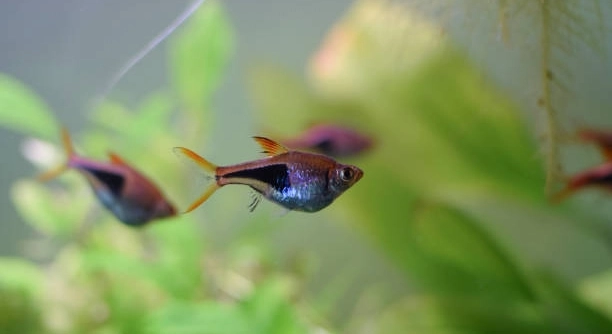
Are your rasboras often swimming in a tight group, moving together like they’re following someone? You’re not alone in noticing this curious behavior. Many fish owners observe it but aren’t quite sure what it really means.
Rasboras following a leader is a natural schooling behavior that helps them stay safe, navigate efficiently, and reduce stress. This social pattern is often led by a dominant or confident fish, which influences the group’s direction and pace.
Understanding these subtle movements can help you care for your rasboras more effectively and notice signs of comfort or stress within the group.
Sign 1: One Rasbora Always Swims in Front
In many tanks, one rasbora often positions itself at the front of the group during movement. This fish tends to guide the rest, with others adjusting their direction and pace to match. It’s not necessarily the largest or the most colorful rasbora, but it usually displays confident swimming behavior. This kind of leadership helps the group stay together and avoid confusion. It’s a sign of healthy social structure and comfort in the environment. A fish that takes on this role consistently might be more dominant or simply more experienced in navigating the tank setup.
A rasbora that often swims ahead is not acting randomly—it’s part of natural schooling behavior that brings the group stability.
Watching for this pattern helps you spot which fish has gained the trust or attention of the others. It also means your tank setup likely supports schooling behavior, which is good for their well-being.
Sign 2: The Group Changes Direction Instantly
If your rasboras shift direction at the same time, they are following subtle signals, likely from one leading fish.
In a tank, rasboras often make rapid, synchronized turns. This movement can seem sudden, but it’s actually very controlled. The fish leading the group changes direction, and the rest respond almost instantly. This isn’t just for show—it’s how they stay safe in the wild, avoiding predators and obstacles together. In your tank, it can mean they feel secure and are acting naturally. When one rasbora starts a shift, others rely on visual and movement cues to follow without delay. You might also notice that they avoid bumping into each other, a sign of clear communication and spacing. This behavior also reflects that your rasboras are alert, healthy, and have good group cohesion. A breakdown in this pattern could suggest stress or illness, but when it’s happening smoothly, it’s a great sign of harmony in the tank.
Sign 3: The Group Pauses When One Fish Stops
When the leading rasbora pauses, the others often hover or slow down instead of continuing alone. This behavior shows trust in the lead fish and a strong group connection.
This pause-and-follow habit is often seen when the lead fish senses a change in the environment, such as a new object or light shift. The group waits until the leader feels it’s safe to continue. It’s not just about copying—it’s about group safety. In a well-settled tank, this behavior reflects comfort and strong social interaction. The fish rely on each other to decide when it’s okay to move or stay still. If this pattern is missing, your rasboras might be feeling unsettled or unsafe.
Consistent group pauses also mean your rasboras have identified a reliable leader. They naturally look for guidance from this fish, using it as a signal for when to move or wait. It keeps the school synchronized and helps avoid chaos in a shared space.
Sign 4: One Fish Often Investigates First
You might notice one rasbora approaches new objects or areas in the tank before the others. This leader usually investigates first, then the rest of the group slowly follows behind once it appears safe.
This behavior is tied to the rasboras’ natural instincts. In the wild, staying hidden and moving in sync protects them from harm. The lead fish’s curiosity benefits the group, allowing others to stay back until the situation is assessed. When that leader swims up to a plant or corner of the tank, the others observe before following. This cautious approach helps avoid unnecessary stress. It also shows which fish the group looks to for signals. If one rasbora consistently plays this role, it may have a calm temperament or strong social position. Encouraging this behavior with stable water quality and a calm setting helps them maintain a sense of safety and social balance.
Sign 5: The Group Reacts to One Fish’s Sudden Movements
If one rasbora darts away quickly, the others usually respond by swimming off in the same direction. This shows they are watching and following one specific fish closely.
It’s not just random panic—this reaction means they trust that fish’s instinct. The group relies on fast visual cues to stay safe.
Sign 6: The Same Fish Eats First During Feeding
During feeding time, one rasbora may consistently reach the food first while the others follow a moment later. This behavior suggests a natural leader that’s confident in approaching food and possibly more dominant. It also helps the group decide when and where it’s safe to feed.
Sign 7: The Group Regroups Around One Fish
After scattering, rasboras often regroup by finding one specific fish and forming around it. This helps maintain order and reduces stress.
FAQ
Do rasboras always follow a leader in every tank?
Not always. While rasboras are known for their schooling behavior, they don’t automatically follow a leader in every setup. The presence of a leader depends on how comfortable and secure they feel in their environment. If the tank is too small, overcrowded, or lacks hiding spots, the fish may act unpredictably or fail to form a clear group. But when conditions are right—calm water, enough space, stable lighting—rasboras often form a natural school, and one fish may naturally become the one others follow. It’s part of how they stay safe and organized.
Can the leader fish change over time?
Yes, the leader can change. Leadership in rasbora schools isn’t fixed forever. If the lead fish becomes sick, stressed, or removed from the tank, another rasbora usually takes its place. Sometimes, a younger fish grows more confident and slowly starts to take the lead. Changes in the tank, like rearranging plants or adding new fish, can also affect which rasbora the group follows. Observing who the group follows over time can help you understand how your rasboras are adjusting to their space and whether the school is feeling calm and secure.
Is it bad if there’s no clear leader?
Not necessarily. While having a clear leader helps the group stay coordinated, some rasbora groups act more equally. They might take turns reacting to things or shifting positions without one fish always taking charge. This can still be normal, especially in a tank with just a few rasboras. However, if they seem scattered or nervous all the time, it might be a sign they don’t feel safe or settled. In that case, check your water quality, tank size, and decorations to see if changes could help them relax and return to their natural schooling behavior.
How many rasboras should be in a school for this behavior to show?
Rasboras show the most natural schooling behavior when kept in groups of at least six. In smaller groups, they may become timid, stressed, or more solitary. A larger group helps them feel protected and allows you to observe patterns like following a leader or moving in sync. If possible, aim for eight to ten rasboras, especially in a longer tank where they can swim freely. With enough numbers, they’re more likely to pick up on social cues and organize themselves into a group with clear movement and structure.
Does the leader fish act differently outside of swimming?
Yes, the leader may act differently during other moments too. It’s often the first to explore new tank features, swim through open spaces, or start eating. It may also be slightly more active or confident around tank mates. These traits don’t mean the fish is aggressive—it just feels more secure and influences the behavior of others. However, if it becomes overly pushy or guards certain spots, it could be a sign of dominance. Watching these behaviors helps you understand your fish better and decide if your setup supports balanced group dynamics.
Can I encourage natural leadership behavior in my rasboras?
You can support it by creating a calm, stable environment. Use a tank long enough for schooling, add plenty of live plants or décor for hiding, and avoid sudden changes in lighting or water quality. Feed them on a regular schedule and avoid adding fish that chase or stress them. When rasboras feel safe and secure, they start to behave more naturally, and leadership roles tend to form on their own. It’s not something you can force, but the right setup makes it easier for the school to establish a healthy social structure.
Final Thoughts
Watching rasboras swim in a group can be both calming and fascinating. When they follow a leader, it shows that your tank is likely supporting their natural behavior. These tiny movements and group patterns might seem simple, but they reflect something deeper—your fish feel safe, settled, and socially connected. A tank that allows rasboras to move together, pause, and regroup shows that the space is well-balanced for their needs. If one fish often leads and others respond, it means their social signals are working well. You don’t need fancy equipment to encourage this, just a setup that supports calm, steady living.
Not every rasbora school will act the same. Some might have one clear leader, while others may shift roles more often. This can depend on many things, like how many rasboras you have, what the tank setup looks like, or even how often the environment changes. The key is to look for patterns. If the group stays close, moves in sync, and reacts calmly, that’s usually a sign they’re doing well. On the other hand, scattered swimming, stress signs, or aggressive chasing can point to something being off in the tank. Simple changes—like adding more hiding spaces, improving water flow, or adjusting lighting—can make a big difference.
If you’re new to keeping rasboras, these behaviors might take a little time to notice. But as you spend more time watching them, the signs become clearer. You start to notice which fish moves first, which one explores more, or how the group responds to changes. These quiet details are what make keeping rasboras so rewarding. They may be small, but their group dynamics are rich and full of meaning. Paying attention to how they follow each other helps you care for them better. It also reminds you that even simple animals have strong social needs. Supporting these needs doesn’t take much—just some patience, the right number of fish, and a peaceful setup. Over time, your rasboras will show you when they’re comfortable, and that’s when their true nature shines through.

Hello,
If you enjoy the content that we create, please consider saying a "Thank You!" by leaving a tip.
Every little bit helps us continue crafting quality advice that supports the health, happiness, and well-being of pets around the world, for pets of all shapes, sizes, and species.
We really appreciate the kindness and support that you show us!