
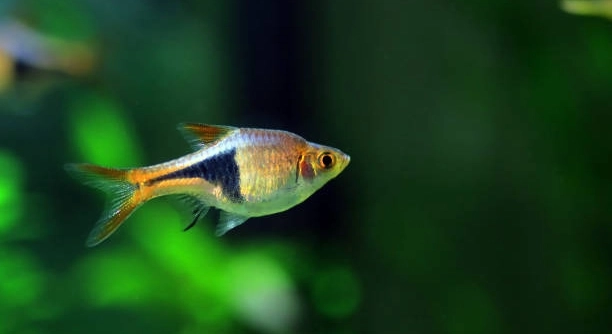
Rasboras are popular small fish often kept in home aquariums. They thrive in stable, moderate water temperatures. When their environment becomes too hot, their health and behavior can change in noticeable ways.
When rasboras experience excessively high water temperatures, their metabolism speeds up, causing stress and reducing oxygen availability. This leads to lethargy, weakened immune systems, and increased risk of disease or death if conditions persist.
Recognizing these signs early helps maintain a healthy tank environment for your rasboras’ wellbeing.
Signs That Rasbora Are Too Hot
When the water temperature rises too much, rasboras start showing clear signs of distress. They may swim sluggishly or hide more than usual. You might notice them gasping near the water surface, trying to get more oxygen. Their colors can fade, and they may stop eating altogether. Sometimes, their fins appear clamped or torn, which is a sign of stress. These behaviors indicate that the fish are uncomfortable and their environment is not ideal.
High temperatures lower the oxygen level in the water, which directly affects the fish’s breathing. Rasboras need well-oxygenated water to stay healthy.
It’s important to monitor your tank’s temperature regularly, especially during warmer months. Using a reliable thermometer and adjusting the heater settings can prevent heat-related issues. Proper aeration, like adding air stones or filters, helps increase oxygen levels. Maintaining cooler water within the ideal range keeps rasboras active and vibrant.
How to Cool Down a Tank
Cooling a tank quickly is key when temperatures rise unexpectedly. A simple method is to turn off the heater and increase air circulation around the tank. Placing a fan near the tank helps lower the water temperature by evaporative cooling. Adding frozen water bottles or ice packs wrapped in a cloth can reduce heat temporarily. Always avoid sudden temperature drops, as they can shock the fish.
Gradual cooling combined with good tank maintenance keeps rasboras safe. In the long term, positioning the tank away from direct sunlight and heat sources is the best way to keep temperatures steady.
Preventing Heat Stress in Rasboras
Keeping water temperature stable is essential for rasboras. Using a reliable heater with a thermostat helps maintain the right range. Aim for temperatures between 72°F and 79°F (22°C to 26°C), which suit most rasbora species.
Regular tank checks make a big difference. Test water temperature daily, especially during seasonal changes. Ensure good water circulation with filters and aerators to keep oxygen levels steady. Avoid placing the tank near windows or heaters where sunlight or room heat can raise the temperature. Using plants in the tank also provides shade and natural cooling. Taking these steps prevents heat stress and helps your rasboras stay healthy and active.
In hotter climates, extra care is needed. You might need to invest in a cooling system designed for aquariums. Even simple measures like closing curtains or turning off nearby lights can reduce heat. Proper maintenance of the tank environment supports your fish’s well-being, reducing risks linked to temperature spikes.
Effects of Prolonged Heat Exposure
Long-term exposure to high temperatures weakens rasboras’ immune systems. This makes them vulnerable to infections and parasites. Stress from heat can also reduce breeding success and shorten their lifespan. Behavioral changes become more obvious, including erratic swimming or hiding more often.
The water chemistry shifts when temperature rises, leading to lower oxygen and increased toxins. These conditions put extra strain on the fish’s health. It’s common to see physical signs like faded color and damaged fins. Without intervention, prolonged heat exposure can result in serious illness or death. Monitoring and controlling tank conditions regularly helps avoid these outcomes and ensures your rasboras thrive.
How Heat Affects Rasbora Behavior
Rasboras become less active when the water gets too warm. They may rest near the surface more often or hide in shaded areas. Their normal schooling behavior can break down as stress increases.
Overheating causes erratic swimming and increased aggression in some cases. These changes signal discomfort and can lead to further health problems if not addressed quickly.
Signs of Heat-Induced Illness in Rasboras
Heat stress weakens the fish’s immune system, making them prone to infections. Look for white spots, redness, or fin rot as signs of illness caused by overheating.
Early detection is key. If these symptoms appear, immediate action to cool the water and improve tank conditions is necessary to prevent worsening health.
Maintaining Proper Tank Temperature
Using a digital thermometer helps keep precise track of water temperature. Setting alerts for temperature spikes can prevent unnoticed increases.
Benefits of Good Aeration
Strong aeration increases oxygen in the water, helping fish breathe easier in warmer conditions. It reduces stress and supports overall health.
FAQ
How hot is too hot for rasboras?
Rasboras generally do well between 72°F and 79°F (22°C to 26°C). Water temperatures above 80°F (27°C) start to stress them. Prolonged exposure to temperatures over 82°F (28°C) can be dangerous and lead to serious health problems or death.
What are the first signs that rasboras are too hot?
You may notice them swimming slowly or resting at the surface more often. Their colors can become dull, and they might hide more than usual. Gasping for air near the water surface is a common early sign of oxygen shortage caused by heat.
Can I use a fan to cool the aquarium?
Yes, a fan helps by increasing evaporation from the water surface, which lowers the temperature slightly. Position it to blow air across the top of the tank. This is a simple and effective way to reduce heat without shocking the fish.
Is it safe to add ice or frozen water bottles to the tank?
Adding ice directly is not safe, as it causes rapid temperature changes that shock fish. Instead, wrap frozen bottles in a cloth and float them in the tank. This cools the water gradually and prevents sudden drops in temperature.
What happens if rasboras stay in hot water too long?
Long exposure to high temperatures weakens their immune system, making them vulnerable to diseases like fin rot or fungal infections. Their metabolism speeds up, causing stress, lethargy, and sometimes death if not corrected.
Can heat cause behavioral changes in rasboras?
Yes, overheating can lead to erratic swimming, increased aggression, or breakdown of their normal schooling behavior. Stress from heat disrupts their natural patterns and can affect breeding and overall health.
How often should I check the aquarium temperature?
It’s best to check the temperature daily, especially during warm seasons or heat waves. Using a reliable thermometer makes this easier. Regular monitoring helps catch temperature problems early before they harm your fish.
What are some long-term solutions to prevent overheating?
Keep the tank away from direct sunlight, heaters, or electronics that produce heat. Use plants to provide shade and improve water quality. Consider installing an aquarium chiller if you live in a very warm climate.
Does good aeration help rasboras in hot water?
Absolutely. Aeration increases oxygen levels, which drop as temperature rises. More oxygen means less stress on your fish’s respiratory system. Air stones, filters, or powerheads can all improve aeration in your tank.
Can changing water frequently help with heat problems?
Partial water changes with cooler water can help reduce tank temperature temporarily. However, avoid adding very cold water suddenly, as this shocks the fish. Gradual changes are safer and more effective for maintaining stable conditions.
Are some rasbora species more tolerant to heat?
Yes, some species like the Glowlight Rasbora can handle slightly warmer water better than others. However, it’s best to keep all rasboras within their preferred temperature range to avoid stress and health issues.
What should I do if I notice signs of heat stress in my rasboras?
Immediately work on lowering the tank temperature safely. Increase aeration, add a fan, and use wrapped frozen bottles if needed. Keep the tank clean and monitor water quality to prevent secondary infections.
Can overheating affect breeding in rasboras?
Yes, high temperatures can reduce breeding success. Stress from heat affects hormone levels and egg development. Keeping water within the ideal temperature range encourages healthy reproduction.
Is it normal for rasboras to stop eating when it’s too hot?
Yes, loss of appetite is common under heat stress. The fish may feel too weak or uncomfortable to eat. Improving tank conditions usually helps them regain their appetite quickly.
How can I avoid sudden temperature changes in the tank?
Avoid placing the tank near windows or vents where outside air can cause quick fluctuations. Use a heater with a thermostat and monitor regularly. When cooling the tank, do it gradually to prevent shock.
Final Thoughts
Keeping rasboras healthy means paying close attention to their environment, especially water temperature. These small fish are sensitive to heat, and even a slight rise in temperature can cause stress or illness. Making sure the tank stays within the ideal range of 72°F to 79°F helps prevent many problems. Regular monitoring with a good thermometer is an easy way to catch temperature changes early. This simple step can save your fish from a lot of trouble and keep them active and colorful.
When the tank gets too warm, it affects not only the rasboras’ behavior but also their overall health. High temperatures lower the oxygen levels in the water, making it harder for fish to breathe. They may become sluggish, lose their appetite, or show signs of illness like faded color or damaged fins. Taking quick action to cool the water and improve aeration can reduce stress and prevent serious damage. Small efforts like using a fan, adding frozen water bottles wrapped in cloth, or moving the tank away from heat sources can make a big difference.
Long-term care is also important to keep the temperature steady and safe for your rasboras. Avoid placing the tank near windows or electronics that produce heat. Adding live plants not only gives your fish shade but also helps maintain better water quality. In warmer climates, investing in an aquarium chiller might be necessary. The key is to create a stable, comfortable environment that supports your fish’s health and happiness. By watching the temperature closely and making thoughtful adjustments, you can enjoy a lively and thriving rasbora tank for years to come.

Hello,
If you enjoy the content that we create, please consider saying a "Thank You!" by leaving a tip.
Every little bit helps us continue crafting quality advice that supports the health, happiness, and well-being of pets around the world, for pets of all shapes, sizes, and species.
We really appreciate the kindness and support that you show us!