
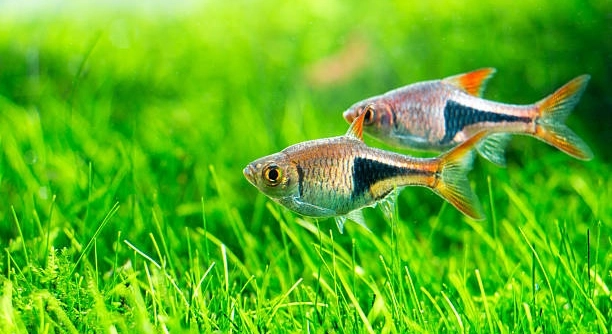
Do you ever notice your rasbora swimming quickly and then suddenly disappearing? These small fish often seem to have favorite spots where they feel safest. Understanding their hiding habits can help create a better tank environment for them.
Rasbora typically prefer to hide among plants, rocks, or decorations that offer shelter and security. Their favorite spots are usually shaded or secluded areas where they can avoid stress and predators. These hiding places play a crucial role in their well-being and comfort.
Knowing where rasbora like to hide can help you set up a more natural and calming space for them in your aquarium. This article will explain how their behavior influences tank design and care.
Where Rasbora Feel Most Secure
Rasbora are small, active fish that rely on their environment for safety. They usually hide among dense plants because the leaves provide cover from bright light and potential threats. Floating plants are also popular hiding spots since they create shaded areas near the surface. Rocks and driftwood add texture and create natural crevices that rasbora use to feel protected. In a well-planted tank with plenty of hiding places, these fish appear calmer and more confident. Without enough shelter, they may become stressed and shy, often swimming nervously or staying at the bottom. Rasbora prefer low to medium lighting and spots that allow them to quickly dart away if needed. Creating an aquarium that mimics their natural habitat, with a mix of open swimming areas and cozy hideouts, is essential. The right setup encourages natural behavior and helps keep rasbora healthy.
Plants, rocks, and shaded areas are the main hiding spots that keep rasbora calm and comfortable.
Knowing the common hiding places helps in arranging the tank to meet their needs. Giving them plenty of options for shelter reduces stress and encourages active swimming during feeding and social times. Watching rasbora explore their favorite spots can make caring for them more enjoyable. Adjusting light levels and adding decorations can improve their quality of life. These small efforts go a long way toward creating a happy tank environment.
How Tank Setup Affects Hiding Behavior
Good tank setup is key to supporting rasbora’s hiding preferences. They thrive in aquariums with dense plant growth and varied decorations that offer multiple hiding spots. A bare tank can leave them feeling exposed and stressed, which might cause them to hide less or stay at the bottom. Providing different textures like smooth stones, driftwood, and leaf cover helps replicate their natural environment. Soft substrate also encourages comfortable resting places. Lighting should be adjustable to create shaded zones where they can retreat during bright periods. Water flow is another factor; too strong a current can push them out of hiding or discourage exploration. Ideal tank conditions balance open swimming space with enough sheltered areas for them to feel safe. Monitoring their behavior will show if the tank setup meets their needs or if more adjustments are required. A thoughtful layout supports their natural habits and promotes well-being.
Rasbora need plants, decorations, and controlled lighting to hide effectively and stay relaxed in the tank.
Setting up an aquarium for rasbora requires attention to their hiding behavior. Many aquarists find success by including fast-growing plants like hornwort or java moss, which provide good cover without overcrowding. Creating layers with tall plants at the back and shorter ones in front gives them depth and variety. Driftwood and smooth rocks placed strategically form caves and crevices that serve as perfect hiding spots. Lighting should be kept moderate or dimmed during parts of the day to simulate natural conditions. Using a gentle filter prevents strong currents from disturbing the fish. Regular observation helps identify any stress signs or hiding issues, allowing timely changes. An environment designed with their needs in mind results in healthier, more active rasbora that display their natural colors and behaviors.
Signs Rasbora Use Hiding Spots
Rasbora often dart quickly into plants or decorations when startled or resting. They may stay hidden during bright light or if the tank is noisy. You’ll notice them retreating more when they feel threatened or stressed.
Watching their behavior closely helps identify when they need shelter. If they frequently disappear into plants, it shows those spots are important for their comfort. When resting, rasbora tuck themselves into shaded areas or near the tank bottom. Sudden movements or loud noises cause immediate hiding reactions. Healthy rasbora balance active swimming with regular breaks in safe spots. Changes in hiding patterns might indicate stress, illness, or discomfort in the environment.
Creating multiple hiding places allows them to choose different spots throughout the day. This reduces competition among fish and lowers stress levels. It also encourages natural behaviors like exploring and resting safely. When rasbora feel secure, they display brighter colors and swim confidently.
Choosing Plants and Decorations for Rasbora Hiding
Plants like java fern, anubias, and hornwort provide dense cover and are easy to care for. They offer natural hiding spots while improving water quality by absorbing nitrates. Floating plants such as duckweed or water lettuce create shaded areas near the surface, helping rasbora feel secure. Smooth rocks and driftwood add texture and crevices for shelter. Avoid sharp or rough decorations that might injure the fish.
Decorations should mimic the natural environment and be arranged to create layers and pockets of space. Group plants and hardscape to form safe zones and open swimming areas. This balance allows rasbora to explore while having quick access to shelter. Keep decorations stable to prevent movement that could stress the fish. Using natural materials also reduces the risk of water chemistry changes. Well-chosen plants and decorations contribute to a comfortable habitat that supports rasbora’s hiding instincts and overall health.
Feeding Near Hiding Spots
Rasbora often prefer to eat near their hiding spots for safety. They feel less vulnerable when food is close to a secure area. This helps reduce stress during feeding times and encourages them to come out more confidently.
Providing food near plants or decorations mimics their natural behavior. It also allows shy fish to feed without feeling exposed. Using small, frequent feedings near their favorite spots supports healthier eating habits and reduces competition.
Impact of Tankmates on Hiding Behavior
The presence of other fish affects how often rasbora use hiding spots. Peaceful tankmates encourage less hiding, while aggressive or larger fish increase their need for shelter. It’s important to choose compatible species to maintain a calm environment. Rasbora are schooling fish and feel safer in groups of six or more, which also influences their hiding habits.
Lighting and Its Role in Hiding
Bright lights can cause rasbora to seek shade more often. Using dim or adjustable lighting helps reduce their stress and allows them to show natural behavior. Low light encourages them to explore while still feeling secure in their hiding spots.
Tank Maintenance and Hiding
Regular tank cleaning reduces stress that might force rasbora to hide excessively. Consistent water quality keeps them healthy and active.
What kind of hiding spots do rasbora prefer?
Rasbora like places that give them shelter and make them feel safe. Dense plants, especially those with fine leaves like hornwort or java moss, are popular choices. Floating plants help create shaded areas near the surface, which rasbora appreciate. Hardscape items like smooth rocks and driftwood add crevices where they can hide. They avoid bright open spaces and rough decorations. Creating a mix of plants and decorations gives them options to choose from depending on their mood or time of day.
Why do rasbora hide so often?
Hiding is a natural behavior for rasbora. It helps them avoid predators and reduces stress. When the tank is too bright, noisy, or overcrowded, they may hide more frequently. Changes in water quality or the presence of aggressive tankmates can also make them seek shelter. Hiding allows them to rest and feel secure. If they hide excessively or stop swimming actively, it might indicate a problem that needs attention, like illness or poor tank conditions.
Can rasbora live without hiding spots?
While rasbora might survive in a bare tank, their health and behavior will suffer without hiding spots. They need places to retreat for comfort and security. Without shelter, they may become stressed, show dull colors, or become shy. Providing hiding spots supports their natural instincts, encourages activity, and improves their overall well-being. A well-planted tank with decorations helps them thrive rather than just survive.
How many rasbora should be kept together?
Rasbora are schooling fish and do best in groups of six or more. Being in a group helps reduce stress and encourages natural swimming behavior. When kept alone or in too small a group, they may feel insecure and hide more often. A proper school size also makes it easier for them to interact and feel safe in the tank. Larger groups tend to be more confident and show brighter colors.
Do different rasbora species have different hiding habits?
Yes, different species vary slightly in their hiding preferences. For example, Harlequin rasbora prefers dense plant cover and shaded areas, while Chili rasbora likes smaller, quieter hiding spots with lots of low plants. However, all rasbora generally appreciate places that offer protection and reduce light intensity. It’s important to learn about the specific species you keep to create the best environment for their hiding needs.
How does lighting affect rasbora hiding behavior?
Bright lighting can cause rasbora to seek shelter more often. They prefer moderate to low light levels that mimic their natural environment. Using floating plants or dimmable aquarium lights can help create shaded areas. Proper lighting encourages them to swim more freely during feeding and social times while still allowing them to retreat to safe spots when needed.
What role do tankmates play in rasbora hiding?
Tankmates have a big impact on how often rasbora hide. Peaceful species that don’t chase or stress rasbora reduce the need for hiding. Aggressive or larger fish may cause rasbora to stay hidden more. It’s best to keep them with calm, similarly sized fish that won’t compete aggressively for space or food. A peaceful community tank encourages rasbora to explore and be more active.
Is it normal for rasbora to hide after adding new decorations?
Yes, rasbora may hide more initially after new decorations are added. Changes in their environment can make them cautious. Once they get used to the new layout, they usually explore more and use the new hiding spots comfortably. It’s important to add decorations carefully and avoid sudden, large changes to keep stress low.
How often should I rearrange hiding spots in the tank?
Frequent rearranging can stress rasbora. It’s best to keep the tank layout stable so they can learn where their safe spots are. Minor changes every few months are okay, but avoid constant moves. Stability helps build their confidence and reduces hiding caused by uncertainty.
Can hiding spots help rasbora during illness?
Yes, hiding spots offer a safe retreat when rasbora feel weak or sick. They often hide more during illness to protect themselves. Providing plenty of shelter supports their recovery by reducing stress. It also makes it easier to observe changes in behavior that signal health issues. Keeping the tank clean and stable with good hiding places aids healing and comfort.
Creating a comfortable environment for rasbora means understanding their need for hiding spots. These small fish rely on shelter to feel safe and reduce stress. Plants, rocks, and decorations all play a role in giving them places to retreat. Without enough hiding places, rasbora can become shy or stressed, which affects their health and behavior. Providing a mix of dense plants and natural decorations helps mimic their natural habitat and supports their well-being. When they feel secure, they are more active, colorful, and healthy.
Tank setup has a big impact on how often rasbora hide and how comfortable they are. Lighting should be moderate or dimmed to create shaded areas, and water flow should be gentle to avoid pushing them out of their spots. Peaceful tankmates and keeping rasbora in schools also help reduce stress and encourage natural behavior. Watching how your rasbora interact with their hiding spots gives clues about their comfort and health. Adjusting the tank environment based on their needs can make a big difference in their happiness.
Taking care of rasbora means paying attention to their natural instincts and creating a space where they can express these behaviors. Hiding is a normal and important part of their life, not something to worry about if the tank is set up well. Providing plenty of plants, stable decorations, and proper lighting encourages them to balance hiding with swimming and feeding. When rasbora feel secure, they show their best colors and behaviors, making the aquarium a more enjoyable and lively place.

Hello,
If you enjoy the content that we create, please consider saying a "Thank You!" by leaving a tip.
Every little bit helps us continue crafting quality advice that supports the health, happiness, and well-being of pets around the world, for pets of all shapes, sizes, and species.
We really appreciate the kindness and support that you show us!