
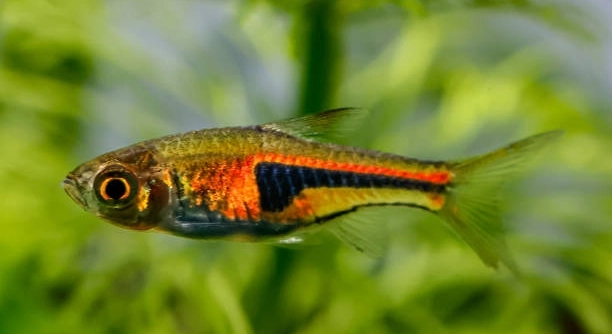
Rasboras are small, peaceful fish that bring life to any aquarium. Keeping them engaged can improve their health and happiness. Many fish owners want simple ways to encourage natural curiosity in these lively swimmers.
To keep rasboras curious, provide a stimulating environment with plants, hiding spots, varied textures, and gentle water movement. Regularly changing decorations and offering a balanced diet also encourage exploration and natural behaviors.
Understanding these easy habits can help you create a lively tank where your rasboras thrive and stay active.
Create a Natural Habitat
Rasboras feel safest when their environment resembles their natural habitat. Adding live plants helps recreate this setting by providing shelter and hiding spots. Plants like Java fern or Anubias offer leaves for fish to swim around and rest near. Soft substrate like sand or fine gravel mimics riverbeds where rasboras often live. Adding driftwood or small rocks gives texture and places to explore. This setup encourages natural behaviors such as hiding, foraging, and schooling. It also reduces stress, which keeps the fish curious and active. Keeping water conditions stable is equally important. Regular water changes and maintaining a proper temperature between 72-79°F help rasboras stay healthy and alert. A natural habitat feels safe, allowing your fish to show their playful side and explore their surroundings with confidence.
A well-planted tank with varied textures keeps rasboras comfortable and eager to explore their environment every day.
Providing an environment that resembles their natural home not only improves rasbora well-being but also keeps their curiosity alive. Watching them interact with plants, swim through hiding spots, and investigate new decorations is rewarding. You can even observe social behaviors like schooling and gentle chasing when they feel secure. Changing plant placement or adding new natural elements occasionally keeps things fresh for your fish. This simple step makes a big difference in their activity levels. A natural habitat is the foundation for keeping rasboras curious and healthy over the long term.
Use Varied Feeding Techniques
Offering different types of food stimulates rasboras and keeps their interest in mealtime high.
Feeding a mix of flake foods, frozen or live brine shrimp, and daphnia encourages natural foraging behavior. Small frequent feedings mimic how they eat in the wild. Introducing food at different spots in the tank also makes feeding more engaging. Sometimes, tossing food near plants or rocks lets rasboras hunt and explore for their meals. Changing textures and flavors keeps them from getting bored. This variety is important because it encourages activity and curiosity, helping your fish stay lively and healthy.
Rotating foods and feeding methods gives your rasboras mental stimulation and encourages natural habits that keep them curious about their surroundings. This approach supports their overall well-being and makes feeding times enjoyable to watch.
Change Decorations Regularly
Changing decorations keeps rasboras interested in their space.
Small adjustments, like moving plants or adding new rocks, create fresh spots to explore. This prevents the tank from becoming too familiar and dull. Rasboras react well to these changes, showing more activity as they investigate.
Even swapping out one or two items every few weeks can make a big difference. It gives the fish a sense of discovery without stressing them. These small changes encourage natural curiosity and help maintain their playful behavior over time.
Provide Gentle Water Movement
Rasboras thrive with gentle water currents that mimic slow streams.
Using a filter or air stone to create soft water movement stimulates their senses and encourages exploration. Strong currents can tire them, so it’s important to keep flow calm. Gentle movement also helps distribute oxygen evenly, supporting their health.
By adding this subtle flow, you help your rasboras stay active and curious about their surroundings. It promotes natural swimming patterns and keeps the aquarium environment dynamic and engaging for them.
Use Floating Plants
Floating plants add shade and cover, making rasboras feel secure.
They also create interesting light patterns that encourage exploration and play.
Introduce Tank Mates Carefully
Choosing peaceful tank mates helps rasboras stay comfortable and curious. Avoid aggressive or overly active fish that may stress them. Small species like tetras or shrimp can add movement without threat. A calm community tank encourages natural behaviors and exploration.
Keep the Tank Clean
Regular cleaning keeps the water clear and healthy for rasboras.
Offer Hiding Spots
Providing caves or tunnels lets rasboras retreat when needed, helping them feel safe and confident.
FAQ
How often should I change the decorations in my rasbora tank?
Changing decorations every few weeks is enough to keep your rasboras interested without causing stress. Small changes like moving plants or adding new rocks create fresh spots to explore. Avoid major rearrangements too often, as sudden changes can make fish uneasy.
Can I keep rasboras with other fish?
Yes, but choose peaceful species that won’t chase or stress them. Small tetras, shrimp, and snails usually make good tank mates. Avoid aggressive or large fish that may bully or harm rasboras. A calm community helps them stay curious and active.
What kind of food is best for keeping rasboras curious?
A varied diet is key. Use high-quality flakes or pellets as a base, and supplement with frozen or live foods like brine shrimp and daphnia. Feeding different types of food at different spots in the tank encourages natural foraging and keeps them engaged.
How important are live plants for rasboras?
Live plants provide shelter, reduce stress, and offer places to explore. They mimic the rasboras’ natural habitat and improve water quality. Plants like Java fern and Anubias are easy to care for and help create a comfortable environment that encourages curiosity.
What water conditions do rasboras need to stay healthy?
Keep the temperature between 72-79°F and perform regular water changes to maintain cleanliness. Rasboras prefer slightly soft, neutral water but can adapt to a range of conditions. Stable water parameters reduce stress and support their active nature.
How much water movement do rasboras prefer?
They thrive with gentle water currents that mimic slow streams. Use a filter or air stone to create soft movement, avoiding strong currents that can tire them. Gentle flow promotes natural swimming behavior and keeps them curious about their surroundings.
Is it necessary to provide hiding spots in the tank?
Yes, hiding spots like caves or tunnels help rasboras feel safe and reduce stress. When they have places to retreat, they are more confident and willing to explore. These spots are especially important if you keep other fish in the tank.
How often should I feed my rasboras?
Feed small amounts two to three times a day. Frequent feeding mimics their natural behavior and keeps them active. Avoid overfeeding, which can pollute the water and harm their health. A balanced feeding routine supports curiosity and well-being.
Will rasboras recognize their owners?
Rasboras don’t recognize owners like pets, but they do learn to associate feeding times and movement near the tank with food. This can make them swim closer when you approach, showing signs of curiosity and engagement.
Can tank lighting affect rasbora behavior?
Yes, proper lighting helps regulate their day-night cycle and encourages natural activity. Too bright lighting can stress them, while dim lighting might make them less active. Using floating plants or adjustable lights helps create a comfortable balance.
What signs show my rasboras are curious and healthy?
Active swimming, exploring plants and decorations, schooling together, and eagerly accepting food are good signs. Healthy rasboras have bright colors and clear eyes. Lethargy or hiding constantly might indicate stress or poor tank conditions.
How do I avoid stress in my rasbora tank?
Keep water stable, avoid sudden changes, provide hiding spots, and choose peaceful tank mates. Regular cleaning and gentle water movement also reduce stress. A calm, well-maintained tank encourages curiosity and natural behavior.
Can I use artificial plants instead of live ones?
Artificial plants can provide hiding spots but lack the benefits of live plants, like oxygen production and water filtration. Live plants better replicate natural habitats, which keeps rasboras more engaged and curious.
What should I do if my rasboras stop exploring?
Check water quality, tank setup, and lighting. Make sure the environment has enough plants, hiding spots, and varied decorations. Adjust feeding routines to include different foods and locations. Small changes often reignite their natural curiosity.
Is it okay to keep only a few rasboras in a tank?
Rasboras are schooling fish and feel safer in groups of six or more. Smaller groups can cause stress and reduce activity. A larger group encourages natural behaviors and keeps the fish curious and lively.
Keeping rasboras curious and active is important for their health and happiness. A simple, natural environment with live plants, hiding spots, and gentle water flow encourages them to explore and behave naturally. These small fish enjoy having places to swim around, rest, and hide when needed. When their tank resembles their natural habitat, they feel safer and more confident, which helps keep their curiosity alive.
Feeding routines also play a big role in keeping rasboras interested. Offering a mix of foods like flakes, frozen or live brine shrimp, and daphnia makes mealtime more exciting. Changing where and how you feed them encourages natural foraging behavior and stops them from getting bored. It’s important to feed small amounts multiple times a day to mimic their natural eating habits. This not only keeps them healthy but also keeps their minds active and alert.
Small changes to the tank, like moving decorations or adding new plants, can make a big difference. These adjustments give rasboras new things to investigate and prevent their environment from becoming too familiar. It’s important not to make drastic changes too often to avoid stressing the fish. With gentle water movement, clean water, and peaceful tank mates, your rasboras will be happier and more curious. Paying attention to these details ensures your fish stay lively and enjoy their home.

Hello,
If you enjoy the content that we create, please consider saying a "Thank You!" by leaving a tip.
Every little bit helps us continue crafting quality advice that supports the health, happiness, and well-being of pets around the world, for pets of all shapes, sizes, and species.
We really appreciate the kindness and support that you show us!