
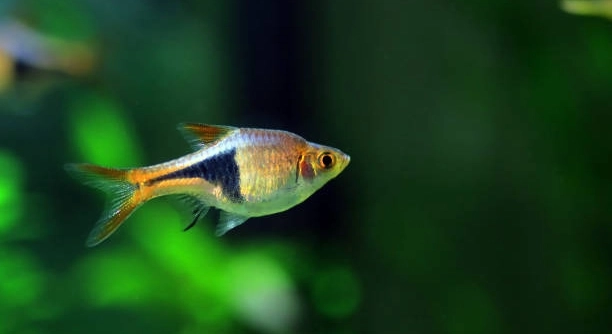
Have you ever noticed your rasbora acting hesitant, pausing mid-swim or avoiding certain parts of the tank without warning?
Rasboras hesitate in response to sudden changes in their environment, including lighting, water quality, tank mates, and unexpected movement. These small fish are sensitive by nature, and subtle disturbances can trigger cautious or withdrawn behavior.
Understanding the specific situations that affect your rasbora’s confidence can help you create a more stable and peaceful environment for them.
Sudden Changes in Lighting
Rasboras respond strongly to changes in light. If the room light switches on too suddenly or the tank light goes off without warning, these fish may freeze or scatter. Their small size and natural instincts make them cautious, especially in brightly lit or pitch-dark conditions. To them, a sudden flash may signal a predator. It’s best to keep the lighting gradual—using dimmers or turning on lights in the room first before switching on the tank light. This small step helps your rasboras adjust without stress, encouraging smoother movement and less hesitation throughout the day.
Even gentle flickers from a nearby screen or lamp can startle them, especially at night.
When rasboras hesitate under abrupt lighting, it reflects how closely their comfort depends on environmental consistency. These small fish thrive in calm, stable conditions. A controlled lighting routine, paired with a consistent day-night cycle, can support their natural rhythm. Avoid placing the tank in areas with unpredictable lighting, such as near windows with shifting sunlight or busy rooms with frequent on-off light changes. Consider using timers for your tank lights to keep the environment predictable. This simple habit can reduce hesitation and support healthier behavior. Rasboras do best when their surroundings feel predictable and peaceful.
Aggressive or Fast Tank Mates
Rasboras often hesitate or hide when placed with faster or more dominant tank mates. Their peaceful nature makes them vulnerable to stress if chased or outcompeted.
Choosing tank mates carefully is essential for rasbora health. Avoid pairing them with fish that nip, dart aggressively, or constantly claim space. Large or fast-swimming species may cause your rasboras to withdraw, impacting feeding and overall activity. Instead, select calm species that won’t interrupt their movements. Fish like small tetras, peaceful loaches, or similarly sized shoaling fish work well. Always observe interactions when introducing new fish. If rasboras begin hovering in corners or under plants for long periods, this may signal discomfort. Rearranging tank decorations can help reset territory, giving timid fish more space to move freely. Tank mates should complement—not overpower—your rasboras. A balanced community encourages confidence and natural behavior, reducing hesitation caused by stress or tension.
Poor Water Conditions
Rasboras are sensitive to poor water quality. If ammonia or nitrate levels rise, they may slow down, hide, or stop schooling. Cloudy water, strong odors, or sudden algae blooms often signal that something in the tank needs immediate attention.
Regular water testing helps maintain healthy conditions. Rasboras need stable pH levels between 6.0 and 7.5 and temperatures between 72°F and 80°F. High levels of waste from overfeeding or infrequent water changes can cause hesitation or listlessness. Using a reliable filter, performing weekly partial water changes, and removing uneaten food can help. If rasboras begin hesitating near the bottom or gasping at the surface, check your parameters quickly. Quick changes, even if intended to improve conditions, can sometimes cause more stress than they solve. Consistency matters more than perfection. Keeping a steady routine will go a long way in helping rasboras feel calm, confident, and active.
Even minor imbalances in water parameters can unsettle rasboras. They react to changes you might not notice right away—such as a slow drop in oxygen or a gradual shift in pH. If their behavior seems off, test everything before adjusting. Avoid large water swaps unless absolutely necessary, as these can be just as stressful as dirty water. Instead, clean regularly and gently. A planted tank with natural filtration can also support stable conditions. Rasboras will swim more freely and interact naturally when they sense their environment is clean and balanced. Calm behavior often starts with clear, steady water care.
Reflections and Glass Distortions
Reflections on the glass can confuse rasboras. If they see their own image, they may think another fish is present. This can cause hesitation or darting behavior, especially along the tank edges.
Light angles and tank placement can either help or make reflections worse. Position the aquarium away from direct light sources like windows or bright lamps. If you notice your rasboras chasing or staring at one spot on the glass, it could be their own reflection. Adding background paper or dimming nearby lights may solve the issue. Even the tank’s interior can impact reflections—dark substrates or certain decorations might create stronger mirrored surfaces. Rasboras feel safer when their surroundings are clear, not confusing. Helping them see through the glass, rather than into it, can make them more relaxed and less likely to pause or flee suddenly. A calm tank view helps them feel more at home.
Strong Water Flow
Strong water flow can cause rasboras to hesitate. If the current is too fast, they may struggle to swim comfortably and begin hovering near calm areas. Gentle, even flow helps them stay active without tiring out.
Adjust filter outputs or use flow diffusers to reduce turbulence. Rasboras prefer slow-moving water that mimics their natural habitat. Too much movement can make them feel unsafe or exhausted.
Lack of Hiding Spaces
Without enough plants or decorations, rasboras may feel exposed and unsafe. They rely on shaded spots and cover to rest, regroup, and escape stress. An open tank can leave them hesitant to explore or swim freely.
Adding live or artificial plants, driftwood, and rock structures can make a big difference. These elements help break up the line of sight, reduce tension between fish, and create a secure environment. Rasboras often use these hiding spots when startled or unsure. When they feel safe, they become more active and social. Even placing floating plants at the surface can provide shade and reduce their hesitation. A balanced tank layout supports their natural behavior and encourages gentle, steady movement through the water. It’s not about cluttering the tank—it’s about giving them space to feel protected. Small adjustments can quickly boost their confidence and improve their overall behavior.
Loud Noises or Vibrations
Sudden sounds or vibrations near the tank can easily startle rasboras. Loud footsteps, dropped objects, or even nearby speakers can make them pause, dart, or hide. A quieter space supports calmer behavior.
FAQ
Why does my rasbora hesitate even though the tank looks fine?
Rasboras are sensitive to subtle changes you might not notice. Water parameters like pH, temperature, or ammonia can be off even if the water appears clear. They also react to changes in lighting, vibrations, or new tank mates. Check water quality regularly and observe their environment for anything new or different.
How can I reduce hesitation caused by tank mates?
Choose peaceful, slow-moving fish that won’t chase or intimidate your rasboras. Avoid aggressive or territorial species. Introducing new fish slowly and rearranging tank decorations can help. This creates new territories and reduces stress from competition or bullying.
What is the best way to manage lighting to keep rasboras calm?
Use a timer for tank lights to ensure a steady day-night cycle. Avoid sudden light changes by turning on room lights first, then the tank light. Keep the tank away from direct sunlight or strong artificial light that flickers or changes often.
Can reflections in the glass really affect rasbora behavior?
Yes, reflections can confuse them, making them think another fish is nearby. This causes hesitation or aggressive behavior. Reducing reflections with a background, dimming nearby lights, or repositioning the tank can help rasboras feel more secure.
How important are hiding spots for rasboras?
Very important. Rasboras feel safer with plenty of plants, driftwood, or decorations where they can retreat. Lack of cover makes them feel exposed, increasing hesitation and stress. Adding hiding places encourages natural behavior and social interaction.
Does water flow affect rasbora activity?
Yes. Strong currents can tire rasboras and cause hesitation as they try to avoid fast-moving water. Use flow diffusers or adjust filter output to create gentle, even water movement. This better simulates their natural habitat and keeps them active and calm.
What noise levels are safe for rasboras?
Rasboras are sensitive to loud, sudden noises and vibrations. Keep the tank in a quiet area away from heavy foot traffic, loud music, or appliances that create strong vibrations. A peaceful environment reduces stress and hesitation.
Can diet influence hesitation in rasboras?
Indirectly, yes. Poor nutrition can weaken their immune system and energy levels, making them less active and more hesitant. Feeding a balanced diet of high-quality flakes, pellets, and occasional live or frozen food supports their health and natural behavior.
How often should I test the water to prevent hesitation?
Weekly testing is ideal to catch problems early. Regularly check pH, ammonia, nitrite, and nitrate levels. Consistent maintenance like partial water changes keeps the environment stable and reduces hesitation caused by poor water quality.
Is hesitation normal for rasboras when first introduced to a new tank?
Yes, some hesitation is normal as they adjust to new surroundings. This should decrease after a few days if the environment is stable and comfortable. Providing hiding spots and keeping disturbances minimal helps them settle faster.
Can stress cause hesitation in rasboras?
Definitely. Stress from overcrowding, poor water quality, aggressive tank mates, or sudden environmental changes makes rasboras freeze or hide. Minimizing stressors creates a more confident, active fish.
What signs show hesitation due to illness?
If hesitation is paired with clamped fins, loss of appetite, discoloration, or unusual swimming patterns, illness may be the cause. Quarantine sick fish and consult an aquatic vet or specialist for proper diagnosis and treatment.
Are certain rasbora species more prone to hesitation?
Some species are naturally more timid, like the Chili Rasbora. Knowing the personality of your species helps set expectations. Even the most confident rasboras hesitate if conditions are poor or stressful.
How does tank size affect hesitation?
A cramped tank limits swimming space, causing stress and hesitation. Rasboras are active swimmers and need room to school comfortably. Providing enough space reduces tension and supports healthy, confident behavior.
Final Thoughts
Rasboras are delicate fish that respond quickly to their surroundings. Their hesitation often signals that something in their environment is not quite right. Whether it’s changes in lighting, water quality, tank mates, or even reflections on the glass, each factor plays a role in how comfortable they feel. Understanding these triggers helps create a calmer, healthier tank. Simple changes like adjusting light timing, providing enough hiding places, and keeping water clean can reduce hesitation and improve their overall well-being.
It is important to remember that rasboras rely on stability and routine. Sudden changes or disturbances cause stress, which shows in their behavior. Hesitation is a natural response to feeling unsafe or unsure. Giving them a predictable environment supports their natural instincts and encourages more natural, relaxed movement. Regular monitoring of water parameters and tank conditions ensures their habitat stays balanced. Also, choosing compatible tank mates and avoiding aggressive species helps maintain peace in the aquarium. These efforts lead to more active and confident fish.
Lastly, patience is key when caring for rasboras. Hesitation may not disappear immediately, especially if they are new to the tank or recovering from stress. Consistent care and gentle adjustments will show results over time. Observing your rasboras closely lets you notice small signs of improvement or ongoing issues. The goal is to provide a safe and stable home where they can thrive naturally. When their environment meets their needs, hesitation decreases, and they display their full, lively behavior. Taking the time to address these factors benefits both the fish and the aquarium as a whole.

Hello,
If you enjoy the content that we create, please consider saying a "Thank You!" by leaving a tip.
Every little bit helps us continue crafting quality advice that supports the health, happiness, and well-being of pets around the world, for pets of all shapes, sizes, and species.
We really appreciate the kindness and support that you show us!