
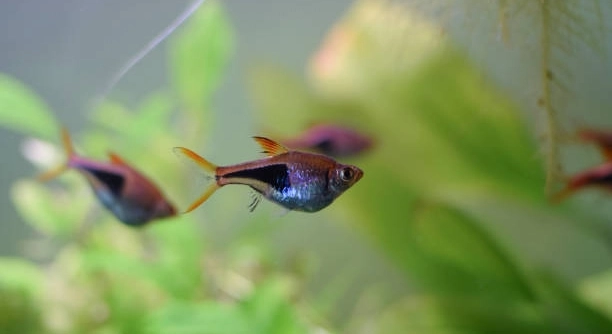
Rasboras are small, colorful fish often kept in home aquariums. Watching them settle into a new tank can be rewarding. Knowing the signs that show they are comfortable helps ensure their well-being and healthy adjustment.
Seven common patterns indicate that rasboras are settling in. These include consistent swimming behavior, regular feeding response, schooling activity, relaxed posture, clear coloration, stable breathing rates, and exploration of their environment. Each pattern reflects their adaptation to the new habitat.
Recognizing these signs early supports better care and a thriving aquarium. Understanding their behavior helps maintain a healthy and balanced environment for your rasboras.
Consistent Swimming Behavior
When rasboras are settling into their new tank, one of the first signs is steady and consistent swimming. They will move calmly in groups, often schooling together near the middle or upper levels of the aquarium. Erratic or frantic swimming usually indicates stress, but once they become comfortable, their movements are smooth and purposeful. This behavior shows they are adapting well to the environment and feel safe enough to explore. Observing them swim steadily also suggests the water conditions and temperature suit their needs, which is crucial for their health. Over time, their schooling patterns become more coordinated, reflecting growing confidence.
Consistent swimming is a reliable indicator of rasboras’ well-being. It reflects their comfort and adaptation to the new surroundings, marking an important step in their adjustment process.
Watching these patterns closely helps you spot any changes early, allowing quick action to maintain the best environment for your rasboras.
Regular Feeding Response
Rasboras that are settling in will show a steady appetite during feeding times. Unlike stressed fish that may hide or ignore food, comfortable rasboras actively swim towards the surface or feeding area. This response means they recognize the feeding routine and feel secure enough to come out and eat without hesitation. Their willingness to feed regularly is a good sign of healthy adaptation to the tank conditions. Feeding them small, frequent portions encourages natural behavior and prevents overfeeding, which can cause water quality issues. This pattern is easy to observe and is an important gauge of their health.
Regular feeding behavior indicates a balanced environment and helps sustain their energy levels. It also supports their growth and coloration, which depend on good nutrition.
Keeping a close eye on feeding responses can prevent potential health problems and improve your ability to provide proper care. Maintaining routine feeding schedules will further strengthen their sense of safety.
Schooling Activity
Rasboras naturally swim in groups, and schooling is a key sign they are settling in well. When they form tight, synchronized groups, it shows they feel safe and comfortable.
Schooling behavior helps protect them from stress and predators. When rasboras stick close together, their confidence increases, and they are less likely to hide or show signs of distress. This group movement also reflects healthy social interaction among the fish. In a well-maintained aquarium, schooling rasboras will often explore their environment together, moving in unison and maintaining formation. This pattern is an encouraging sign that the fish have adjusted well to their new habitat.
If rasboras do not school, it may suggest discomfort or illness. Monitoring this behavior can help identify any tank issues early. Providing ample space, hiding spots, and consistent water quality supports natural schooling and promotes their overall well-being.
Relaxed Posture
A relaxed posture in rasboras shows they are comfortable in their environment. They swim with smooth, steady fin movement without signs of stress or tension.
Tense or clamped fins often indicate discomfort or poor water conditions. When settled, rasboras hold their bodies horizontally and glide gracefully through the water. Their fins are spread out and flutter gently, showing they are at ease. This relaxed posture also coincides with stable breathing and normal activity levels. Stress causes rapid gill movement and tight body positioning, so observing a relaxed state is a clear positive sign. Maintaining proper water parameters, including temperature and cleanliness, helps rasboras keep this calm posture.
A calm and relaxed fish is more likely to thrive, feed well, and resist disease. Recognizing this behavior supports timely care adjustments to keep your rasboras healthy.
Clear Coloration
Clear and vibrant coloration is a strong sign that rasboras are settling in well. Dull or faded colors often indicate stress or poor health.
Bright colors show the fish are comfortable with their surroundings and receiving proper nutrition. Healthy water quality also plays a key role in maintaining their vivid appearance.
Stable Breathing Rates
Stable breathing is crucial for rasboras’ well-being. When they settle, their gill movements become regular and calm.
Rapid or irregular breathing often signals stress or low oxygen levels. Consistent breathing indicates good water conditions and proper tank maintenance. Monitoring breathing patterns helps identify problems before they worsen, supporting healthier fish.
Exploration of Environment
Exploration is a sign that rasboras feel secure. They begin to swim around the tank, investigating plants, decorations, and corners. This curiosity shows they are adapting and comfortable.
What are the best signs to know rasboras are settling in?
The best signs include consistent swimming in groups, regular feeding response, clear and vibrant coloration, relaxed posture, stable breathing, and exploration of their environment. When rasboras swim smoothly and school together, it means they feel safe. Regular eating habits show they are comfortable. Bright colors and calm body language reflect good health. Lastly, when they explore plants or tank corners without hiding, it signals they have adapted well.
How long does it take for rasboras to settle in?
Typically, rasboras take about one to two weeks to settle after being introduced to a new tank. During this time, they adjust to the water parameters, lighting, and surroundings. Some may settle faster, especially if the tank environment is ideal and stable. Patience is important, as rushing or frequent changes can cause stress and delay settling.
What can cause rasboras to not settle in properly?
Poor water quality, sudden temperature changes, overcrowding, and lack of hiding spaces can prevent rasboras from settling. Stress from aggressive tank mates or improper feeding routines also affects their adjustment. Ensuring clean water, stable conditions, and enough space helps rasboras feel secure and settle faster.
How can I encourage my rasboras to settle?
To help rasboras settle, maintain consistent water temperature and quality, avoid sudden changes, and provide plenty of plants or decorations for hiding. Feed them small amounts regularly to establish a routine. Keeping tank lighting moderate rather than too bright also reduces stress. A peaceful tank environment supports faster adaptation.
Is schooling important for rasboras to settle?
Yes, schooling is very important. Rasboras are social fish and feel safer in groups. When they school, they show natural behavior and less stress. Without schooling, they may feel vulnerable, which delays settling. Keeping at least six rasboras together helps maintain their social needs and encourages them to settle comfortably.
Can rasboras settle if they are alone?
Rasboras can survive alone, but they usually do not settle well without a group. Being solitary increases stress and reduces natural behaviors like schooling. For best health and comfort, it’s recommended to keep them in groups. Alone, rasboras may hide more, eat less, and show signs of stress.
What role does water quality play in rasbora settling?
Water quality is critical. Poor water quality leads to stress, illness, and failure to settle. Parameters like pH, ammonia, nitrite, nitrate levels, and temperature must be stable and suitable for rasboras. Regular water changes and proper filtration help maintain these conditions. Clean, well-oxygenated water allows rasboras to breathe easily and stay active.
How can I tell if my rasboras are stressed?
Signs of stress include erratic swimming, hiding constantly, clamped fins, faded colors, rapid breathing, and loss of appetite. If rasboras show these signs for several days, it means they are not settling well or the environment is poor. Early detection helps fix issues before they affect the fish’s health.
What should I do if my rasboras aren’t settling?
If rasboras aren’t settling, test water quality and adjust as needed. Check temperature and tank mates for compatibility. Increase hiding spots and reduce noise or bright lighting. Avoid overfeeding or sudden changes. Sometimes, partial water changes and gentle handling improve comfort. Patience and steady care are key.
Are there specific tank setups that help rasboras settle faster?
Yes. A tank with moderate lighting, plenty of live plants, smooth substrate, and hiding spaces helps rasboras feel safe. Open swimming areas combined with shelter encourage natural behavior. Avoid sharp decorations that might injure delicate fins. Stable water parameters and gentle filtration support a calm environment for settling.
Can feeding habits affect how quickly rasboras settle?
Feeding habits do affect settling. Rasboras that recognize feeding times and eat regularly show comfort. Offering small, frequent meals mimics natural conditions and encourages feeding. Avoid overfeeding, which harms water quality and fish health. A good feeding routine builds trust and helps rasboras feel secure.
How important is tank mate selection for rasbora settling?
Tank mates are very important. Aggressive or overly active fish can stress rasboras and prevent settling. Compatible, peaceful species that share similar water needs promote a calm environment. Avoid large or territorial fish that might bully rasboras. A peaceful community tank supports quick adjustment and long-term health.
Can changes in lighting affect rasbora settling?
Lighting changes can affect settling. Too bright or flickering lights cause stress and hiding. Moderate, consistent lighting that mimics natural day and night cycles helps rasboras feel secure. Gradual adjustments to lighting after introduction avoid sudden stress. Dim or shaded areas within the tank also provide comfort.
Is it normal for rasboras to hide a lot during settling?
Yes, some hiding is normal at first. Rasboras use hiding spots to feel safe while adjusting. However, prolonged hiding or refusal to eat indicates stress or poor conditions. Providing sufficient plants and decorations encourages natural hiding without isolation. Observing hiding patterns helps gauge their comfort level.
What environmental factors most influence rasbora settling?
Stable temperature, clean water, adequate space, hiding spots, proper lighting, and peaceful tank mates all influence settling. Sudden changes in any factor can cause stress. Consistency and balance in the environment are essential. Maintaining these conditions promotes healthy behavior and faster adjustment.
Can stress during settling affect rasboras’ long-term health?
Yes, prolonged stress can weaken immune systems, making rasboras prone to disease. It also reduces appetite and growth. Ensuring a calm, stable environment during settling prevents these problems. Early attention to signs of stress improves survival and well-being over time.
How often should I monitor rasboras during the settling period?
Daily observation is recommended during the first two weeks. Watch swimming, feeding, coloration, and breathing closely. Regular checks allow quick response to any problems. Consistent monitoring also helps establish feeding and behavior routines, supporting a smooth transition.
What is the best way to introduce rasboras to a new tank to help them settle?
Introduce rasboras slowly by acclimating them to tank water temperature and chemistry. Use drip acclimation or gradual water mixing over an hour. Avoid sudden transfers or strong water flow. Minimize disturbances during introduction, and keep lighting soft. This reduces shock and encourages faster settling.
Final thoughts on rasboras settling into a new tank highlight the importance of patience and careful observation. Rasboras are small, social fish that require a stable environment to feel comfortable and thrive. Their behavior changes as they adjust to new surroundings, and recognizing these changes can help ensure their well-being. Signs such as steady swimming, regular feeding, clear coloration, and schooling show that the fish are settling properly. Paying attention to these patterns allows you to maintain ideal tank conditions and prevent stress or illness. Understanding their needs and behavior supports a healthier, more enjoyable aquarium experience.
Maintaining consistent water quality is essential for rasboras to settle successfully. Factors such as temperature, pH level, and cleanliness play a major role in their comfort and health. Sudden changes or poor water conditions can cause stress and delay settling, leading to problems like loss of appetite or faded colors. Providing an environment with stable parameters, proper filtration, and regular water changes creates a safe space for rasboras. It also encourages natural behaviors such as schooling and exploration. When the tank environment meets their needs, rasboras are more likely to adapt quickly and stay healthy over time.
Finally, creating a peaceful, supportive habitat is key to helping rasboras settle. This means choosing suitable tank mates, offering enough hiding spots, and feeding them regularly with appropriate food. Rasboras are sensitive to stress from aggressive fish or harsh lighting, so minimizing these factors improves their comfort. Regular monitoring of their behavior helps detect any signs of distress early. By providing consistent care and a stable environment, you support their long-term health and happiness. Keeping these points in mind ensures that your rasboras will settle in smoothly and remain vibrant members of your aquarium.

Hello,
If you enjoy the content that we create, please consider saying a "Thank You!" by leaving a tip.
Every little bit helps us continue crafting quality advice that supports the health, happiness, and well-being of pets around the world, for pets of all shapes, sizes, and species.
We really appreciate the kindness and support that you show us!