
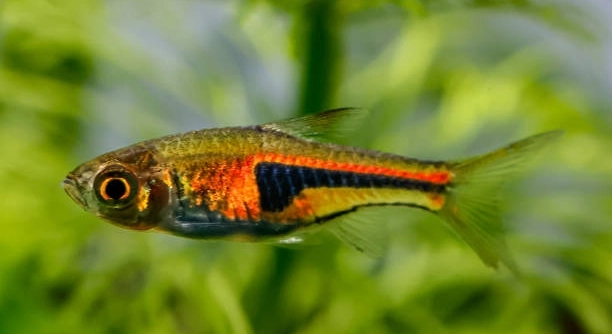
Many aquarium enthusiasts enjoy watching rasboras swim peacefully in their tanks. Sometimes, these small fish dart away suddenly, which can catch owners off guard. Understanding why rasboras exhibit this behavior can improve the care and environment provided for them.
Rasboras may dart away due to sudden changes in water quality, loud noises, presence of predators, or stress from overcrowding. These factors trigger a natural flight response to protect themselves from perceived threats in their environment.
Knowing the common reasons behind these quick movements helps in creating a calm and safe habitat for your rasboras, ensuring they remain healthy and active in your aquarium.
Sudden Changes in Water Quality
Rasboras are very sensitive to the conditions of their environment. When the water quality shifts suddenly, they react quickly by darting away. Changes in temperature, pH levels, or increased toxins like ammonia can make them feel unsafe. Even small fluctuations can cause stress, making them swim erratically to escape the discomfort. Regular water testing and maintenance help prevent these sudden changes. Fresh water, proper filtration, and gradual adjustments to the tank environment keep rasboras calm and healthy. Ignoring water quality can lead to frequent stress responses and poor health. Observing your fish’s behavior is a good way to catch water issues early before they become serious problems.
Maintaining stable water conditions is essential for preventing sudden darting in rasboras. Consistent care reduces their stress and supports their natural behavior.
Proper care includes monitoring water parameters closely, performing regular water changes, and using reliable filtration systems. These steps ensure the tank environment remains steady. When water quality is stable, rasboras feel secure and swim smoothly. This creates a peaceful aquarium that both the fish and the owner can enjoy. Sudden darting caused by water quality issues usually stops once the environment stabilizes. Patience during water changes and avoiding rapid shifts will help your rasboras adjust comfortably. Keeping the tank clean and balanced makes a noticeable difference in their activity levels and overall well-being.
Loud Noises and Sudden Movements
Rasboras are easily startled by loud sounds or quick motions near their tank. These unexpected disturbances cause them to dart away as a natural defense. Consistent loud noises or frequent tapping on the glass can increase their stress. Keeping the aquarium in a quiet, low-traffic area helps minimize these reactions.
Creating a calm setting reduces rasboras’ stress. Minimizing sudden sounds and movements allows them to swim without fear and remain relaxed in their habitat.
Presence of Predators
Rasboras instinctively react to predators by darting away quickly. Even the sight or shadow of a larger fish can trigger this response. They rely on quick movements to avoid danger and protect themselves from harm.
In a community tank, aggressive or larger fish can cause rasboras to become stressed and constantly on edge. This stress affects their health and behavior, making them less likely to feed and more prone to illness. It’s important to carefully select tank mates that are peaceful and compatible with small schooling fish like rasboras. Providing plenty of hiding spots with plants or decorations also helps them feel secure and reduces the need to flee frequently.
If predators are removed or tank mates are changed, rasboras usually become calmer. Creating a balanced environment where rasboras do not feel threatened encourages natural swimming patterns and improves their overall well-being.
Overcrowding and Stress
Overcrowded tanks limit space and increase competition for resources. Rasboras in such conditions often dart away as a stress reaction. Stress weakens their immune systems and disrupts their normal behavior.
Proper stocking levels and tank size help maintain a peaceful environment. Overcrowding causes constant movement and chasing, which tires the fish and reduces their quality of life. Stress from crowding can also lead to aggression among fish, causing further distress. Monitoring fish population and providing adequate space allows rasboras to swim comfortably. This results in healthier fish that show less darting and more natural schooling behavior. Maintaining a balanced community with compatible species prevents overcrowding and supports a stress-free aquarium.
Feeding Time Excitement
Rasboras often dart quickly when food is introduced to the tank. This fast movement is a natural response to the anticipation of feeding. They compete to get their share and show eagerness through sudden bursts of swimming.
This behavior is normal and usually happens during feeding times. It shows their active nature and hunger.
Tank Lighting Changes
Sudden changes in lighting can startle rasboras and cause them to dart away. Bright or flickering lights may disturb their comfort and routine.
Keeping a stable lighting schedule with gradual transitions helps rasboras stay calm and reduces erratic movements related to light sensitivity.
Water Flow Disturbance
Strong water currents or sudden shifts in flow can make rasboras swim quickly to adjust. They prefer gentle, steady water movement.
Excessive water flow can stress them and cause unusual darting as they try to maintain balance and control.
Why does my rasbora dart away when I approach the tank?
Rasboras are naturally cautious fish. When you approach the tank, they may see movement outside as a potential threat. This causes them to dart away suddenly. Their quick movements are a defense mechanism to avoid predators in the wild. Over time, some rasboras may become more accustomed to your presence and feel less threatened, reducing their sudden darting. However, it’s normal for them to react this way, especially if they are still adjusting to their environment. Avoid tapping the glass or making sudden movements near the tank to help them feel safer.
Can poor water quality cause constant darting in rasboras?
Yes, poor water quality is a common reason for rasboras to dart frequently. High ammonia, nitrite, or nitrate levels can irritate their gills and skin, causing stress. Sudden changes in temperature or pH also contribute to this behavior. Stress from water conditions weakens their immune system and may lead to illness. Maintaining clean water through regular testing and partial water changes helps keep them healthy and calm. Using a good filtration system and avoiding overfeeding also supports better water quality, reducing the likelihood of constant darting.
Is it normal for rasboras to dart during feeding?
Darting during feeding is typical and not a sign of stress. Rasboras are active swimmers and become excited when food is added. They dart quickly to compete for food and ensure they get enough to eat. This behavior shows their natural feeding instincts. To reduce aggressive darting, feed small amounts frequently rather than large amounts all at once. This approach allows all fish to eat comfortably without too much rushing or competition.
How does tank size affect rasbora darting behavior?
Tank size plays an important role in how rasboras behave. Small or overcrowded tanks limit their swimming space, causing stress and erratic darting. Rasboras are schooling fish and need enough room to swim together calmly. A minimum tank size of 20 gallons is recommended for a small group. Providing adequate space helps reduce stress and allows natural schooling behavior. Overcrowding can also increase competition for resources, further encouraging darting as fish try to avoid each other.
What role do tank mates play in rasbora darting?
Tank mates greatly impact rasbora behavior. Aggressive or larger fish may intimidate rasboras, causing frequent darting to escape perceived threats. Choosing peaceful and compatible species helps reduce stress. Suitable tank mates for rasboras include small tetras, peaceful gouramis, and bottom-dwellers like corydoras. Avoid keeping them with aggressive or territorial fish that chase or nip at them. Providing plenty of plants and hiding spots also allows rasboras to feel secure and lowers the need for sudden fleeing.
Can lighting changes cause rasboras to dart suddenly?
Yes, sudden changes in lighting can startle rasboras. Bright lights switched on abruptly or flickering can disrupt their comfort and cause quick movements. Rasboras prefer a consistent light cycle with gradual transitions. Using a timer to control lighting helps maintain stability. Dimming the lights slowly at the beginning and end of the day mimics natural conditions and reduces stress. Stable lighting encourages calm swimming and less darting related to light disturbances.
How does water flow affect rasbora behavior?
Rasboras prefer gentle water currents. Strong or uneven water flow can cause them to dart suddenly as they try to keep balance. Excessive flow stresses them and makes swimming difficult. Properly adjusting filter output and using flow control devices can create a steady, mild current. This environment is easier for rasboras to navigate and reduces erratic swimming. Avoid placing filter outlets directly in their main swimming areas to prevent constant battling with strong currents.
When should I be concerned about darting behavior?
Occasional darting is normal for rasboras, but constant or frantic darting may indicate stress or illness. Look for other signs like loss of appetite, hiding, or discoloration. Persistent darting combined with physical symptoms suggests water quality issues, poor tank conditions, or disease. Testing water parameters and checking tank mates can help identify problems. If behavior does not improve after correcting these factors, consulting a veterinarian or fish specialist is advised. Early attention prevents worsening health and improves chances of recovery.
How can I reduce darting caused by stress in my tank?
Reducing stress involves stabilizing the tank environment and minimizing disturbances. Regular water changes, proper filtration, and maintaining consistent temperature and pH are critical. Choose compatible tank mates and avoid overcrowding to keep a peaceful community. Limit loud noises and sudden movements near the aquarium. Adding plants and hiding spots provides comfort and security. Feeding on a schedule with appropriate food amounts reduces competition. Together, these steps create a calm habitat where rasboras feel safe and dart less frequently.
Does temperature fluctuation influence rasbora darting?
Temperature changes can stress rasboras and trigger sudden darting. They thrive in stable water temperatures between 72°F and 78°F. Rapid rises or drops cause discomfort and disrupt their metabolism. Using a reliable aquarium heater with a thermostat helps maintain consistent temperature. Avoid placing the tank near windows or vents where drafts or sunlight may cause fluctuations. Keeping water temperature steady supports healthy behavior and reduces stress-related darting.
Rasboras are small, lively fish that add charm to any aquarium. Their sudden darting can seem alarming at times, but it is often a natural response to their environment. Understanding the reasons behind this behavior helps in providing better care and creating a more comfortable habitat for them. Whether it is changes in water quality, tank mates, or environmental factors, each aspect plays a role in how these fish behave. Paying attention to these details can reduce unnecessary stress for your rasboras and make your aquarium more enjoyable to watch.
Maintaining stable water conditions is one of the most important ways to keep rasboras calm. Regular testing, water changes, and proper filtration create a healthy environment that supports their well-being. Tank size and stocking levels also matter; overcrowding increases stress and causes more frequent darting. Choosing peaceful tank mates and avoiding loud noises or sudden movements near the aquarium further contribute to a peaceful setting. These simple steps help rasboras feel secure and allow them to display their natural, graceful swimming habits.
In the end, rasboras’ darting is usually a sign of their instincts and reactions to their surroundings. With careful attention to water quality, tank environment, and community setup, you can reduce these sudden movements. This results in healthier fish that thrive in their aquatic home. Providing a calm and stable space not only benefits the rasboras but also enhances your experience as an aquarium keeper. Observing these delicate fish in a relaxed state is rewarding and reminds us of the balance needed to care for aquatic life properly.

Hello,
If you enjoy the content that we create, please consider saying a "Thank You!" by leaving a tip.
Every little bit helps us continue crafting quality advice that supports the health, happiness, and well-being of pets around the world, for pets of all shapes, sizes, and species.
We really appreciate the kindness and support that you show us!