
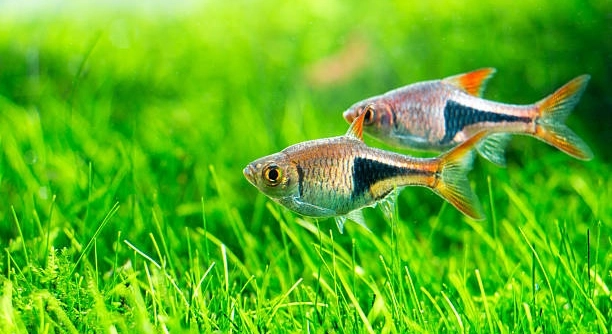
Do you ever find yourself watching your rasboras peck at random bits in the tank, wondering what they’re trying to eat? These small, curious fish often mistake unusual things for food in their environment.
Rasboras might mistake floating debris, air bubbles, fish waste, or even their own reflection for food due to their instinct to explore their surroundings through nibbling behavior. This can sometimes lead to stress or digestive issues.
Knowing what your rasbora might confuse for food helps you create a safer tank environment and supports better feeding habits for your fish.
Floating Plant Debris
Rasboras often mistake floating plant debris for food, especially after you trim live plants or during tank maintenance. These fish rely heavily on sight, and small green or brown particles drifting in the water can resemble their regular diet. If your tank includes fine-leaved plants like hornwort or cabomba, bits tend to break off and float around. This can lead rasboras to nip at things that offer no nutrition, which may reduce their interest in actual food during feeding times. While occasional nibbling doesn’t usually cause harm, frequent ingestion of inedible matter could irritate their digestive system. To help prevent this, make sure to remove loose plant bits after trimming and use a gentle current to push debris toward the filter. You might also consider choosing sturdier plants or using a net during clean-up. The cleaner the tank, the easier it is for rasboras to find what they’re actually supposed to eat.
Some plant particles can also carry bacteria or rot if left floating, which may impact water quality over time.
Watching how your rasboras behave after plant trimming can help you understand what they may be confusing for food. It’s a good idea to feed them only after you’ve tidied the tank.
Air Bubbles and Microbubbles
Rasboras may occasionally peck at rising air bubbles, especially during water changes or when using an airstone.
These bubbles reflect light in a way that catches the rasboras’ attention. Since these fish are visual feeders, they often investigate anything that moves or sparkles in the water. Microbubbles can especially look like tiny floating insects or food flakes. It’s common to see rasboras dart toward them, even though they quickly lose interest once they realize it’s not edible. This behavior isn’t usually dangerous but can be a sign that they’re hungry or looking for food stimulation. If you notice them doing this often, consider reviewing your feeding schedule and the type of food you’re using. Sinking pellets or live food may reduce their need to chase random things. Also, strong aeration setups can lead to constant bubble formation, which might keep them distracted. Try adjusting the flow or placement of your air pump to reduce unnecessary attention-grabbers.
Fish Waste and Uneaten Food
Rasboras may sometimes nibble on fish waste or old food that’s sunk to the bottom. These items can resemble bits of flake or pellet, especially when broken down.
This usually happens in tanks where leftover food is not removed quickly. Small particles can sink and break apart, blending in with the substrate. Rasboras might peck at these pieces out of habit, mistaking them for fresh food. Over time, this behavior could expose them to harmful bacteria or lead to digestive problems. Using a feeding ring can help contain food to one area, making cleanup easier. You should also watch how much your fish eat during feeding times. If there’s food left after a few minutes, you’re likely giving too much. Vacuuming the gravel regularly helps reduce this issue and keeps the bottom clean. A clean tank not only helps your rasboras find real food but also supports their overall health.
In some cases, fish waste may also carry leftover nutrients that attract more attention than expected. Rasboras might respond to the smell or movement in the water and test it out. This behavior isn’t always a cause for concern but is something to monitor. Keeping the substrate clean will reduce how often it happens.
Fish Scales and Shedding
Rasboras may sometimes peck at fish scales, especially if another fish has been injured or is shedding. These shiny fragments can resemble food particles in both size and color.
This usually happens in community tanks where fish occasionally nip at each other or lose scales from minor injury. A loose scale can drift through the water like a floating flake, catching the eye of a rasbora. Their quick movements and natural curiosity often lead them to investigate. While a single incident isn’t harmful, repeated picking can stress injured fish or lead to more damage. If you notice this happening often, check for signs of aggression or fin-nipping among tank mates. Injured fish should be separated to heal. You should also ensure rasboras are well-fed to prevent them from picking out of boredom. A varied diet and consistent feeding schedule help keep them focused on real food sources instead of tank debris.
Reflections on Glass
Rasboras can sometimes chase their own reflection on the tank glass. The movement and shimmer may resemble another fish or floating food.
This usually happens in brightly lit tanks or when the room lighting creates strong reflections. It can lead to unnecessary stress or confusion for the fish.
Sand Particles During Digging
If you have bottom-dwelling fish that stir up sand, rasboras might mistake these tiny floating bits for food. The motion draws their attention quickly.
This is more likely in tanks with fine, light-colored sand. These particles can rise easily and reflect light, looking similar to crushed flakes. When fish like corydoras or loaches sift through the substrate, they often send small puffs of sand into the water. Rasboras, especially when hungry or underfed, may dart toward these areas hoping for a bite. It’s helpful to feed rasboras slightly before or after your bottom feeders get active, so they are less inclined to react to random movement. Choosing a darker substrate can also help reduce this visual confusion. Keeping the water calm in non-filter areas might prevent sand from staying suspended too long. Watching this behavior over time will help you understand if it’s occasional curiosity or a regular habit linked to feeding needs.
Shedding Plant Matter
Soft plants like anubias or java fern may occasionally shed parts that float briefly. Rasboras often try nibbling at these bits, especially if they’re small.
What should I do if my rasbora keeps pecking at non-food items?
If your rasbora often pecks at things that aren’t food, it could be a sign they are hungry or bored. First, check your feeding routine. Make sure you’re giving the right amount of food and feeding regularly. Offering a varied diet that includes flakes, pellets, and occasional live or frozen foods can keep them more satisfied. Also, observe the tank for floating debris or waste that might attract their attention. Cleaning the tank more often and removing plant debris helps reduce confusion. Providing hiding spots and live plants can keep them engaged and less focused on nibbling at non-food objects. If their behavior continues, consider adjusting lighting or tank layout to reduce reflections or distractions.
Can pecking at non-food items harm my rasbora?
Ingesting non-food items occasionally usually doesn’t cause serious problems but can irritate the digestive tract or lead to blockages if done often. Some objects might carry harmful bacteria, increasing the risk of infections. Consistent consumption of debris can also reduce their appetite for proper food, affecting nutrition. It’s important to maintain good tank hygiene to minimize these risks. Regular water changes, substrate cleaning, and removal of uneaten food are key. Watching your fish’s behavior and health closely allows you to act quickly if any signs of illness appear. Overall, preventing repeated ingestion of non-food items keeps your rasboras healthier and more comfortable.
Why do rasboras chase their reflections?
Rasboras sometimes mistake their reflection for another fish. They react to movement or bright spots on the glass, thinking it’s a competitor or a potential mate. This behavior is natural but can cause stress if it happens too much. Reflections are often strongest when the tank is brightly lit or the room is dark with light shining inside the aquarium. You can reduce reflections by adjusting lighting or covering parts of the tank glass. Adding plants or decorations near the glass can also break up reflections. If chasing becomes aggressive or constant, consider rearranging tank elements or dimming lights.
Is it normal for rasboras to nibble on plants?
Rasboras may nibble on soft or decaying plant matter but generally do not eat healthy plants. They might try to eat small floating bits or loose leaves because it looks like food. If your plants are shedding frequently, it might attract more nibbling. Ensuring plants are healthy and trimming damaged leaves helps reduce this. Offering enough proper food reduces their need to seek out plants as a food source. Some plant types, like anubias or java fern, are tougher and less likely to shed, making them better choices for rasbora tanks.
How can I prevent my rasbora from eating fish waste or leftover food?
The best way to prevent this is by controlling how much food you give and cleaning the tank regularly. Feed only what your fish can eat in a few minutes, and remove uneaten food promptly. Use a siphon to vacuum the substrate during water changes to clear out waste. Avoid overfeeding, as leftover food breaks down and can tempt rasboras to peck at it. Introducing a feeding routine helps your fish know when to expect food, reducing random searching behavior. Using floating or sinking feeders designed for rasboras can also limit food waste.
Does chasing air bubbles affect rasbora health?
Chasing air bubbles usually isn’t harmful and often shows their natural curiosity. However, if it becomes excessive, it might indicate hunger or stress. Constant chasing can waste energy and distract them from eating properly. Adjusting feeding schedules and tank aeration may reduce this behavior. Ensuring they have enough hiding spots and a calm environment helps minimize stress-related actions like bubble chasing. Keep an eye on overall behavior to make sure it doesn’t become obsessive or aggressive.
Are certain substrates better to reduce confusion with food?
Yes, darker or coarser substrates make it easier for rasboras to distinguish real food from floating particles or debris. Light-colored sand tends to reflect light and can look like crushed flakes, leading to more pecking at the wrong things. Gravel or darker sand absorbs light and reduces reflections, helping fish focus on actual food. Additionally, a clean substrate free of waste lowers the chance of mistaken eating. Choosing the right substrate is a small but effective step in managing feeding behavior.
What diet best suits rasboras to reduce mistaken food pecking?
A balanced diet including high-quality flakes or pellets supplemented with live or frozen foods like daphnia, brine shrimp, or bloodworms meets their nutritional needs and keeps them interested in proper food. Variety helps prevent boredom and reduces the urge to nibble on random tank particles. Feeding small amounts multiple times a day mimics natural feeding habits and helps control hunger. This approach also lowers the chance of leftover food sinking and becoming mistaken for a meal.
How often should I clean the tank to prevent mistaken food pecking?
Cleaning the tank weekly or biweekly is usually enough to keep it free of excess debris and uneaten food. Regular siphoning of the substrate removes waste that could attract rasboras. Removing dead plant matter and trimming live plants after maintenance prevents floating debris. Frequent water changes maintain water quality and reduce the buildup of particles. Keeping a clean environment helps rasboras focus on real food and supports their health over time.
Can tankmates influence what rasboras mistake for food?
Yes, active bottom dwellers or messy eaters can stir up particles that rasboras mistake for food. Fish like loaches or corydoras often disturb the substrate, creating floating debris. Aggressive or fin-nipping species might cause scales or bits of tissue to drift in the water, which rasboras may peck at. Choosing peaceful, clean tankmates and monitoring interactions helps reduce unwanted debris and stress. Feeding all fish adequately and observing their behavior ensures rasboras focus on their own food rather than scattered particles.
Rasboras are curious and active fish that explore their environment by nibbling on various things in the tank. It is natural for them to mistake certain items for food because they rely mostly on sight to find what to eat. Floating plant debris, tiny particles stirred up from the substrate, or even their own reflections can catch their attention and trigger this behavior. While this is normal, it can sometimes lead to problems like digestive irritation or stress if they frequently eat things that are not meant to be food. Being aware of what might confuse your rasboras helps you create a better tank environment and avoid issues before they start.
Maintaining a clean tank is one of the best ways to reduce how often rasboras mistake things for food. Regular water changes, removing leftover food quickly, and vacuuming the substrate to get rid of waste can make a big difference. Also, choosing the right plants and substrate can help reduce floating debris and reflections that distract your fish. Feeding your rasboras a varied and balanced diet at proper intervals keeps them satisfied and less likely to peck at non-food items. When your fish are well-fed and comfortable, their behavior tends to become more focused and calm.
Finally, observing your rasboras closely is important. Watching how they behave during feeding and throughout the day gives you clues about their health and happiness. If you notice them constantly chasing bubbles, pecking at reflections, or nibbling at unusual objects, it might mean their tank needs some adjustments or their feeding routine should be reviewed. Small changes like adjusting light, rearranging decorations, or changing feeding times can improve their quality of life. Taking these simple steps helps ensure your rasboras stay healthy and enjoy a safe, stress-free home.

Hello,
If you enjoy the content that we create, please consider saying a "Thank You!" by leaving a tip.
Every little bit helps us continue crafting quality advice that supports the health, happiness, and well-being of pets around the world, for pets of all shapes, sizes, and species.
We really appreciate the kindness and support that you show us!