
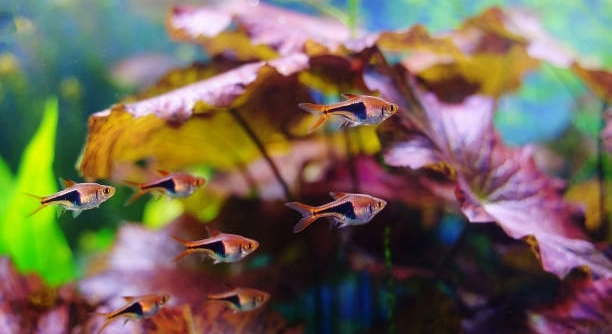
Rasboras often catch attention when they keep returning to the same spot in an aquarium. This behavior is common and can reveal a lot about their environment and comfort level. Watching them can help understand their needs better.
Rasboras return repeatedly to one spot mainly because it offers a sense of security, optimal water conditions, or access to food. Their behavior reflects natural instincts to stay safe and comfortable within their habitat, especially in the presence of suitable shelter or resources.
Recognizing why they do this can improve tank care and create a healthier space for these small fish. This article will explain the key reasons behind this behavior.
Reasons Rasboras Return to One Spot
Rasboras often return to the same spot because it provides safety and comfort. They are small, shy fish that naturally seek places where they feel protected from threats. This spot might have plants, rocks, or decorations that offer hiding places. The area could also have stable water flow and temperature, which they prefer. Sometimes, the spot is near a food source or where they can observe their surroundings without much disturbance. If the tank is new or changing, rasboras might choose a single place to reduce stress. Watching their behavior helps you notice if the environment suits them well or needs adjustment to encourage more movement. This behavior is natural and not usually a sign of illness, but it’s good to check water quality and tank conditions regularly to keep them healthy.
Rasboras choose spots based on comfort, safety, and environmental stability. These factors encourage them to return repeatedly to one area.
Recognizing these reasons helps you create a better habitat by placing plants or decorations where they feel secure. It also suggests monitoring water quality and tank changes to reduce stress. This knowledge supports healthier and more active fish in your aquarium.
How Tank Setup Influences Rasbora Behavior
Tank setup plays a major role in where rasboras prefer to stay. Plants, hiding spots, and the shape of the tank affect their movement and comfort. If a tank lacks shelter, they may cluster in one area to feel protected. Lighting and water flow also influence their choice, as rasboras avoid overly bright or strong currents. Positioning of heaters or filters can create zones with different conditions. Fish will settle where conditions suit them best. Changing decorations or adding plants can encourage more exploration and activity.
Adjusting the tank to meet rasboras’ needs can improve their comfort and activity levels.
Ensuring the tank has a balance of open space and hiding places is important. Live plants provide natural cover and oxygen, while rocks or driftwood offer shelter. Soft lighting mimics their natural habitat and reduces stress. Proper water flow ensures oxygen reaches all parts without being too strong. Regularly observing your fish’s preferred spots helps identify if the setup needs changes. These steps create a healthier environment and encourage natural behavior, helping rasboras feel safe and active in their tank.
Social Behavior and Group Dynamics
Rasboras are schooling fish, so their social behavior greatly influences where they gather. They prefer to stay close together for safety and comfort, often choosing a single spot as a group.
This schooling instinct helps protect them from perceived threats. When grouped, they feel more secure and less stressed. Staying in one spot together is natural because it allows them to react quickly if danger appears. This behavior also helps establish social bonds within the group. If the tank is too small or overcrowded, they may become stressed and stick tightly to one area. Providing enough space and proper tank mates helps promote healthy social interaction and reduces the chance they will feel cornered or anxious.
Paying attention to how your rasboras interact can reveal their comfort level. If they constantly gather in one spot, it may mean they feel safest there, but it’s also important to ensure they have room to swim and explore. Creating an environment that supports natural schooling behavior can improve their overall well-being.
Impact of Feeding Habits on Location Preference
Rasboras often return to the same spot because it is near their feeding area. They learn where food is available and wait there during feeding times. This behavior is common in many fish that adapt to regular feeding schedules.
Feeding habits affect their location choices since they associate certain areas with food. If food is consistently placed in one spot, rasboras will gather there, sometimes even before feeding begins. This spot becomes a comfortable waiting zone where they feel assured of nourishment. Over time, this can lead to habitual returning, reinforcing their preference for that area. Ensuring a balanced feeding routine and occasionally varying the feeding location can encourage more movement throughout the tank.
Feeding patterns also influence social dynamics because food competition may cause some fish to dominate the preferred spot. Spreading food evenly and feeding smaller amounts multiple times a day can reduce this behavior. Understanding how feeding impacts rasbora behavior helps maintain a healthier, more active aquarium environment.
Environmental Stress Factors
Environmental stress can cause rasboras to return to one spot frequently. Changes in water quality or temperature make them seek stable areas.
Sudden noises or movements outside the tank may also frighten them, leading to more hiding and clustering in a single place.
Role of Lighting in Rasbora Behavior
Lighting affects where rasboras feel comfortable in the tank. Too much brightness can make them seek shaded areas or corners. Soft, natural lighting encourages them to explore more freely. Harsh light causes stress and forces them to stay still in protected spots, which explains their repeated return to the same place.
Water Flow and Its Effect
Rasboras prefer gentle water flow, avoiding strong currents. Areas with calmer water are more inviting, so they tend to gather where flow is mild and consistent.
Tank Size and Space
Limited tank size can cause rasboras to cluster. More space usually means they spread out more and explore freely.
FAQ
Why do rasboras stay in one spot most of the time?
Rasboras tend to stay in one spot because they feel safe and comfortable there. That spot usually has shelter, stable water conditions, or a reliable food source. Staying in one place helps reduce their stress and makes them feel protected from possible threats. It’s a natural behavior, especially in tanks where they don’t feel fully secure yet.
Is it normal for rasboras to hide often?
Yes, it is normal for rasboras to hide. They are small fish that use hiding spots to avoid danger. If your tank has plants or decorations, rasboras will use these as shelters. However, if they hide too much or seem inactive, it might mean the water quality or tank environment isn’t ideal.
Can poor water quality cause rasboras to cluster in one area?
Poor water quality can definitely cause rasboras to gather in one spot. They look for places where conditions are better, like areas with more oxygen or less current. Regular water testing and maintenance help keep the entire tank comfortable for them, reducing clustering caused by stress.
How does tank size affect rasbora behavior?
Tank size plays a big role in rasbora activity. In smaller tanks, fish often have limited space and end up grouping together. Larger tanks allow them to swim more freely and explore different areas. Providing enough space supports their natural schooling behavior and keeps them active.
Do rasboras prefer planted tanks?
Rasboras feel more secure in tanks with live plants because plants offer natural hiding spots and help maintain water quality. Planted tanks also mimic their natural environment, which makes them less stressed and more likely to move around instead of sticking to one place.
How often should I feed my rasboras?
Feeding small amounts 2-3 times a day is best for rasboras. This keeps them healthy without overfeeding. They learn where food is given, which explains why they often gather in one spot during feeding times. Varying feeding locations can encourage them to explore more.
Can tank mates affect where rasboras gather?
Yes, tank mates can influence rasbora behavior. Aggressive or larger fish may cause rasboras to hide or stick together for safety. Choosing peaceful tank mates and giving your rasboras enough space helps them feel secure and encourages natural movement.
Why do rasboras prefer calm water?
Rasboras come from slow-moving waters, so they prefer gentle currents. Strong water flow can tire them out or stress them, making them avoid certain areas. Setting up your filter to create mild flow helps rasboras feel comfortable and more willing to swim around.
What can I do to encourage rasboras to explore more?
Adding more plants, hiding spots, and varying lighting can encourage exploration. Also, feeding food in different areas helps break their habit of staying in one place. Regular tank maintenance and stable water conditions reduce stress and support active behavior.
When should I worry about rasboras’ repetitive behavior?
If rasboras stop eating, lose color, or show signs of illness, their repeated behavior may be a problem. Otherwise, returning to one spot is usually normal. Keep an eye on water quality, tank setup, and their overall health to make sure they stay happy and active.
Rasboras returning to the same spot in an aquarium is a common behavior that can tell you a lot about their environment and well-being. These small fish naturally seek comfort and safety, which often leads them to gather in areas that feel secure. This might be a spot with plants, gentle water flow, or near a food source. Understanding why they behave this way helps in creating a tank environment that supports their needs and encourages more natural activity. It is important to observe their habits without jumping to conclusions, as this behavior is often normal and part of their instincts.
Maintaining proper tank conditions plays a key role in how rasboras behave. Factors like water quality, temperature, lighting, and tank size influence where they choose to stay. A well-planted tank with calm water flow offers them protection and comfort, reducing stress and promoting healthy social interactions. Feeding habits and tank mates also affect their movement and grouping behavior. By providing a balanced environment with enough space, hiding spots, and stable conditions, rasboras will feel more secure and less likely to remain in one place for too long.
Regular care and attention to the tank setup can make a big difference in the behavior of rasboras. Monitoring water parameters and adjusting lighting or decorations when needed helps create a habitat that encourages exploration. Small changes, like varying feeding locations or adding new plants, can also promote activity and reduce repetitive clustering. Ultimately, understanding and meeting the needs of rasboras supports their health and happiness, leading to a more dynamic and enjoyable aquarium experience.

Hello,
If you enjoy the content that we create, please consider saying a "Thank You!" by leaving a tip.
Every little bit helps us continue crafting quality advice that supports the health, happiness, and well-being of pets around the world, for pets of all shapes, sizes, and species.
We really appreciate the kindness and support that you show us!