
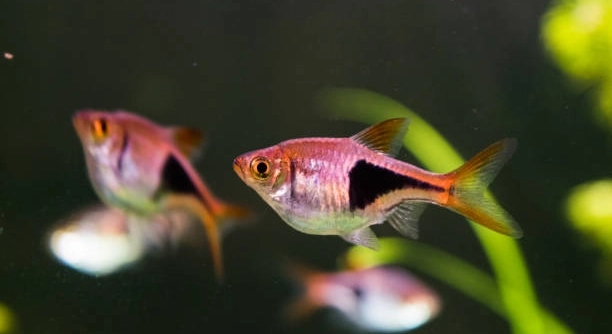
Rasboras are small, peaceful fish often kept in home aquariums. They react to changes in their environment, including noise levels. A quiet room can influence their behavior and overall well-being in subtle ways.
Rasboras adjust to a quiet room by exhibiting calmer and less stressed behavior. The reduction in external stimuli allows them to focus on natural activities such as swimming and schooling. This environment promotes their health and reduces erratic movements.
Learning how these fish adapt helps create a peaceful habitat for them. Understanding their needs ensures they thrive in quieter spaces.
How Rasboras React to a Quiet Room
Rasboras tend to be sensitive to their surroundings, including noise and movement. When placed in a quiet room, they often show signs of calmness. Their swimming becomes smoother and more coordinated. This is because fewer disturbances reduce their stress levels. In a noisy environment, they might dart around quickly or hide more often. Quiet spaces encourage them to explore more freely and interact with their tank mates in a natural way. Over time, their colors may even appear brighter, as stress can dull their appearance. Maintaining a peaceful atmosphere helps them maintain good health. It also supports their social behavior since rasboras are schooling fish and rely on a calm setting to stay together. Creating a quiet tank area means fewer interruptions, which benefits both the fish and the person caring for them. Quiet rooms promote better overall tank conditions, helping rasboras settle comfortably into their environment.
A quiet room decreases external stressors, which helps rasboras maintain a balanced and healthy behavior pattern.
A calm environment allows rasboras to develop regular routines. They will feed more easily and engage in schooling without panic. This stability encourages natural growth and reproduction behaviors, which might be suppressed in noisy conditions.
Creating the Ideal Quiet Environment
Quiet rooms provide less vibration and sound, which are less likely to startle rasboras. This is important because sudden noises can trigger stress responses. These fish thrive when their surroundings are consistent and gentle.
To maintain this, position the tank away from loud appliances and heavy foot traffic. Use soft lighting and avoid tapping on the glass, as this can cause distress. Regular maintenance should be done calmly to prevent sudden disturbances. A quiet room should also have stable temperature and water quality, as these factors contribute to a stress-free environment. Keeping noise low helps rasboras feel secure and reduces the chances of illness caused by stress. Many owners notice that rasboras in quieter spaces show more natural colors and activity levels. This environment benefits both the fish’s physical health and their social habits, making it easier for them to thrive. Consistency in the tank’s surroundings is key to supporting their well-being.
Signs of Stress in Rasboras
Rasboras show stress through changes in behavior and appearance. They may hide more often, swim erratically, or lose their bright colors. These signs indicate they are uncomfortable with their environment.
Stress affects their immune system, making them vulnerable to illness. Prolonged stress can stunt their growth and reduce lifespan. Stress can also cause rasboras to stop eating or isolate themselves from the school. Watching for these behaviors helps catch problems early. Ensuring a quiet, stable environment reduces stress and promotes healthy activity. If you notice sudden changes, check water quality and noise levels, as these are common stress factors. Keeping a calm atmosphere is essential to help them feel secure.
When rasboras are relaxed, they swim confidently and display their natural colors. Healthy fish engage with their tank mates, showing balanced social behavior. Recognizing these signs helps maintain their well-being.
Adjusting to Environmental Changes
Rasboras adapt gradually when their surroundings change. Sudden loud noises or vibrations may startle them, but they usually recover quickly if the disturbance stops. Consistent quiet helps them build trust in their environment.
Providing hiding spots supports this adjustment. Plants and decorations offer refuge where rasboras can retreat if stressed. They learn to associate quiet periods with safety, which helps reduce fear responses. Over time, they will become more active and curious in a stable setting. Keeping changes slow and predictable prevents prolonged anxiety. This steady approach ensures their comfort and encourages natural behaviors. Patience is key when helping rasboras adjust to new environments or conditions.
Quiet Room Benefits for Rasboras
Quiet rooms reduce sudden noises that can scare rasboras. This peaceful setting helps them stay calm and relaxed. They swim smoothly and interact better with other fish in such environments.
Less noise also means less stress, which supports their immune system. A calm habitat encourages healthy growth and vibrant colors, improving their overall well-being.
How to Minimize Noise Around the Tank
Position the tank away from loud appliances or areas with heavy foot traffic. Soft, steady sounds are less likely to disturb the fish. Avoid tapping on the glass or making sudden loud noises near the aquarium.
Maintaining consistent quiet periods during the day helps rasboras settle. This creates a more natural environment that mimics their native habitats, where noise is minimal.
Feeding Behavior in Quiet Spaces
Rasboras feed more confidently when undisturbed. They are less likely to hide or show stress during feeding times. Quiet surroundings improve their appetite and reduce competition stress within the school.
Encouraging Natural Schooling Behavior
A calm environment supports better schooling, as rasboras feel safer sticking together. Noise-free spaces help them coordinate movements and maintain social bonds, essential for their happiness.
FAQ
How long does it take for rasboras to adjust to a quiet room?
Adjustment time varies depending on the fish and previous environment. Generally, rasboras begin showing calmer behavior within a few days to a week. They need time to get used to reduced noise and less movement outside the tank. During this period, they might still be cautious but gradually start swimming more confidently and engaging with their tank mates. Consistency in maintaining a quiet space helps speed up this process. Avoid sudden changes to keep stress low and allow smooth adaptation.
Can too much quiet be harmful to rasboras?
Rasboras do not require constant noise or activity to thrive. A quiet environment mimics their natural habitat where sounds are minimal. However, complete silence is not necessary. Normal household sounds that are steady and gentle won’t disturb them. Sudden loud noises or vibrations cause stress, but soft background noise usually does not. The key is avoiding unpredictable disruptions rather than total silence. Quietness helps them feel safe and promotes natural behavior.
What are the best ways to create a quiet environment for rasboras?
Place the aquarium away from busy areas like kitchens or living rooms with frequent noise. Use thick curtains or room dividers to reduce sound transmission. Avoid placing the tank near loud appliances such as washing machines or televisions. Maintain steady lighting and limit tapping or banging on the tank glass. Soft background sounds like a quiet fan or aquarium filter hum are fine. Creating a stable, low-noise zone around the tank supports rasboras’ comfort and health.
Why do rasboras become more colorful in quiet rooms?
Stress dulls the natural coloration of fish. In a quiet room, rasboras experience less stress and feel safer. This allows their true colors to shine through. Calm surroundings reduce the production of stress hormones that affect pigmentation. Bright, consistent lighting combined with a peaceful setting enhances their vibrant scales. When rasboras are relaxed and healthy, their colors become richer, making the aquarium more visually appealing.
How does noise affect the social behavior of rasboras?
Rasboras are schooling fish that rely on group dynamics for safety and comfort. Loud noises or sudden disturbances cause them to scatter or hide, disrupting their social bonds. In quiet environments, they swim together smoothly and display natural schooling behavior. This reduces aggression and stress within the group. A stable atmosphere helps maintain these social structures, which are vital for their mental and physical health.
Is it normal for rasboras to hide more in noisy environments?
Yes, hiding is a common stress response in noisy or busy surroundings. Rasboras instinctively seek shelter when startled or disturbed. Frequent hiding indicates they do not feel safe in their environment. In contrast, a quiet room encourages them to explore and interact openly. Providing hiding spots in the tank helps, but reducing external noise is the best way to prevent excessive hiding behavior.
Can changing the room noise levels improve rasbora health?
Lowering noise levels can improve rasbora health by reducing stress. Stress weakens their immune systems, making them vulnerable to disease. A calm environment supports regular feeding and active swimming. Over time, this leads to better growth and coloration. Noise reduction is an easy and effective way to support their well-being without changing water conditions or tank setup.
Do rasboras react differently to human voices in quiet rooms?
Rasboras can become accustomed to soft, steady human voices if exposure is consistent and gentle. Loud talking or shouting near the tank causes stress. In quiet rooms, calm voices may actually comfort them over time. The key is predictable, low-volume sounds that do not startle. This helps rasboras recognize humans as part of their environment rather than a threat.
How can I tell if my rasboras are stressed from noise?
Signs of noise-related stress include erratic swimming, loss of appetite, faded colors, and excessive hiding. You may also notice increased aggression or lethargy. If these behaviors appear after loud or frequent disturbances, noise is likely a factor. Monitoring their behavior and adjusting the environment can help reduce stress. Providing a quiet, stable setting is crucial for their recovery and long-term health.
Should I move my rasboras to a quieter room if they seem stressed?
Moving rasboras to a quieter room can significantly reduce stress if noise is the problem. Choose a location with less foot traffic and away from noisy appliances. Make the move gently to avoid additional stress. Gradually adjust lighting and feeding routines in the new space. Monitor their behavior to ensure they settle well. A quieter environment supports relaxation and natural activity.
Final Thoughts
Creating a quiet environment for rasboras is an important part of caring for them properly. These small fish respond strongly to the noise and activity around their tank. When placed in a quiet room, they tend to show calmer and healthier behavior. Reducing sudden noises and vibrations helps them feel safe and reduces stress. This peaceful setting encourages natural swimming and social interaction, which are essential for their well-being. Maintaining a stable environment where the noise level is low supports their immune system and overall health. It also makes their colors brighter and their movements smoother, which shows they are comfortable and thriving.
Quiet spaces do not mean complete silence, but rather an absence of loud, sudden noises that can disturb the fish. Soft and steady background sounds, like a gentle aquarium filter hum, usually do not bother rasboras. The key is avoiding abrupt changes in noise that might startle them. Positioning the tank away from busy areas and loud appliances helps reduce disturbances. This simple adjustment can have a big impact on how rasboras behave. When they are not stressed by noise, they feed better, stay more active, and display natural schooling behavior. These signs indicate they feel secure in their habitat, which is the goal of any fish owner.
Ultimately, understanding how rasboras adjust to a quiet room helps create a more enjoyable experience for both the fish and their caretaker. Paying attention to their behavior and making small changes to reduce noise can improve their quality of life. Quiet rooms provide a calm atmosphere that supports their health and happiness. While other factors like water quality and diet remain important, the role of a peaceful environment should not be overlooked. Taking the time to create a quiet space benefits rasboras in many ways and contributes to a thriving aquarium.

Hello,
If you enjoy the content that we create, please consider saying a "Thank You!" by leaving a tip.
Every little bit helps us continue crafting quality advice that supports the health, happiness, and well-being of pets around the world, for pets of all shapes, sizes, and species.
We really appreciate the kindness and support that you show us!