
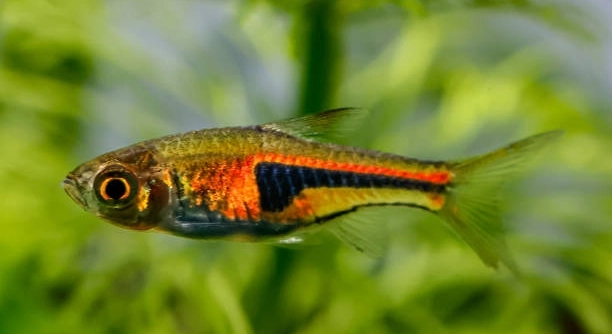
Rasboras are popular aquarium fish known for their vibrant colors and active swimming. At feeding time, some owners notice these fish suddenly scatter or dart around the tank. This behavior can be puzzling and concerning for anyone caring for them.
Rasboras may scatter at feeding due to stress, water quality issues, sudden movements, overcrowding, improper feeding techniques, incompatible tank mates, or lack of hiding places. These factors influence their natural instincts and comfort during feeding times.
Understanding why rasboras behave this way helps improve their environment and feeding routine. This article will explain seven common reasons behind their scattering at feeding time.
Stress and Sudden Movements
Rasboras are sensitive to their environment, and sudden movements around the tank can cause them to scatter quickly. Loud noises, tapping on the glass, or fast hand movements can startle them during feeding. Even quick changes in lighting or shadows can trigger their instinct to flee. Stress weakens their immune system and can make them less willing to eat, affecting their overall health. Creating a calm and steady atmosphere during feeding helps rasboras feel safer. Moving slowly and avoiding abrupt actions will encourage them to stay calm and eat normally.
Stress from sudden stimuli can cause rasboras to scatter, disrupting feeding behavior and causing health problems over time.
Minimizing rapid movements and loud noises near the tank supports a stable feeding routine. Consistent lighting and gentle handling during feeding promote comfort, making rasboras less likely to scatter and more likely to enjoy their meals.
Poor Water Quality
Poor water quality is a major reason rasboras scatter during feeding. If the water contains high levels of ammonia, nitrites, or nitrates, it can irritate the fish, causing them to swim away quickly. Dirty or cloudy water reduces oxygen levels, which stresses the fish. Regular water testing and maintenance are essential to keep conditions stable. Changing about 20-30% of the water weekly helps maintain cleanliness and proper chemistry. Filters need to be cleaned and checked to ensure they work well. Good water quality not only improves feeding behavior but also keeps rasboras healthy and active in the long term.
Keeping water clean and balanced helps rasboras feel safe and comfortable. Fish in well-maintained tanks feed more confidently and show less scattering during mealtime. Neglecting water quality risks stressing the fish and disrupting their normal behavior. Regular care is key to preventing these issues and promoting a peaceful feeding environment for your rasboras.
Overcrowding in the Tank
Overcrowding can make rasboras feel unsafe and stressed during feeding times. Too many fish in a small space limit their swimming room, causing them to scatter when food is introduced.
When the tank is overcrowded, rasboras compete for space and food, increasing stress levels. This can lead to aggressive behavior and rapid swimming as they try to avoid each other. Overcrowding also reduces water quality faster, which adds to their discomfort. Ensuring your tank has enough space for all its inhabitants helps rasboras stay calm and focused during feeding. A good rule is to provide about one gallon of water per inch of fish, though some species may need more space.
Providing adequate hiding spots and maintaining proper fish numbers improves feeding behavior. Fish with enough room feel less threatened and are less likely to scatter when food is introduced, making feeding time calmer for everyone.
Incompatible Tank Mates
Some tank mates can intimidate or harass rasboras, causing them to scatter during feeding. Aggressive or larger fish may chase or block access to food.
Aggressive tank mates disrupt feeding by creating tension and competition. Rasboras are small and peaceful fish, so placing them with larger, territorial, or aggressive species can cause stress. This behavior makes rasboras hide or swim away quickly when food is present, reducing their feeding efficiency. Careful selection of tank mates is important. Opt for calm, similarly sized fish to maintain harmony. Observe interactions regularly and remove any fish that cause persistent aggression. A balanced community tank supports healthy feeding habits and reduces stress-related scattering among rasboras.
Improper Feeding Techniques
Feeding too much or too quickly can overwhelm rasboras, causing them to scatter. Uneven distribution of food may also lead to frantic competition.
Feeding small amounts slowly helps rasboras eat calmly. Using sinking pellets or spreading flakes across the tank allows all fish to access food comfortably.
Lack of Hiding Places
Rasboras feel vulnerable without places to hide during feeding. Sparse tanks make them more likely to dart away quickly.
Adding plants, decorations, or caves gives rasboras safe spots to retreat. This reduces stress and encourages more relaxed feeding behavior.
Water Temperature Fluctuations
Sudden changes in water temperature cause stress in rasboras. Temperatures outside their preferred range make them unsettled and prone to scattering at feeding time.
FAQ
Why do my rasboras scatter only at feeding time?
Rasboras often scatter during feeding due to stress, sudden movements, or competition for food. They are naturally cautious fish and can be startled easily. Overcrowding, poor water quality, or aggressive tank mates also increase their anxiety during feeding, making them swim away quickly.
How can I reduce stress for my rasboras during feeding?
Keep the environment calm by avoiding sudden movements or loud noises near the tank. Feed small amounts slowly and evenly across the tank so all fish have access to food. Providing plenty of hiding places and maintaining good water quality reduces stress and encourages calmer behavior.
Is overcrowding a common cause of scattering?
Yes, overcrowding limits swimming space and causes competition for food. This heightens stress and can cause rasboras to scatter to avoid other fish. Ensuring adequate tank size and appropriate fish numbers helps reduce this problem.
Can tank mates affect my rasboras’ feeding behavior?
Aggressive or larger fish can intimidate rasboras, making them hide or scatter during feeding. Choosing peaceful, similar-sized tank mates creates a more balanced environment and reduces tension at mealtime.
What feeding techniques work best to prevent scattering?
Feeding small portions slowly prevents sudden competition and reduces frantic swimming. Distributing food evenly across the tank allows shy rasboras to access it comfortably without feeling rushed or crowded.
How important is water quality in feeding behavior?
Water quality is crucial. Poor conditions cause irritation and stress, making fish less likely to feed calmly. Regular water changes, testing, and proper filtration maintain a healthy environment, encouraging normal feeding patterns.
Do hiding places really make a difference?
Yes, hiding spots provide security, reducing fear and stress. Plants, rocks, or decorations offer safe retreats where rasboras can feel protected, helping them stay calm and focused during feeding.
Can temperature changes cause rasboras to scatter?
Sudden or extreme temperature fluctuations upset rasboras. Keeping water within their preferred range ensures comfort and reduces erratic behavior during feeding. Using a reliable heater and thermometer helps maintain stable temperature.
How often should I feed my rasboras?
Feeding once or twice daily with small portions is ideal. Overfeeding can cause water quality problems and stress. A balanced feeding schedule supports healthy behavior and prevents scattering linked to hunger or excess food.
What signs show that my rasboras are stressed besides scattering?
Other signs include hiding excessively, loss of color, sluggishness, or erratic swimming. Not eating or gulping air at the surface also indicate stress. Addressing water quality, tank mates, and feeding routines helps reduce these symptoms.
Rasboras are beautiful and lively fish, but their scattering behavior at feeding time can be confusing and worrying. Understanding the reasons behind this reaction helps create a better environment for them. Many factors can cause rasboras to scatter, such as stress from sudden movements, overcrowding, poor water quality, or incompatible tank mates. Each of these issues affects the comfort and safety they feel in the tank. When these conditions are improved, rasboras tend to feed more calmly and show healthier behavior overall.
Maintaining good water quality is one of the most important steps in keeping rasboras comfortable. Regular water changes, proper filtration, and monitoring chemical levels reduce stress and prevent illness. Overcrowding also plays a big role in how fish behave. Providing enough space and avoiding aggressive or territorial tank mates will help rasboras feel less threatened. It is equally important to pay attention to feeding habits. Feeding small amounts slowly and evenly distributed across the tank allows every fish to eat without competition or panic. Adding hiding places like plants or decorations offers them security, reducing their instinct to scatter when food appears.
Keeping rasboras calm during feeding requires attention to detail and consistency. A quiet environment with minimal sudden disturbances goes a long way in reducing stress. Watching your fish closely and adjusting their tank setup or feeding routine can make a significant difference in their behavior. These changes will not only help rasboras feed more peacefully but also improve their overall health and happiness. Small efforts in care create a positive impact, making your aquarium a stable and comfortable home for your rasboras.

Hello,
If you enjoy the content that we create, please consider saying a "Thank You!" by leaving a tip.
Every little bit helps us continue crafting quality advice that supports the health, happiness, and well-being of pets around the world, for pets of all shapes, sizes, and species.
We really appreciate the kindness and support that you show us!