
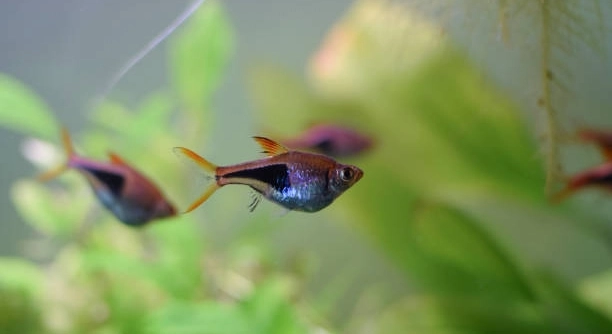
Have you ever watched your rasboras swimming and started to notice little quirks in how each one behaves over time?
Rasboras can develop consistent behavioral patterns that resemble personality traits, especially in stable environments. Research in fish cognition suggests that individual differences in activity level, boldness, and sociability may emerge and persist across time.
Learning how these traits evolve can help you understand your rasboras better and create a more enriching, peaceful aquarium environment.
What Personality Looks Like in Rasboras
Rasboras are small schooling fish, but that doesn’t mean they all act the same. Some may spend more time exploring, while others stay close to the group. Over time, you might notice certain rasboras reacting differently to new tank mates, feeding routines, or lighting changes. These behaviors can become consistent, making each fish easier to recognize. While rasboras are not as expressive as some larger fish, their activity levels, boldness, and feeding patterns can start to reflect unique temperaments. Environmental stability plays a big role—predictable surroundings allow natural traits to show. Differences might seem subtle at first, but when observed regularly, they become easier to identify. Watching how rasboras interact in a group also helps spot individual traits. These small fish are more complex than they seem, and their behaviors often reflect more than just instinct. Regular observation is the key to understanding their subtle behavioral shifts.
Some rasboras are naturally more curious, while others stay back and watch. These tendencies often become clear with time.
Noticing personality in rasboras helps make daily care more rewarding. Whether it’s one fish darting for food first or another always hiding in a corner, these differences make your tank feel more alive. Rasboras thrive in groups, but within those groups, individuals still stand out. By observing their routines and interactions, it becomes easier to spot patterns that go beyond randomness. It’s not about assigning human traits, but recognizing behavior that is reliably different across time and situations. You don’t need to be an expert to see it—just pay attention. Feeding time, group movement, and rest periods can all highlight subtle distinctions. Some rasboras respond quickly to changes, while others stay cautious longer. These patterns offer useful insights when making decisions about tank setup or choosing future tank mates. As long as the environment remains steady and stress-free, their individual habits continue to grow more noticeable.
Factors That Influence Personality
A rasbora’s personality can be shaped by both genetics and environment. Tank size, water conditions, lighting, and even feeding routines all impact behavior.
When rasboras are raised in consistent, well-maintained tanks, they are more likely to develop and maintain stable traits. Poor conditions, on the other hand, can mask or even suppress individuality due to stress. Water temperature, filtration, and lighting levels affect activity and comfort. Rasboras kept in groups of proper size are also more likely to display their natural tendencies, since they rely heavily on social interaction. A calm tank environment allows these fish to show predictable behaviors like boldness, exploration, or feeding preference. Changes in surroundings—such as new plants or tank mates—can shift behavior temporarily, but core traits tend to return once things settle. Over time, regular exposure to gentle human interaction, predictable feeding, and balanced lighting can help rasboras build comfort and show unique responses. These responses gradually shape what we perceive as personality.
Observing Changes Over Time
Watching rasboras regularly is the best way to notice how their behavior changes. Their routines, reactions, and social roles in the group can shift as they grow and become more familiar with their surroundings.
At first, rasboras may act more cautiously in a new tank. Over time, as they adapt, some begin to explore more while others stick to safe zones. These patterns aren’t random—they often continue and become part of that fish’s normal behavior. Feeding routines reveal a lot too. One rasbora might always eat first, while another stays near the back. Even the way they respond to sudden movement or light shifts shows individual comfort levels. These reactions usually stay consistent. By watching the same group each day, you’ll start to pick out familiar habits. It’s small things, but they tell you which rasbora is becoming more confident or still prefers to hang back.
If a rasbora changes suddenly—like becoming aggressive or hiding all the time—it might be reacting to a stressor, not just developing a new personality trait. Health, water quality, or a new tank mate can all affect behavior. But if the environment stays the same and the rasbora still acts differently over time, it’s likely showing its true personality. Sometimes, the quieter rasbora in a group slowly becomes more confident and starts leading others around. Or one that used to hide begins to come forward more at feeding time. These changes happen slowly, but they last. You may not notice it day by day, but over weeks or months, the differences stand out. Keeping track of these changes—mentally or with notes—can make care easier and more personal. It also helps you respond faster if something seems off.
How Tank Setup Supports Personality
A steady and enriching tank environment allows rasboras to show consistent behaviors. They need structure, space, and familiar surroundings to express themselves comfortably.
Tank size plays a key role in how rasboras behave. A small, crowded space can lead to stress and stop personality traits from developing. In contrast, a well-planted, moderately sized tank offers room for exploration and hiding. These spaces let more confident rasboras explore freely while shy ones feel safe staying tucked away. Keeping water parameters stable helps as well—fluctuating temperature or pH levels can cause stress and make behaviors harder to read. Group size matters too. Rasboras thrive in schools, and having enough tank mates encourages natural behaviors like coordinated swimming, play, or occasional chasing. Balanced lighting, hiding spots, and a clear feeding routine support personality development by lowering anxiety. The calmer the space, the more freely they act. Over time, this structure allows rasboras to form habits that reflect their true preferences and comfort zones.
Signs Your Rasbora Has a Distinct Personality
Some rasboras consistently swim ahead of the group, explore new spaces first, or eat before others. These repeated actions suggest confidence or boldness developing over time.
Others may stay near hiding spots, avoid sudden movements, or lag during feeding. These are common signs of cautious or shy behavior becoming more stable.
How to Encourage Natural Behavior
Keeping your rasboras comfortable helps them act naturally. Use live plants, soft lighting, and quiet tank mates to reduce stress. A balanced diet and routine feeding time also give structure. When fish know what to expect, they relax and follow their natural patterns. Avoid loud noises or fast movements near the tank. When the environment stays calm and consistent, rasboras begin to act more individually. Observation matters—spending even a few minutes daily watching helps you recognize subtle habits. Limit sudden changes to their space, and let them adapt at their own pace. A stable setup supports confidence and brings out their natural traits.
What to Avoid
Avoid overcrowding, poor water quality, and frequent changes to tank layout. These stressors can prevent rasboras from developing or showing consistent behavior over time.
FAQ
Do rasboras really have unique personalities?
Yes, rasboras can develop distinct behavioral traits over time. While they may not have personalities like mammals, they show consistent patterns in how they explore, interact, and react. These behaviors become clearer in a stable environment with regular observation.
How long does it take to see personality traits in rasboras?
It usually takes several weeks for consistent behaviors to emerge. Rasboras need time to adjust to their tank and surroundings. As they become more comfortable, their natural tendencies, like boldness or shyness, start to show regularly.
Can personality change if I move my rasboras to a new tank?
Yes, changes in environment can temporarily alter behavior. Rasboras may act more cautious or stressed at first. However, if the new tank is stable and comfortable, their core behaviors often return after they settle in.
Does the size of the group affect their behavior?
Group size strongly influences rasbora behavior. They are schooling fish, so being in small groups can stress them. Larger groups encourage natural social interactions, allowing personalities to develop more clearly as they find their place in the school.
Are some rasbora species more likely to show personality differences?
Some species, like the Harlequin Rasbora, are known for more active and bold behavior, making personality differences easier to notice. Other species may be naturally shy or timid, so their personality traits can be more subtle.
How can I tell if a behavior is personality or a health problem?
Sudden changes, such as hiding constantly or refusing food, often indicate stress or illness rather than personality. Consistent behaviors over time, like being the first to explore or regularly staying at the back, are signs of personality.
Can I encourage my rasbora to be more outgoing?
A calm and enriching environment helps rasboras feel safe enough to show bold behavior. Gentle feeding routines and avoiding sudden tank changes encourage confidence. However, personality traits like shyness or boldness mostly depend on the individual fish.
Is it normal for some rasboras to be more dominant?
Yes, some rasboras naturally take on leadership roles within the group. Dominance might show through who leads when swimming or eats first. This behavior is part of their social structure and reflects their individual traits.
Should I separate a rasbora that seems aggressive?
Aggression in rasboras is rare but can happen, often due to stress or overcrowding. Before separating, check tank conditions and group size. If aggression persists and harms others, it’s best to isolate the fish for its safety.
Do rasboras bond with their owners?
While they don’t bond like pets such as dogs or cats, rasboras can recognize feeding routines and show less fear around their owner’s presence. They may swim closer during feeding time, which reflects learned behavior more than emotional bonding.
Will personality traits affect breeding?
Personality can influence breeding behavior. Bold and confident rasboras might be more successful at spawning, while shy ones may hide or avoid mating areas. Understanding these traits can help create a better breeding environment.
How can I best observe my rasboras’ personalities?
Spend a few minutes daily watching their behavior during feeding, resting, and group movement. Take note of which fish explores first, which stays cautious, and how they interact with each other. Consistent observation reveals patterns that help you understand their unique traits.
Can rasboras adapt their personalities to new tank mates?
Yes, rasboras adjust their behavior depending on who they live with. Friendly, peaceful tank mates encourage confidence. Aggressive or very active species may cause rasboras to become more shy or stressed, masking their true personality.
Are personality traits hereditary in rasboras?
There is some evidence that behavior traits can be passed genetically. However, environment plays a larger role in how these traits develop and express. Good care and a stable tank support positive behavior regardless of genetics.
What if my rasboras don’t seem to have personality differences?
Not all fish will show strong or obvious personality traits. Some rasboras naturally behave very similarly. This doesn’t mean they don’t have unique traits—just that their differences are subtle or hard to notice without close, long-term observation.
How do stress and illness impact personality?
Stress and illness can temporarily suppress or change behavior, making rasboras hide more or act unusually. When healthy and stress-free, they return to their typical behavior patterns. Keeping the tank clean and stable is essential for true personality to show.
Can personality traits help in choosing tank mates?
Yes, understanding your rasboras’ behavior helps pick compatible species. More active or bold rasboras do better with similar or peaceful fish. Shyer rasboras may need calmer tank mates to avoid stress and allow their personalities to develop comfortably.
Is it worth trying to train or interact with rasboras?
While they don’t learn tricks, rasboras can get used to feeding routines and recognize your presence. Regular, gentle interaction helps reduce fear and encourages natural behavior, making the tank more enjoyable for both you and the fish.
What role does diet play in behavior?
A balanced diet supports health and energy levels, influencing how active and responsive rasboras are. Poor nutrition can cause lethargy or irritability, masking personality traits. Feeding varied and quality foods encourages consistent natural behavior.
How can I document rasbora behavior over time?
Keeping a simple journal or taking quick notes on feeding order, reactions to changes, and social interactions can help track personality development. Photos or videos also provide a helpful record to compare behaviors over weeks and months.
Rasboras are more than just small fish swimming in a tank. Over time, they can show consistent behaviors that seem like personality traits. These behaviors include how they explore their environment, how they react to other fish, and how they respond to feeding. Watching these patterns develop requires patience and regular observation. When rasboras live in a stable and comfortable tank, their true nature starts to come through. Each fish may behave differently, making your aquarium more interesting and easier to understand.
Creating the right environment is key to helping rasboras show their unique behaviors. Factors like tank size, water quality, lighting, and group size all affect how these fish act. A well-planted tank with stable water conditions lets them feel safe enough to express their natural tendencies. Rasboras thrive in schools, so having enough companions encourages normal social behavior. When they are not stressed by poor conditions or overcrowding, their personality traits become clearer. Simple routines, such as feeding at the same time every day, also help build their confidence and comfort.
Understanding rasbora personalities can improve your experience as an aquarium keeper. Knowing which fish are more outgoing or shy helps with care decisions and choosing tank mates. It can also make feeding and interacting with your fish more enjoyable. While personality traits in fish are not the same as in mammals, recognizing these differences adds depth to the hobby. Taking time to observe and support your rasboras’ behavior creates a healthier, more peaceful tank. In the end, these small details bring life and character to your aquarium.

Hello,
If you enjoy the content that we create, please consider saying a "Thank You!" by leaving a tip.
Every little bit helps us continue crafting quality advice that supports the health, happiness, and well-being of pets around the world, for pets of all shapes, sizes, and species.
We really appreciate the kindness and support that you show us!