
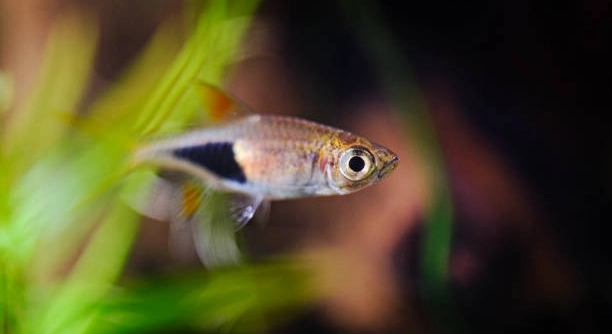
Do you ever find yourself watching your rasboras swim and wondering if their behavior means they feel safe and happy in your tank?
Comfortable rasboras display certain movements such as steady schooling, active exploration, and smooth, unhurried swimming patterns. These behaviors often signal that the fish are stress-free and well-adjusted to their environment.
Recognizing these signs can help you create a tank where your rasboras can truly thrive. Each movement tells a small part of their comfort story.
Steady Schooling Is a Sign of Security
Rasboras are natural schoolers, and when they move together in a tight group, it usually means they feel safe. In the wild, schooling protects them from predators. In a home aquarium, it gives them confidence. A relaxed school of rasboras will swim in harmony, often making small turns together or gliding around the tank as a unit. If the group breaks apart frequently or individual fish isolate themselves, it might be a sign of stress. A comfortable group stays close but not overly frantic. Their movements are smooth, not rushed. Strong schooling behavior shows that your tank provides enough space, proper water conditions, and low stress. You’ll often notice them swimming near the middle or top part of the tank, where they feel safest.
Schooling also helps rasboras feel less anxious, especially in busy or noisy environments. It’s their way of feeling protected.
If your rasboras school naturally and calmly, you’re likely providing the right environment. Keep tank mates peaceful and avoid sudden changes. Rasboras do best in groups of at least six, so make sure your tank holds enough of them. A steady group will explore more freely, feed better, and show less aggression. Their movement will look like a flowing ribbon, not scattered or jerky. Watching this peaceful behavior is a good reminder that a healthy aquarium starts with calm, content fish.
Gentle Exploration Means Comfort
Calm, curious swimming around plants and decorations is another good sign your rasboras feel at ease in the tank.
When rasboras are comfortable, they explore slowly and evenly. You may see them glide near the bottom or through plants, then return to their group. This behavior shows they feel safe enough to move away from their school for a short time. Fish that are stressed usually hide in corners or dart around quickly. But relaxed rasboras take their time. They check out new items in the tank, like driftwood or a new rock, often pausing briefly as if deciding where to go next. Their movements are smooth and unhurried. They don’t stay in one place too long but also don’t rush. Watching your rasboras explore without fear is a good sign that your water quality, lighting, and tank layout are meeting their needs. Try not to overcrowd the tank or change decorations too often, as this can disturb their comfort.
Smooth Swimming with No Jerky Movements
Rasboras that feel safe tend to swim with slow, graceful movements. They glide easily through the water without twitching or making sudden turns. Their pace stays even and controlled, especially when the tank is quiet.
When rasboras are stressed, they often swim in short, fast bursts or jerk around suddenly. This may mean they feel threatened or are reacting to poor water quality. Comfortable rasboras, on the other hand, move in a relaxed rhythm. They don’t avoid certain parts of the tank, and their swimming path is fluid. This calm movement shows that their environment feels secure. Lighting that’s too bright or constant noise can cause erratic behavior, so aim for soft lighting and a peaceful setting. Observe them closely after feeding or during tank maintenance—if they resume smooth swimming quickly, that’s a great sign they’ve adjusted well.
Keeping water parameters stable also helps. Sudden changes in pH or temperature can cause jerky swimming. Rasboras prefer slightly acidic water and warm temperatures. Make changes slowly if adjustments are needed. Their smooth swimming patterns will return once they feel stable again. Also, check for sharp tank decorations or strong currents from filters, as these can stress them out. When everything feels just right, their movement becomes almost effortless.
Active Feeding Behavior
Comfortable rasboras swim toward food eagerly and eat without hesitation. You’ll see them dart up to grab flakes or nibble slowly on sinking food. Their energy during feeding is steady but not frantic.
A healthy rasbora will join the group at the top or middle of the tank when food is added. They don’t hide or wait until others are done. Active feeding shows their appetite is strong and they trust the environment enough to be out in the open. If one or more rasboras avoid food, it could mean they’re stressed, sick, or being bullied by other fish. Watch how they behave before and after meals—lingering near the surface or gently swimming afterward usually means they’re satisfied and not feeling threatened. Overfeeding can also stress fish, so try feeding small amounts twice a day and removing leftover food quickly.
Feeding is also a good time to check if all rasboras are behaving similarly. One fish skipping a meal might not be a concern, but if several do, it’s worth checking the water or watching for signs of illness. Look for dull coloring, fin clamping, or lethargy. Comfortable rasboras keep their colors bright, move well, and feed in sync with others. Keeping this routine predictable will help maintain their comfort.
Resting Calmly Without Hiding
Comfortable rasboras rest quietly in open areas or near plants without pressing themselves into corners. They don’t try to hide unless something startles them. Resting with gentle fin movement shows they’re relaxed and not feeling under threat.
If they constantly hide or stay near the bottom, it may mean stress. Calm rest is short and natural-looking, often between swimming sessions.
No Signs of Chasing or Bullying
When rasboras feel secure, they rarely chase or nip at one another. Peaceful swimming with few signs of aggression shows they feel safe in their group. Mild chasing may happen during feeding but shouldn’t be ongoing. Constant chasing is usually caused by stress, overcrowding, or uneven group sizes.
Interacting with Tank Mates Naturally
Rasboras that feel comfortable won’t shy away from other peaceful fish. They swim nearby or even alongside them without panic or sudden avoidance. If they constantly retreat, it could mean the tank mates are too active, aggressive, or the tank feels too exposed. Watching their reactions helps you spot what needs adjusting.
How many rasboras should be kept together?
Rasboras are schooling fish and feel safest in groups. Keeping at least six together is ideal. Smaller groups may cause stress and odd behavior because they don’t have enough company to feel secure. Larger groups encourage natural schooling movements and reduce aggression. A group of six to ten rasboras in a properly sized tank creates a peaceful environment where they swim smoothly and explore confidently.
What tank conditions help rasboras feel comfortable?
Stable water conditions are essential. Rasboras prefer slightly acidic to neutral pH (6.0 to 7.0) and temperatures between 74°F and 82°F (23°C to 28°C). Avoid sudden changes in water parameters as these stress fish and disrupt their behavior. Soft lighting and gentle water flow also help them stay calm. Decorations like plants and driftwood provide hiding spots without overcrowding. Keeping the tank clean with regular water changes supports their health and encourages relaxed swimming and feeding habits.
Why do rasboras sometimes swim erratically?
Erratic swimming often signals stress or discomfort. Causes include poor water quality, overly bright lighting, strong currents, or aggressive tank mates. It can also indicate illness or sudden changes in the tank environment. When rasboras feel secure, they swim smoothly and in groups. If jerky movements appear, check water parameters first, then consider lighting or tank layout adjustments. Proper care and a peaceful setting usually restore calm behavior quickly.
How can I tell if my rasboras are stressed?
Signs of stress include hiding excessively, loss of appetite, dull colors, fin clamping, and erratic swimming. Avoid overcrowding and keep the water clean to prevent stress. Watch their schooling behavior closely; if they stop swimming together or isolate themselves, stress is likely. Addressing tank conditions and reducing disturbances can help them return to normal.
Is it normal for rasboras to rest near the bottom?
While rasboras mostly swim mid to upper tank levels, resting near the bottom occasionally can be normal, especially at night or after feeding. However, constant bottom-dwelling may indicate illness, poor water quality, or stress. If resting fish appear lethargic, have clamped fins, or show color changes, test water and observe for other symptoms. Comfortable rasboras rest calmly but won’t stay hidden long.
Can rasboras live with other fish?
Yes, rasboras do well with peaceful, similarly sized fish like tetras, gouramis, and small catfish. Avoid aggressive or overly active species that might stress them out. A calm community tank encourages natural behavior and comfort. Watch for any chasing or bullying and adjust tank mates if needed. Proper space and hiding places help maintain harmony.
How often should I feed my rasboras?
Feed small amounts once or twice daily. Overfeeding can pollute the water and stress fish. Rasboras prefer flakes, micro pellets, or live/frozen foods like daphnia and brine shrimp. Watch their feeding behavior—comfortable rasboras eagerly take food but don’t overeat. Remove uneaten food after a few minutes to keep water clean.
What should I do if one rasbora stops schooling?
A rasbora that separates from its group might be sick or stressed. Isolate the fish in a quarantine tank for observation if possible. Check water quality and tank conditions immediately. Look for physical signs like spots or torn fins. Early action helps prevent illness from spreading and supports recovery. A comfortable, stable tank encourages quick return to schooling behavior.
Why do rasboras sometimes hide after a tank change?
New decorations, water changes, or rearranging plants can unsettle rasboras temporarily. Hiding after these changes is normal as they adjust to the new environment. Give them time and keep conditions stable. Avoid frequent changes to reduce stress. Comfortable rasboras will explore again once they feel secure.
How do I encourage my rasboras to school naturally?
Provide enough tank mates (six or more) and ample swimming space. Avoid aggressive species that cause fear. Maintain good water quality, moderate lighting, and a calm environment. Adding plants and open swimming areas helps rasboras feel safe to school. Consistent feeding times and minimal disturbances support natural group movement.
Are rasboras active during the day or night?
Rasboras are mostly active during daylight hours. They swim, feed, and explore mostly when the tank light is on. At night, they rest calmly near plants or decorations. Keeping a regular light schedule helps maintain their natural rhythm and comfort.
What water parameters cause the most discomfort for rasboras?
Sudden changes in pH, high ammonia, nitrite, or nitrate levels cause discomfort. Hard or alkaline water outside their preference can stress them. Consistent temperature swings also negatively affect behavior. Using a reliable water test kit and performing regular water changes keeps parameters stable and comfortable.
Can stress affect rasbora coloration?
Yes, stressed rasboras often lose their bright colors and look dull or faded. When they feel safe and healthy, their colors become more vibrant. Good water quality, proper diet, and a peaceful environment help maintain their natural appearance.
How important is tank size for rasbora comfort?
Tank size matters because rasboras need space to school and swim freely. A small tank can cause stress and aggressive behavior. A minimum of 20 gallons is recommended for a group to move comfortably. More space allows for better schooling and less competition for territory.
What signs indicate rasboras are ready to breed?
Males may show brighter colors and swim more actively around females. Females may appear fuller in the belly. When comfortable and healthy, rasboras will spawn among plants or flat surfaces. Good water conditions and minimal disturbance encourage breeding behavior.
How can lighting affect rasbora behavior?
Too bright or constant lighting can cause stress and erratic swimming. Moderate lighting with some shaded areas creates a comfortable environment. Using a timer to provide a day-night cycle helps keep their behavior natural and calm.
Do rasboras recognize their owners?
Rasboras don’t recognize people like mammals, but they can learn to associate feeding times with your presence. Comfortable fish will swim calmly near the glass during feeding, showing trust and routine rather than fear.
What should I do if rasboras start chasing each other?
Occasional chasing during feeding is normal, but constant aggression is a problem. Check if the tank is overcrowded or if some fish are sick or stressed. Increasing tank size, rearranging decorations, or separating aggressive individuals can reduce chasing and help rasboras feel more comfortable.
How long does it take for rasboras to adjust to a new tank?
Adjustment can take several days to a few weeks depending on tank conditions and how similar it is to their previous environment. Keeping water parameters stable and limiting disturbances helps speed up their comfort and natural behavior return.
Can rasboras live in planted tanks?
Yes, planted tanks provide hiding spots and a natural environment that helps rasboras feel secure. Plants also improve water quality. Make sure plants don’t overcrowd swimming space but offer enough cover to reduce stress.
Is tank decoration important for rasbora comfort?
Decorations like plants, driftwood, and rocks give rasboras places to rest and hide if needed. This reduces stress and promotes natural behaviors like exploring and schooling. Avoid sharp objects or overcrowding, which can cause injury or stress.
How often should I test my tank water for rasboras?
Testing weekly is a good practice to catch issues early. Regular water tests for pH, ammonia, nitrite, and nitrate keep conditions safe. Stable water quality leads to healthier, more comfortable rasboras.
What is the best diet for healthy rasboras?
A varied diet of flakes, micro pellets, and live or frozen foods like brine shrimp and daphnia supports health and comfort. Variety prevents nutritional gaps and encourages active feeding behavior. Avoid overfeeding to maintain water quality and reduce stress.
Can rasboras live alone?
Rasboras are social fish and do not thrive alone. They need a group to feel safe and behave naturally. Keeping a single rasbora often leads to stress and odd behavior. Groups provide comfort and encourage natural movements like schooling.
Rasboras are small, peaceful fish that rely heavily on their environment to feel comfortable and secure. Their behavior is a good indicator of how well they are adjusting to life in your tank. When you see them swimming smoothly, schooling closely, and exploring gently, it means they trust their surroundings. It’s important to create a space that supports these natural behaviors. Stable water conditions, proper tank size, and peaceful tank mates all contribute to their comfort. Watching your rasboras display these positive movements is a sign you are meeting their basic needs well.
Providing the right environment takes some effort but is rewarding. Maintaining consistent water parameters, like pH and temperature, helps reduce stress and encourages healthy behavior. Offering a planted tank with open swimming areas allows rasboras to feel safe while moving freely. Feeding them small amounts of nutritious food regularly keeps their energy up and supports good health. Avoiding overcrowding and minimizing sudden changes in the tank will help them stay calm. Paying attention to their behavior can give you early clues if something needs adjusting before problems arise.
Overall, comfort for rasboras is about balance. They need enough company to school naturally but enough space to avoid stress. Their peaceful nature means they thrive in quiet, stable environments without too much disturbance. When their movements are steady, their feeding behavior active, and their rest calm, you know your rasboras are comfortable and happy. By observing these simple signs and caring for their environment carefully, you support their well-being and enjoy the peaceful beauty they bring to your aquarium.

Hello,
If you enjoy the content that we create, please consider saying a "Thank You!" by leaving a tip.
Every little bit helps us continue crafting quality advice that supports the health, happiness, and well-being of pets around the world, for pets of all shapes, sizes, and species.
We really appreciate the kindness and support that you show us!