
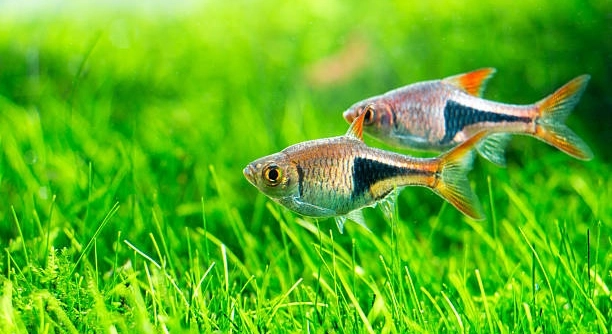
Rasboras are small freshwater fish often found in home aquariums. They have some unusual habits, especially when it comes to where they choose to rest or sleep. These spots can surprise even experienced fish keepers.
Rasboras may sleep in unexpected places such as inside hollow plants, beneath rocks, within leaf litter, or even clinging to aquarium decorations. These resting locations provide shelter and safety, which are essential for their well-being and survival.
Knowing where rasboras like to sleep helps you create a better environment for them. These strange resting spots show how they adapt to their surroundings in surprising ways.
Inside Hollow Plants
Rasboras often find comfort inside hollow plants in the aquarium. These plants provide a cozy, sheltered space where they can rest safely away from bright lights or sudden movements. The hollow parts offer protection from potential threats and make it easier for the fish to feel secure. You might notice your rasbora slipping inside a curled leaf or a tube-like stem as evening approaches. This behavior is natural and shows their need for a quiet, hidden spot to sleep. It’s a good idea to include plenty of hollow plants or artificial decorations that mimic these shapes in your tank. Doing so helps mimic their natural habitat and reduces stress, keeping your fish healthy. Observing rasboras resting this way is a subtle reminder that these small fish appreciate spaces where they can feel hidden and calm.
Hollow plants serve as perfect resting spots that also improve your aquarium’s overall look.
Providing these plants benefits rasboras by offering shade and security, which encourages natural behavior and peaceful rest.
Beneath Rocks and Leaf Litter
Rasboras also like to rest beneath rocks or in the leaf litter found on the bottom of their environment. These spots create a quiet and shaded area, away from strong water currents and light. Rocks and leaves provide a natural feel, giving the fish a sense of safety similar to their original habitats. When placed correctly, these elements offer resting places that reduce stress and promote better health. It’s important to arrange rocks carefully to avoid trapping or hurting the fish. Leaf litter, especially dried leaves, slowly releases tannins that can slightly tint the water and create a more comfortable atmosphere for rasboras. Many fishkeepers find that adding natural materials helps their fish behave more naturally and sleep better. Watching rasboras use these areas can deepen your understanding of their needs and habits.
Clinging to Aquarium Decorations
Rasboras sometimes rest by clinging to aquarium decorations like driftwood or artificial plants. These spots offer stability and shelter. The rough surfaces allow them to grip easily, making it feel safe and secure.
This resting behavior helps rasboras conserve energy and avoid strong currents. Aquarium decorations mimic natural hiding spots found in their native environment. It also reduces stress by giving the fish a sense of protection. Many aquarists notice their rasboras resting motionless on these surfaces during quiet hours. Providing varied textures and shapes in the tank encourages this natural behavior and helps fish feel comfortable.
Over time, rasboras may choose favorite decorations where they repeatedly rest. Paying attention to these preferences can improve tank setup and fish well-being. Decorations not only beautify the aquarium but also serve a practical role for the fish’s daily rest.
Sleeping in Groups
Rasboras often sleep in groups, clustering together for safety and warmth. This social behavior helps reduce anxiety and creates a sense of community within the tank. Group sleeping also makes it harder for predators to target a single fish. The close proximity offers comfort and promotes better rest.
When rasboras sleep in groups, their movements slow and they stay close to each other near plants or decorations. This behavior is common among schooling fish and shows their strong social bonds. Group resting encourages a calmer aquarium atmosphere, which benefits all inhabitants. If your tank has several rasboras, you’ll likely see this pattern regularly. Observing how they coordinate their rest can provide insight into their natural instincts and needs. Ensuring enough space and hiding spots supports this healthy group behavior.
Resting Near the Water Surface
Rasboras sometimes rest just below the water surface where the flow is gentler. This spot offers easy access to oxygen-rich water and fewer disturbances. It can be a quiet place to relax without much movement.
They may stay near floating plants or calm areas at the top. This behavior helps them recharge while staying alert to the surroundings.
Hiding in Narrow Gaps
Rasboras often squeeze into narrow gaps between rocks or decorations for safety. These tight spaces provide excellent shelter and reduce exposure to light and predators.
Finding or creating small hiding spots in the tank encourages natural behavior and helps fish feel secure. It’s important the gaps are large enough to prevent injury but small enough to offer protection.
Underneath the Filter Outflow
The water movement near the filter outflow is sometimes gentler and oxygen-rich, attracting rasboras to rest there. The consistent current provides a soothing environment where they can relax while staying alert.
Rasboras use this spot to rest while benefiting from better oxygen levels and cleaner water circulation.
FAQ
Where do rasboras prefer to sleep in an aquarium?
Rasboras prefer to sleep in places that feel safe and sheltered. Common spots include inside hollow plants, under rocks, in leaf litter, clinging to decorations, or in narrow gaps between aquarium elements. They also rest near the water surface and around the filter outflow where oxygen levels are higher. These locations provide protection from strong currents and predators, allowing rasboras to rest quietly without disturbance. Offering a variety of hiding spots in your tank encourages natural resting behaviors and helps keep them stress-free.
Do rasboras sleep at night or during the day?
Rasboras are generally more active during the day and tend to rest or sleep at night. However, they may also take short resting breaks during the day, especially if the tank environment is calm and dimly lit. Their natural habitat in slow-moving streams or rivers means they adapt to light and activity cycles. Providing a consistent light schedule in your aquarium can help regulate their sleep patterns. Dimming the lights in the evening signals rasboras it is time to rest, promoting healthier behavior.
How can I tell if my rasbora is sleeping?
A sleeping rasbora will often stay still, sometimes hovering or resting against plants or decorations. Their fins may be gently folded, and their movements will slow down significantly. They do not have eyelids, so their eyes remain open but look relaxed and unfocused. Sometimes they cluster with other rasboras when sleeping. If your fish is motionless but responsive to gentle disturbances, it is likely resting and not ill. Observing their regular behavior over time helps distinguish sleep from health issues.
Is it normal for rasboras to hide a lot during sleep?
Yes, it is normal for rasboras to hide when they sleep. In the wild, hiding reduces the chance of being caught by predators while resting. In aquariums, they keep this instinct by choosing safe spots like hollow plants or narrow crevices. If your rasboras hide frequently during resting times but remain active and healthy otherwise, this is typical behavior. Ensuring enough hiding spaces reduces stress and mimics their natural environment, helping them feel secure.
Can rasboras sleep in the same place every night?
Many rasboras show a preference for certain resting spots and may return to the same place regularly. These favorite spots are usually comfortable and safe locations where they feel protected. Consistency in their sleeping place is a good sign that your tank setup meets their needs. It’s helpful to observe and note these spots to avoid disturbing them. Changing the aquarium layout too often might stress the fish, so maintaining familiar hiding areas encourages calm and healthy behavior.
Do rasboras need special conditions for good sleep?
Rasboras benefit from stable water conditions, moderate lighting, and plenty of hiding spots for resting. A calm aquarium with minimal noise and disturbance during night hours supports better sleep. Plants, rocks, and decorations that offer shelter are important. Water temperature and quality also affect their rest. Keeping the tank clean and within their preferred temperature range helps rasboras stay comfortable and stress-free, promoting regular sleeping habits.
Why do rasboras sometimes rest near the water surface?
Resting near the water surface gives rasboras access to higher oxygen levels and calm water flow. This spot can feel safe and less crowded than the bottom or mid-level areas. Floating plants often provide shade and additional shelter near the surface. This behavior is natural and shows their ability to find the best resting environment within the tank. If you notice rasboras resting here frequently, it’s a sign that your aquarium’s oxygen and flow conditions are suitable.
Can sleeping spots affect rasbora health?
Yes, proper sleeping spots can greatly impact rasbora health. Safe, comfortable resting areas reduce stress, which supports immune function and overall well-being. Lack of shelter or rough tank conditions may cause anxiety, leading to poor appetite and illness. By providing natural-like hiding places and calm zones, you encourage restful sleep and natural behavior. This, in turn, improves their quality of life and lifespan.
What should I do if my rasbora isn’t resting well?
If your rasbora isn’t resting well, check water quality, temperature, and lighting. Stress from poor conditions or tank mates can affect sleep. Add more plants or decorations for hiding spots. Ensure the aquarium is quiet during night hours. Avoid sudden changes in the tank setup. If sleep problems continue, observe for signs of illness and consult an expert. Creating a stable and calm environment is key to helping your rasbora rest properly.
Is it safe for rasboras to sleep near the filter outflow?
Sleeping near the filter outflow can be safe if the water flow is gentle and oxygen-rich. Rasboras may choose this spot because it offers clean water and moderate current. However, if the flow is too strong, it might tire or stress the fish. Adjusting the filter to reduce strong currents helps create a comfortable resting area. Monitoring your fish’s behavior around the outflow lets you ensure their safety and comfort.
Rasboras are small fish with unique sleeping habits that might surprise you. They do not sleep like humans but rather find quiet spots to rest and conserve energy. These resting places are often hidden and can be found in unusual parts of the aquarium, such as inside hollow plants, beneath rocks, or clinging to decorations. Understanding where rasboras prefer to sleep helps create a better environment for them. When they have safe places to rest, they stay less stressed and healthier. This is important because stress can lead to illness or poor behavior in fish.
Creating a comfortable space for your rasboras involves offering a variety of hiding spots. Including live or artificial plants, smooth rocks, and decorations with nooks or gaps will give them plenty of options. Providing places near the surface or around the filter outflow can also be beneficial since rasboras sometimes rest in these areas where water flow is gentler and oxygen levels are higher. Watching your fish carefully can reveal their favorite sleeping spots and help you adjust the aquarium to fit their needs better. A well-planned tank setup supports their natural behaviors and improves their overall well-being.
In the end, paying attention to your rasboras’ resting habits is a simple but effective way to ensure they live comfortably. Their choice of sleeping spots reflects their need for safety and calm. By keeping the tank clean, maintaining good water quality, and offering plenty of hiding places, you support their health and happiness. These small fish may seem easy to care for, but meeting their resting needs can make a big difference. Taking these steps will help your rasboras thrive and bring a peaceful presence to your aquarium.

Hello,
If you enjoy the content that we create, please consider saying a "Thank You!" by leaving a tip.
Every little bit helps us continue crafting quality advice that supports the health, happiness, and well-being of pets around the world, for pets of all shapes, sizes, and species.
We really appreciate the kindness and support that you show us!