
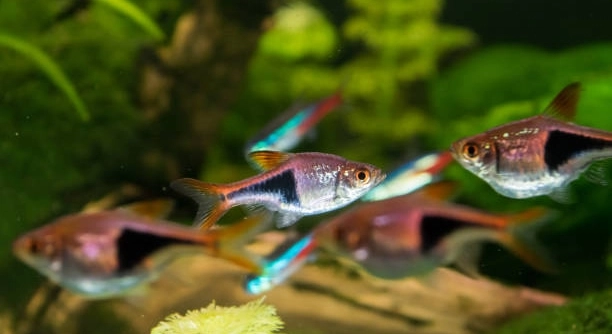
Are your rasboras hiding all day, making it hard to enjoy their vibrant colors? This can be frustrating for any fish keeper hoping to see active, lively fish in the tank. Understanding why they stay hidden is the first step to helping them feel comfortable.
Rasboras often hide due to stress, poor water conditions, or lack of proper hiding spots. Addressing these factors through regular tank maintenance, water quality checks, and providing safe environments can encourage your fish to become more active and visible.
These simple fixes can improve your fish’s wellbeing and bring back the lively aquarium atmosphere you want to see.
Check Water Quality and Parameters
Water quality plays a big role in how comfortable rasboras feel in their tank. Poor water conditions, such as high ammonia, nitrite, or nitrate levels, can cause stress and make fish hide. Temperature fluctuations or water that is too hard or soft may also upset them. Regularly testing the water with a reliable kit helps catch problems early. Keeping the water clean with partial water changes ensures a stable environment. Rasboras prefer slightly acidic to neutral pH and moderate temperature between 72-79°F (22-26°C). Avoid sudden changes in water conditions, as this can frighten them. Watching your fish’s behavior along with water tests gives clues about their comfort. Stable water encourages activity and bright colors. Proper filtration also keeps water clean but avoid strong currents that can stress the fish. Taking time to maintain ideal water conditions is one of the most important steps to help rasboras feel safe and reduce hiding.
Regular water testing and changes create a healthy tank where rasboras are more likely to be active and visible.
Keeping water conditions stable not only reduces stress but also supports your fish’s overall health. Clean, balanced water helps maintain their immune system and promotes natural behavior. It prevents diseases that often cause fish to hide or become lethargic. Using a good filter, adjusting temperature carefully, and changing 20-30% of the water weekly makes a big difference. When water quality is right, rasboras feel safe and confident to swim in the open. This improves tank enjoyment and helps you notice any new health issues early. It’s a small effort that creates a peaceful and lively aquarium environment.
Provide Plenty of Hiding Spots
Rasboras need places to hide to feel secure. Adding plants, rocks, and decorations gives them shelter.
Dense plants and caves allow fish to retreat when they feel stressed. Without hiding places, they may stay hidden behind filters or in corners. Use live or artificial plants, smooth stones, and decorations that won’t harm them. A well-decorated tank mimics their natural habitat and encourages exploration. Ensure hiding spots don’t overcrowd the tank, so fish have space to swim freely. Balanced decor lets rasboras choose when to come out, reducing stress and promoting activity.
Adjust Lighting Levels
Too much light can make rasboras feel exposed and unsafe, causing them to hide. Dimming the lights or using a timer to simulate natural day and night cycles helps them relax. Soft lighting encourages natural behavior and reduces stress in the tank.
Bright lights can stress fish by making them feel vulnerable. Rasboras come from shaded environments, so harsh aquarium lighting may cause them to stay hidden. Using floating plants or placing the tank away from direct sunlight softens the light. LED lights with adjustable brightness give better control over the tank’s environment. Gradually increasing light in the morning and dimming it at night mimics their natural habitat and helps establish a healthy rhythm. This change often results in more active, visible fish throughout the day.
In addition, lighting affects the tank’s plants and algae growth, which also impacts fish comfort. Balanced lighting promotes healthy plants that provide cover and oxygen. Overly bright light encourages algae, which can stress fish and reduce water quality. Proper lighting creates a calm, natural environment where rasboras feel secure enough to swim openly and show their colors.
Maintain a Balanced Diet
A proper diet is key to rasboras’ health and activity. Feeding them a variety of foods keeps them energized and less likely to hide. Avoid overfeeding, which can cause poor water quality and stress.
Feeding rasboras high-quality flakes, pellets, and live or frozen foods like daphnia or brine shrimp provides balanced nutrition. Variety ensures they get necessary vitamins and minerals for good health. Feeding small amounts two to three times a day prevents leftover food from polluting the tank. Excess food leads to water quality issues that increase fish stress and hiding behavior. Observing how much your fish eat helps you adjust portions accordingly. A well-fed rasbora is more likely to swim confidently and interact with the environment.
Diet affects not only physical health but also behavior. Nutrient deficiencies can cause lethargy and hiding, while a healthy diet supports activity and color vibrancy. Feeding your fish thoughtfully supports their immune system and overall wellbeing, making your aquarium a livelier place.
Avoid Overcrowding
Too many fish in one tank causes stress and hides behavior. Rasboras need enough space to swim freely without feeling threatened.
A crowded tank increases competition for food and hiding spots. This leads to more hiding and aggression. Keep the fish count appropriate for your tank size to ensure comfort and reduce stress.
Reduce Tank Noise and Vibrations
Loud noises and constant vibrations disturb rasboras, making them hide more. Place the tank in a quiet spot away from heavy foot traffic or appliances.
Keep a Stable Temperature
Sudden temperature changes can stress rasboras and cause them to hide. Maintain a steady temperature between 72-79°F (22-26°C) using a reliable heater and thermometer.
Monitor for Illness
If rasboras hide excessively despite proper care, illness may be a factor. Watch for other signs like loss of appetite, discoloration, or lethargy to catch health issues early.
FAQ
Why do rasboras hide all day even with good water conditions?
Sometimes, even with proper water quality, rasboras may hide due to stress from tankmates or sudden changes in their environment. New decorations, changes in lighting, or a new filter can make them uneasy. They need time to adjust and feel safe before becoming active again.
How long does it take for rasboras to stop hiding?
The adjustment period varies but usually takes a few days to a couple of weeks. Providing hiding spots, stable water conditions, and gentle lighting helps speed up this process. Patience is key; sudden moves or changes can delay their comfort.
Can poor diet cause rasboras to hide?
Yes. A diet lacking variety or nutrition can weaken rasboras, making them lethargic and prone to hiding. Feeding them a mix of quality flakes, pellets, and occasional live or frozen food keeps them healthy and more active.
Is tank size important for rasbora activity?
Absolutely. Overcrowded tanks cause stress and hiding. Rasboras need enough space to swim freely. For most species, a tank of at least 10 gallons with proper stocking limits promotes natural behavior and reduces stress.
Do rasboras need tank mates?
Rasboras are social fish that prefer to be in groups of six or more. Being in a group makes them feel secure and reduces hiding. However, tank mates should be peaceful and not outcompete or frighten them.
Can too much light cause hiding?
Yes, bright or constant lighting can make rasboras feel exposed and stressed, pushing them to hide. Using dimmable lights or providing shaded areas helps them feel safe and encourages activity.
What signs of illness make rasboras hide?
If rasboras hide and show signs like faded color, clamped fins, gasping at the surface, or loss of appetite, illness might be the cause. Early diagnosis and treatment are essential to prevent worsening conditions.
How often should I test my tank water?
Testing water weekly is recommended to keep conditions stable. Regular checks for ammonia, nitrite, nitrate, and pH help detect issues early. Stable water quality keeps rasboras healthy and less prone to hiding.
Can loud noises affect rasbora behavior?
Yes. Loud noises and vibrations can stress fish, causing them to hide. Place the tank in a quiet location away from heavy foot traffic or appliances to minimize disturbances.
What plants work best as hiding spots for rasboras?
Soft-leaved plants like Java fern, Anubias, and floating plants provide excellent cover. Dense plants offer shelter and reduce light intensity, helping rasboras feel safe and encouraging them to explore more.
How does temperature stability affect rasboras?
Fluctuating temperatures stress rasboras, leading to hiding or illness. Keeping the tank temperature steady between 72-79°F (22-26°C) with a reliable heater supports their health and activity.
Is it okay to have other fish species with rasboras?
Yes, as long as the other species are peaceful and similar in size. Aggressive or large fish can intimidate rasboras, causing stress and hiding behavior. Choose calm tank mates for harmony.
How can I tell if my rasboras are happy and healthy?
Active swimming, bright colors, regular eating, and social behavior within the group are signs of healthy rasboras. When these are present, they are less likely to hide excessively.
What should I do if hiding continues despite all efforts?
Consider reviewing all tank conditions, diet, and possible illness. Sometimes, consulting with an experienced aquarist or veterinarian can provide insight. Persistent hiding may indicate stress or health problems that need attention.
Can sudden changes in the tank cause hiding?
Yes, sudden changes like water changes done too quickly, new decorations, or new fish introductions can cause stress. Gradual changes and acclimating fish slowly help reduce hiding behavior.
Rasboras are beautiful and lively fish when they feel safe and comfortable in their environment. When they hide all day, it usually signals that something in their tank isn’t quite right. It could be poor water quality, too much light, overcrowding, or stress from other fish. Paying attention to these details and making small changes can help your rasboras feel more at ease. Creating a stable, calm environment with proper water conditions, enough hiding places, and a balanced diet encourages them to swim freely and show their true colors. It’s important to be patient because it takes time for fish to adjust after any changes.
Keeping the tank clean and maintaining good water quality is one of the most important steps in caring for rasboras. Regular testing for ammonia, nitrites, nitrates, and pH helps catch problems early before they cause serious stress or illness. Temperature stability is also key because sudden changes can upset the fish and make them hide. Providing a good filtration system without creating too much current keeps the water healthy and comfortable. Along with proper lighting that is not too bright, these factors create an environment where rasboras feel safe enough to explore their surroundings rather than hiding all day.
Lastly, remember that rasboras are social fish that thrive in groups. Having enough tank mates that are peaceful and similar in size helps them feel secure. A balanced diet with varied foods keeps them healthy and active. If your fish continue to hide despite your efforts, it may be worth checking for signs of illness or consulting an expert. Sometimes stress or health issues require more attention. Overall, creating a balanced and stable home for your rasboras is the best way to reduce hiding and enjoy watching their natural, lively behavior.

Hello,
If you enjoy the content that we create, please consider saying a "Thank You!" by leaving a tip.
Every little bit helps us continue crafting quality advice that supports the health, happiness, and well-being of pets around the world, for pets of all shapes, sizes, and species.
We really appreciate the kindness and support that you show us!