
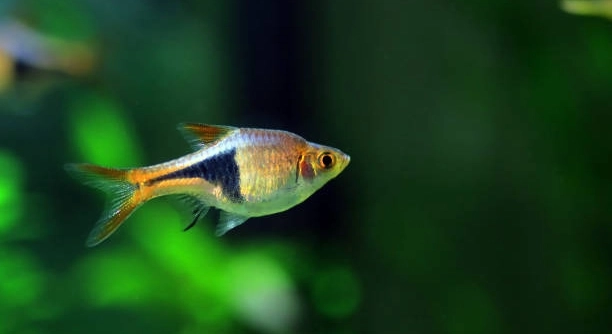
Many aquarium owners notice when their rasboras start swimming differently. These small fish usually move in smooth, synchronized groups. Changes in their swimming patterns can be an early sign that something in their environment or health needs attention.
Rasboras swimming abnormally often indicate stress, illness, or water quality problems. Monitoring water parameters, checking for disease symptoms, and ensuring proper tank conditions are essential to address these behavioral changes and maintain fish well-being.
Recognizing these signs early can help you protect your fish and improve their environment for healthier, happier rasboras.
Common Causes of Rasbora Swimming Changes
Rasboras may change their swimming behavior due to several reasons. Poor water quality is one of the most frequent causes. High levels of ammonia, nitrites, or nitrates can stress fish, making them swim erratically or sluggishly. Temperature fluctuations can also affect their movement. If the water is too cold or too warm, rasboras might slow down or swim near the surface or bottom. Illness is another reason. Parasites, bacterial infections, or fungal problems can cause discomfort, leading to unusual swimming patterns. Lastly, overcrowding or aggressive tank mates may force rasboras to hide or dart suddenly to avoid stress. Regular monitoring and tank maintenance can help prevent these issues.
Water quality checks and tank cleaning are the simplest ways to keep your rasboras swimming normally. Regular tests and partial water changes keep their environment stable.
Addressing these causes early is key. By maintaining clean water, stable temperatures, and a peaceful tank environment, you support healthy rasbora behavior. Watch for signs of illness and separate sick fish promptly. Proper care helps rasboras swim with their usual grace and energy.
How to Respond When Rasboras Swim Differently
When you notice changes in your rasboras’ swimming, it’s important to act quickly. First, test the water for ammonia, nitrites, nitrates, and pH. If any levels are off, perform a partial water change and clean the tank. Observe your fish for any visible signs of disease, such as spots, discoloration, or fin damage. Isolate any fish showing symptoms to prevent spread. Check that the tank temperature matches their needs, usually between 74 and 78°F (23-26°C). Ensure there is enough space and that tank mates are not causing stress. Adjust lighting and feeding routines if necessary. Providing a calm environment helps rasboras recover and return to normal swimming patterns.
Correcting water and environmental factors often restores rasbora health without medication. However, if illness persists, consulting a vet or experienced aquarist is advisable.
Patience is important when addressing swimming changes. Recovery can take time, and consistent care is vital. Keep monitoring water quality daily and maintain proper tank hygiene. Feeding a balanced diet with good quality flakes or frozen foods supports immune health. Avoid sudden changes in the tank and reduce handling stress. Observing their behavior closely lets you catch any new problems early. Remember, a steady environment is the best way to ensure rasboras swim happily for the long term.
Identifying Signs of Stress in Rasboras
Stress in rasboras often shows through changes in behavior and appearance. They may swim erratically, hide more than usual, or lose their bright colors. You might also see rapid gill movement or clamped fins, which indicate discomfort or poor health.
Recognizing these signs early helps prevent serious problems. Stress can come from poor water conditions, overcrowding, or sudden changes in the environment. When stressed, rasboras become more vulnerable to disease. Watch for physical changes like torn fins or faded color, which often follow stress. Monitoring their activity and response to feeding can also reveal trouble. Addressing stress quickly by improving water quality and reducing disturbances supports their well-being and encourages normal swimming.
Keeping stress low means maintaining a stable, clean tank and peaceful community. Avoid overcrowding and provide hiding spots. Regular feeding with nutritious food helps rasboras stay strong and less prone to stress-related illnesses.
Common Diseases Affecting Rasbora Swimming
Parasitic infections like ich and velvet cause rasboras to swim abnormally. Fish may scratch against surfaces or swim near the water surface gasping for air. Bacterial infections often result in lethargy and fin damage. Fungal diseases can cause visible patches and affect mobility.
Treating these diseases requires correct diagnosis and medication. Quarantine infected fish to stop spread. Maintain excellent water quality throughout treatment. Prevention through clean tanks and balanced diets is best. Regular observation and prompt action protect your rasboras from worsening illness and permanent swimming issues.
Adjusting Tank Conditions for Healthy Swimming
Stable water temperature and clean water are essential for rasboras to swim properly. Sudden changes or poor water quality cause stress and erratic movement. Keep temperature steady within their preferred range.
Regular water changes and proper filtration help maintain water clarity and balance. Avoid overcrowding to reduce stress and allow natural swimming behavior.
Feeding and Nutrition Tips for Rasboras
A balanced diet supports rasbora health and normal activity. High-quality flakes, frozen foods, and occasional live feed provide necessary nutrients. Avoid overfeeding, which can pollute water and harm fish health.
Feeding small amounts twice daily helps maintain energy and reduces waste buildup. Good nutrition improves immune function and overall behavior.
Preventing Swimming Issues with Routine Care
Regular tank maintenance prevents many problems affecting rasbora swimming. Clean filters, test water parameters, and remove uneaten food frequently to avoid toxic buildup.
Consistent care keeps the environment safe and supports healthy fish behavior over time.
When to Seek Expert Help
If swimming problems persist despite good care, professional advice may be needed. Some diseases require specific treatment or diagnosis beyond home care.
Early consultation helps protect your fish and improves chances of recovery.
FAQ
Why are my rasboras swimming erratically?
Erratic swimming often signals stress or poor water quality. It can be caused by high ammonia or nitrite levels, sudden temperature changes, or overcrowding. Parasites and infections may also lead to abnormal movements. Check water parameters and observe your fish carefully for signs of illness.
How can I test if the water is safe for rasboras?
Use an aquarium water test kit to measure ammonia, nitrites, nitrates, and pH levels. Ammonia and nitrites should always be at zero, nitrates below 20 ppm, and pH between 6.5 and 7.5. Regular testing helps catch problems before they affect your fish.
What should I do if I find my rasbora is sick?
Isolate the sick fish in a quarantine tank to prevent disease spread. Identify symptoms clearly and treat with appropriate medication. Continue testing and improving water quality during treatment to support healing.
Can temperature changes cause swimming problems?
Yes, rasboras prefer stable water temperatures between 74°F and 78°F (23°C to 26°C). Sudden drops or spikes can stress them, causing sluggish or frantic swimming. Using a reliable heater and thermometer helps maintain steady conditions.
How often should I change the water in my rasbora tank?
Perform a 20-30% water change weekly to keep water clean and reduce toxins. More frequent changes may be needed if the tank is heavily stocked or if water tests show poor quality.
Is overcrowding harmful to rasboras?
Overcrowding increases stress and reduces oxygen, leading to unusual swimming and health issues. Provide at least 10 gallons for a small group of rasboras and avoid mixing with aggressive species.
What are the best foods for rasboras?
High-quality flakes, micro pellets, and frozen or live foods like brine shrimp and daphnia provide balanced nutrition. Variety supports their immune system and energy levels.
How can I tell if my rasboras are stressed?
Signs include hiding, loss of color, clamped fins, rapid breathing, and erratic swimming. Stress often results from poor water quality, aggressive tank mates, or insufficient hiding places.
Are tank decorations important for rasbora behavior?
Yes, plants and hiding spots reduce stress and encourage natural swimming patterns. Rasboras feel safer with cover and space to swim freely.
Can swimming changes be permanent?
If caused by severe illness or injury, abnormal swimming may last or worsen without treatment. Early action and good care improve chances of full recovery.
Should I use medication regularly to prevent disease?
Routine medication is not recommended. It can harm beneficial bacteria and stress fish. Focus on good tank maintenance and quarantine new fish before adding them.
How can I keep my rasboras active and healthy?
Maintain stable water conditions, feed a balanced diet, provide enough space, and reduce stressors. Regular observation helps catch problems early.
What role does lighting play in rasbora behavior?
Proper lighting supports natural activity cycles. Too bright or too dim light can stress fish and affect swimming. A consistent day-night schedule works best.
How do I introduce new fish to my rasbora tank?
Quarantine new fish for two weeks to prevent disease. Introduce them slowly, monitoring for aggression or stress. Gradually adjust water parameters if needed.
When should I call a vet or specialist?
If your fish show persistent symptoms like abnormal swimming, spots, or lethargy despite good care and treatment, seek professional help for diagnosis and treatment advice.
When rasboras swim differently, it is often a sign that something in their environment or health needs attention. These small fish usually move in smooth, calm groups, so changes in their swimming patterns can signal stress, illness, or water problems. Keeping an eye on their behavior helps catch issues early, which is important for their well-being. Paying attention to water quality, tank conditions, and feeding habits can prevent many swimming problems and keep your rasboras active and healthy.
Maintaining stable water temperature and clean water is essential for rasboras to swim normally. Sudden changes in temperature or poor water quality can cause them to swim erratically or hide more than usual. Regular water testing and partial water changes help keep their tank safe. It is also important to provide a calm environment with enough space and peaceful tank mates. Overcrowding or aggressive fish can stress rasboras, making them swim differently. By creating a balanced tank environment and feeding a nutritious diet, you support their natural behavior and overall health.
If swimming problems continue despite good care, it may mean your rasboras are sick or need special treatment. Diseases like parasites or bacterial infections can affect their movement. In such cases, isolating affected fish and seeking advice from experts can improve recovery chances. Remember, patience and consistent care are key. Regular tank maintenance, proper feeding, and close observation help keep rasboras happy and swimming with their usual grace. Paying attention to their needs ensures a healthy aquarium and a more enjoyable experience for anyone who cares for these lively fish.

Hello,
If you enjoy the content that we create, please consider saying a "Thank You!" by leaving a tip.
Every little bit helps us continue crafting quality advice that supports the health, happiness, and well-being of pets around the world, for pets of all shapes, sizes, and species.
We really appreciate the kindness and support that you show us!