
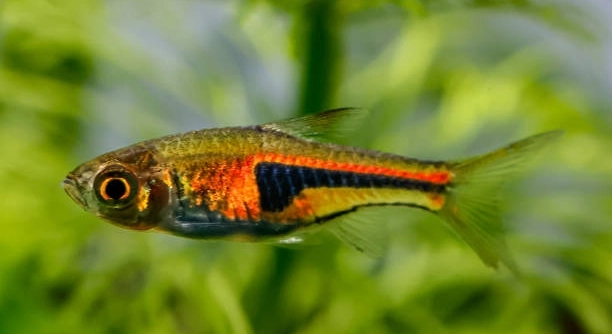
Have you ever moved your fish tank to a new spot and noticed your rasboras acting a little differently afterward? Tank repositioning might seem simple, but for these little fish, it can be a big event.
Rasboras handle tank repositioning by exhibiting short-term stress behaviors such as reduced activity, loss of appetite, and color fading. However, with stable water parameters and minimal disruption, they typically adjust well within a few days.
Proper tank management during moves can make all the difference in keeping your rasboras calm, healthy, and active in their new location.
Why Tank Movement Affects Rasboras
Moving a tank may seem like a minor change, but for rasboras, it can create a noticeable shift in behavior. These fish are sensitive to changes in their environment, including light, water temperature, and the layout of their surroundings. When a tank is repositioned, even if all internal conditions stay the same, the external factors can throw the rasboras off balance. They may react by hiding more often, becoming less active, or swimming erratically. This behavior is a normal response to stress. Rasboras rely on consistency, so any sudden shift—even something as simple as new lighting angles or nearby movement—can cause anxiety. Over time, most rasboras adapt if water parameters remain steady and daily routines are kept predictable. Ensuring a calm atmosphere and avoiding further disruptions helps them feel secure again.
Sudden lighting changes or nearby vibrations from new positioning can be unsettling, especially during the first few days after a move.
Watching for early signs of stress is helpful. If they’re showing clamped fins, skipping meals, or staying in corners, it may be time to recheck the environment. Dim the lights, limit noise around the tank, and give them time to adjust. A quiet, steady approach can support their recovery.
How to Support a Smooth Transition
Keep the environment steady while they settle in. Avoid changing decorations or feeding schedules right after moving the tank.
For a smoother transition, it’s helpful to plan ahead before moving the tank. Keep the lighting schedule the same and maintain the same orientation of the décor inside the tank. Rasboras often use visual cues to navigate, so any disruption in layout can add to their stress. If possible, position the tank in a space with minimal foot traffic and consistent lighting throughout the day. Loud environments or areas near windows may cause added stress or affect temperature control. Make sure filtration and heating systems are working properly during and after the move. Test the water a day before and after the move to monitor stability in pH, temperature, and ammonia levels. Feeding should remain light and consistent, avoiding any overfeeding while the fish are still adjusting. Most rasboras will bounce back within a few days, but keeping conditions calm will make their recovery easier and quicker.
Common Stress Signs to Watch For
Rasboras tend to show visible signs when they’re feeling stressed. You may notice them swimming less, hiding more, or sticking to the corners of the tank. Their colors might also look duller, and they may avoid food for a day or two after the tank is moved.
Another common stress sign is clamped fins, where their fins stay close to their bodies instead of fanned out. This can happen when they’re feeling unsafe or overwhelmed. Some rasboras may dart quickly when startled or rest at the bottom of the tank for long periods. These behaviors usually ease up once they feel secure again. If stress continues beyond a few days, it could point to a deeper issue like water quality or improper tank placement. Testing the water and observing tank flow and lighting can help narrow down what’s bothering them and allow for gentle adjustments that make them feel safe again.
Appetite loss can be one of the first clues something is off. If they normally eat right away but begin ignoring food, it’s worth noting. They may return to eating on their own after a short adjustment period, but it’s best not to overfeed during this time. Uneaten food can pollute the water and make recovery harder.
When to Step In
If your rasboras show no improvement after three or four days, a closer look is needed. Ongoing stress can lead to illness or a weakened immune system, especially in smaller fish that are more sensitive to changes in their surroundings.
Check for consistent temperature, proper filtration, and clean water. Test for ammonia, nitrites, and pH imbalances. If the water quality is fine, consider whether the new tank spot is exposed to too much movement or light. Avoid placing the tank near TVs, speakers, or windows. Too much stimulation or temperature swings can keep rasboras on edge. It may also help to partially cover the tank sides with paper to reduce outside distractions. Giving them more hiding spaces using plants or decorations can help build a sense of safety. If stress signs remain unchanged after a week despite these steps, consulting with a vet who specializes in fish care might be necessary.
Helpful Tools and Techniques
Using a background on your tank can reduce visual stress from outside movement. A simple black or blue backing helps rasboras feel less exposed and encourages calm behavior, especially after a tank repositioning.
Adding live plants or floating decorations provides natural cover. These additions give rasboras more places to hide and feel secure, making the adjustment smoother.
Observing Improvements
Once rasboras begin swimming freely and exploring the tank again, it’s a good sign they’re settling in. Their colors often become more vibrant, and feeding habits return to normal. Keep an eye out for consistent activity levels, smooth swimming, and open fins. These signs show that stress is decreasing and they are adjusting well. Continue with regular tank maintenance, avoid moving decor too soon, and allow them to regain full comfort before introducing any new changes. Even small improvements, like brief exploration or more social interaction with other rasboras, are signs of progress. Stay patient and let them take the time they need to feel secure.
What to Avoid
Avoid adjusting the tank position more than once in a short period. Repeated changes can increase stress and slow their recovery.
FAQ
How long does it usually take rasboras to adjust after tank repositioning?
Most rasboras begin adjusting within 24 to 72 hours after a tank move, especially if the water conditions stay consistent. Some may need up to a week, depending on how sensitive they are to their surroundings. During this period, it’s best to avoid any other changes, such as shifting decor or introducing new tank mates. Keep lighting soft and steady, and avoid sudden movement near the tank. If you notice them gradually becoming more active, eating again, and displaying brighter colors, these are good signs that they’re adapting well to the new environment.
Is it normal for rasboras to stop eating after moving the tank?
Yes, it’s common for rasboras to lose their appetite temporarily after a move. Stress can cause them to ignore food for a day or two. Offer small amounts of food once daily, and remove anything uneaten after a few minutes to keep the water clean. Avoid overfeeding, which can add to stress by polluting the tank. If they resume eating within a couple of days and show normal behavior, there’s no need to worry. However, if they continue refusing food after several days, it’s worth checking for other stress triggers or potential health issues.
Do rasboras get stressed easily?
Rasboras are generally hardy fish, but they do get stressed by sudden changes in their environment. They prefer a calm, steady routine and are especially sensitive to changes in water conditions, lighting, and noise levels. Tank moves or heavy disturbances near their habitat can cause short-term stress. You may see signs like hiding, fading colors, clamped fins, or jittery swimming. Keeping things stable—such as using the same lighting schedule and avoiding loud noise—can help prevent stress and make them feel safer. Offering plenty of hiding spaces also helps reduce anxiety after any major shift.
Can rasboras get sick from stress caused by tank movement?
Yes, prolonged stress can weaken their immune system and make them more prone to illness. While a single tank repositioning doesn’t usually cause disease, it can trigger problems if it’s followed by unstable water conditions or repeated disruptions. Watch for signs like white spots, rapid breathing, or unusual swimming behavior. If these appear, test the water immediately and take steps to improve stability. Healthy rasboras in a clean, well-maintained tank typically recover quickly from mild stress without getting sick. Providing calm surroundings and monitoring them closely can prevent minor stress from leading to health problems.
Should I move the tank at night or during the day?
It’s usually better to reposition the tank during daylight hours when you can closely monitor how your rasboras respond. Try to move the tank during a calm part of the day when there’s less activity in the home. After repositioning, cover the tank sides or dim the room lighting to help reduce stress. Avoid moving the tank during their feeding or rest period, and keep noise levels low while adjusting the setup. Once the tank is in place, leave it undisturbed for the rest of the day so the rasboras have time to adjust in peace.
Do rasboras prefer quiet areas after tank movement?
Yes, rasboras do better in quiet, low-traffic areas after the tank has been moved. Loud noises, sudden movement, and even vibration from nearby electronics can cause them to stay hidden and feel unsafe. Try to place the tank away from speakers, TVs, and frequently used walkways. Choose a spot where the lighting stays consistent, and there’s less chance of temperature shifts from nearby windows or doors. This helps create a stable environment that allows them to settle in more easily. Once they’re comfortable, they’ll start exploring again and return to their regular, active behavior.
Is it okay to turn off the light for a while after moving the tank?
Yes, dimming or turning off the light for several hours after repositioning can help rasboras feel less exposed. Bright lighting in a new position might overwhelm them, especially if they’re already feeling unsettled. Keeping the tank darker for the first few hours after the move gives them a chance to hide and calm down. If possible, gradually reintroduce the normal lighting schedule over the next day. Avoid keeping them in complete darkness for long, but giving them time to adjust to the new light angle can reduce stress and help with a smoother transition.
Final Thoughts
Rasboras are peaceful fish that do best in stable, calm environments. While moving their tank might seem like a small change, it can be a big adjustment for them. They notice changes in lighting, nearby movement, and even how sounds travel in the room. These shifts can lead to short-term stress, which may cause them to hide, lose color, or stop eating for a little while. Thankfully, most rasboras recover well with time and proper care. By keeping the water clean, maintaining routine, and offering places to hide, you help create a space where they feel safe again.
It’s important to be patient during the adjustment period. Rasboras may not bounce back immediately, but that doesn’t mean something is wrong. Some fish are more sensitive than others and may take a few extra days to return to normal. The key is to avoid any further disturbances. Don’t rearrange the tank or add new fish right after a move. Keep feedings small and regular, and continue with usual tank maintenance. Watch for signs of improvement like brighter colors, smoother swimming, and interest in food. These small changes can show that your rasboras are regaining their comfort and confidence.
Paying attention to their behavior helps you catch issues early. If something doesn’t seem right after several days—like if they continue to hide or stop eating—it might be time to review the tank’s location, lighting, or water quality. Small steps like adding a background or using floating plants can make a big difference in helping them feel at ease. Most of all, give them time. Rasboras are adaptable when their needs are met, and with gentle support, they’ll settle in and return to their active, peaceful selves. A stable tank and a quiet location will help them thrive, even after the stress of being moved.

Hello,
If you enjoy the content that we create, please consider saying a "Thank You!" by leaving a tip.
Every little bit helps us continue crafting quality advice that supports the health, happiness, and well-being of pets around the world, for pets of all shapes, sizes, and species.
We really appreciate the kindness and support that you show us!