
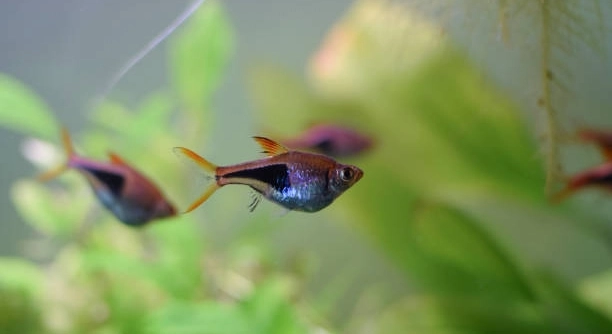
Rasboras are small, colorful fish often kept in groups by hobbyists. While usually peaceful, they can sometimes display aggressive behavior when kept together in certain conditions. Understanding why this happens can help keep your aquarium calm and balanced.
Aggression in rasbora groups typically results from overcrowding, lack of hiding spaces, or competition for resources such as food and territory. These stressors trigger defensive and territorial behaviors, causing the fish to act aggressively toward one another to establish dominance and protect their space.
Recognizing the causes of this behavior is key to creating a peaceful environment for your rasboras and ensuring their well-being in a shared tank.
Common Triggers of Aggression in Rasbora Groups
Aggression among rasboras often starts when their environment is crowded. These small fish need enough space to swim and hide. Without sufficient room, they feel stressed and compete more fiercely. Limited hiding spots increase their vulnerability, pushing some to act aggressively to claim territory. Another factor is competition for food. When feeding is uneven, some rasboras become more dominant and aggressive to secure meals. Water quality can also affect behavior. Poor water conditions raise stress levels and can lead to unexpected aggression. Temperature fluctuations or unclean tanks make the fish uncomfortable and prone to fighting. Finally, the size and species mix in the tank matter. Larger or more territorial fish can intimidate or provoke rasboras, increasing conflicts. To keep rasboras calm, it is essential to address these triggers by creating a balanced, comfortable habitat where each fish has space and resources to thrive.
Stress and competition in crowded tanks often lead to rasbora aggression, especially when hiding spots are limited or feeding is uneven.
Creating a peaceful tank means giving rasboras enough room, hiding places, and steady feeding. Regular tank maintenance keeps water clean and stable, which lowers stress. Introducing plants or decorations can help break up sightlines and provide shelter. Keeping similar-sized rasboras together and avoiding aggressive species reduces conflicts. These simple steps help rasboras feel secure and reduce aggressive behavior over time.
How to Manage and Reduce Aggression in Rasbora Groups
Controlling aggression starts with tank setup.
Providing enough space is crucial. A larger tank reduces competition and stress, allowing rasboras to swim freely. Adding live plants and decorations gives hiding spots and visual barriers that lower aggressive encounters. Feeding the fish consistently and evenly prevents fights over food. It’s helpful to scatter food so all rasboras can eat without competition. Monitoring water quality by doing regular water changes and testing parameters keeps the environment stable and comfortable. Avoiding overcrowding is key — too many fish in one tank increases tension quickly. Finally, selecting peaceful tank mates helps maintain harmony. Rasboras generally do well with other calm fish, so avoid mixing them with aggressive or territorial species. These management techniques encourage a calmer, healthier tank where rasboras can coexist peacefully.
Signs of Aggression in Rasbora Groups
Aggressive rasboras may chase or nip at each other. You might notice torn fins or rapid swimming as they try to escape. These behaviors can disrupt the peaceful balance of the tank quickly.
Aggression often shows through chasing where one fish pursues another relentlessly. Nipping at fins causes visible damage and stress. Some rasboras may isolate themselves or hide more often to avoid conflict. Rapid, erratic swimming is another sign of discomfort caused by aggressive interactions. This behavior not only stresses the fish but can also increase their vulnerability to illness. Watching closely for these signs helps you intervene early, protecting the group from serious harm. Early detection allows adjustments before aggression escalates into injury or death.
Ignoring these signs may worsen the situation, leading to weakened fish and potential loss. Addressing aggressive behavior promptly ensures the group remains healthy. Providing enough space and resources helps reduce these conflicts. Proper tank conditions and monitoring improve overall wellbeing, keeping your rasboras thriving together.
Role of Tank Environment in Rasbora Behavior
Tank environment directly impacts rasbora behavior, affecting their stress and aggression levels. Proper setup creates a calm atmosphere where rasboras feel secure.
Water quality, temperature, and lighting play important roles. Clean, stable water reduces stress and promotes natural behavior. Overly bright lights or sudden changes can cause agitation, so moderate lighting is best. The presence of plants and decorations breaks line of sight between fish, preventing territorial disputes. Substrate choice also matters, as natural textures provide comfort. Consistent water parameters maintain balance, preventing aggression triggered by environmental shifts. Ensuring the tank mimics their natural habitat helps rasboras remain peaceful and healthy.
Careful planning of tank size, décor, and maintenance routines supports harmonious behavior. Avoid overcrowding and keep compatible species together. These steps minimize stressors and encourage social interactions without conflict. Maintaining the right environment is key to reducing aggression and enhancing your rasboras’ quality of life.
Group Size and Its Effect on Aggression
Rasboras naturally live in schools, and group size influences their behavior. Too few fish may cause stress and increased aggression as they try to establish dominance.
Keeping at least six or more rasboras helps diffuse aggression by spreading social interactions across the group rather than focusing on individuals.
Feeding Habits and Aggression
Uneven feeding can trigger aggressive behavior as dominant rasboras compete for food. Feeding small amounts multiple times a day encourages fair access for all fish. Offering a varied diet with flakes, pellets, and occasional live food reduces competition and promotes calmer behavior during feeding times.
Tank Mates and Aggression
Choosing peaceful, compatible tank mates helps maintain harmony. Avoid adding aggressive or territorial fish that may provoke rasboras.
Water Quality Importance
Maintaining clean water with regular changes keeps stress levels low and supports calm interactions among rasboras.
FAQ
Why do rasboras nip at each other?
Rasboras may nip at each other due to stress, overcrowding, or competition for food and territory. When there is not enough space or hiding spots, they feel threatened and act defensively. Nipping is a way to assert dominance or protect their area, which is more common in small tanks or poorly arranged environments.
How many rasboras should I keep together?
It is best to keep at least six rasboras in a group. Smaller groups tend to increase stress and aggression because the fish focus their attention on establishing dominance within a limited number of companions. Larger groups help spread social interactions and reduce aggressive behavior.
Can tank size affect rasbora aggression?
Yes, tank size plays a big role. A cramped tank increases stress and competition, leading to more aggression. Providing a larger tank with enough swimming space allows rasboras to establish their own territories and reduces conflicts. At least 20 gallons is recommended for a group.
Do hiding places reduce aggression?
Providing plants, decorations, and hiding spots helps break up the line of sight and gives fish places to retreat. This lowers stress and prevents constant confrontations. Rasboras feel safer with ample cover, which reduces aggressive interactions.
Is water quality important for reducing aggression?
Absolutely. Poor water quality stresses fish and can trigger aggressive behavior. Regular water changes and monitoring parameters like ammonia, nitrite, and nitrate keep the environment stable. Healthy water helps rasboras remain calm and social.
What role does feeding play in aggression?
Uneven feeding causes competition and fights over food. Feeding small amounts multiple times a day and spreading food throughout the tank ensures all fish get their share. A varied diet with flakes, pellets, and occasional live food keeps rasboras healthy and less aggressive.
Can tank mates influence rasbora aggression?
Yes, tank mates impact behavior greatly. Aggressive or territorial fish can provoke rasboras into fighting. Choosing peaceful, compatible species helps maintain a calm tank. Avoid mixing rasboras with fin-nippers or dominant fish.
How do I spot early signs of aggression?
Look for chasing, fin nipping, torn fins, and hiding behavior. Rapid or erratic swimming is another sign. Catching these early allows you to make changes before injury occurs. Regular observation is important to keep the group balanced.
Will rasboras calm down as they mature?
They may become less aggressive over time as social hierarchies settle. However, this depends on tank conditions. Proper space, feeding, and environment must still be maintained to prevent ongoing conflicts.
Should I separate aggressive rasboras?
If aggression causes injury or stress, temporarily separating the most aggressive individuals can help. Use a breeder box or a separate tank until they calm down. This can prevent harm and restore peace in the main tank.
How often should I clean the tank to reduce aggression?
Regular maintenance is key. Weekly partial water changes of 20-30% keep water quality high and reduce stress. Clean substrate and remove uneaten food to prevent toxins. A clean tank helps rasboras stay healthy and less aggressive.
Can lighting affect rasbora aggression?
Harsh or sudden lighting changes can stress rasboras, making them more likely to fight. Use moderate, consistent lighting and avoid bright flashes. Dimmer or natural light levels support calmer behavior.
Does temperature impact aggression?
Extreme temperatures or fluctuations cause discomfort and stress. Keep water between 72°F and 79°F for most rasboras. Stable temperature reduces stress-induced aggression and supports their natural behavior.
What is the best way to introduce new rasboras to an existing group?
Introduce new fish slowly using a quarantine tank first to prevent disease. When adding them to the main tank, rearrange plants and décor to disrupt established territories. This reduces aggression by giving all fish a fresh environment to adjust in.
Can stress from other causes increase aggression?
Yes, factors like poor diet, illness, or sudden changes in the tank environment can increase stress and trigger aggressive behavior. Keeping the tank stable, feeding properly, and monitoring health reduces overall stress and aggression.
How can I keep a peaceful rasbora community long-term?
Maintain a large, well-planted tank with plenty of hiding spots. Keep groups of six or more rasboras and choose peaceful tank mates. Feed evenly, monitor water quality, and watch for signs of stress or aggression. Consistency in care promotes a calm, thriving group.
Rasboras are beautiful and lively fish that add charm to any aquarium. However, their occasional aggressive behavior in groups can be confusing and frustrating. Understanding the reasons behind this aggression is important for maintaining a healthy and peaceful tank. Many factors, such as overcrowding, lack of hiding places, competition for food, and poor water conditions, contribute to tension among rasboras. When these needs are met properly, their natural social behavior is more balanced, allowing them to coexist without unnecessary stress or fighting.
Creating the right environment plays a crucial role in minimizing aggressive behavior. A spacious tank with plenty of plants and decorations provides the necessary hiding spots and breaks visual contact, which helps reduce territorial disputes. Maintaining stable water quality with regular cleaning and careful monitoring also keeps stress levels low. Feeding routines that ensure all fish get enough food without competition encourage calm interactions. Group size is equally important—keeping six or more rasboras in a well-planned setup helps distribute social interactions evenly, preventing dominant individuals from bullying others.
Managing aggression in rasbora groups requires attention to both their physical environment and social needs. Regular observation allows early detection of aggression signs, making it possible to act before conflicts escalate. Adjusting tank conditions, selecting compatible tank mates, and addressing feeding and space needs can greatly improve their behavior. With consistent care and a properly arranged tank, rasboras are more likely to live peacefully together. This creates a more enjoyable experience for both the fish and their caretaker, ensuring a healthy, harmonious aquarium.

Hello,
If you enjoy the content that we create, please consider saying a "Thank You!" by leaving a tip.
Every little bit helps us continue crafting quality advice that supports the health, happiness, and well-being of pets around the world, for pets of all shapes, sizes, and species.
We really appreciate the kindness and support that you show us!