
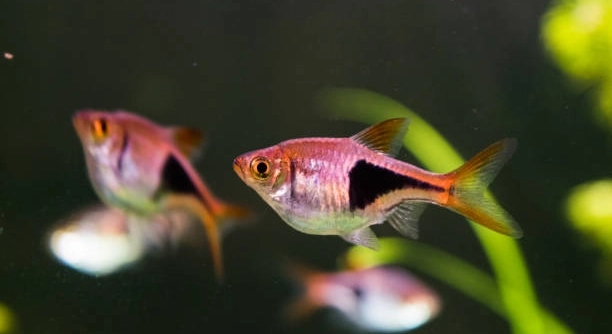
Have you ever noticed your rasboras swimming excitedly just before mealtime and wondered if they somehow know when food is coming?
Rasboras can learn to associate regular feeding schedules with environmental cues like light, movement, or your presence. This learned behavior makes it seem as though they “predict” feeding time, but it’s actually a form of conditioned response.
This article will explore how rasboras respond to feeding routines and what influences their behavior in a home aquarium.
How Rasboras React to Routine Feeding
Rasboras are small fish with sharp awareness of their surroundings. In a well-maintained tank, they often recognize patterns tied to daily feeding. They start to respond to movement near the tank, changes in light, or even the sound of the lid opening. This type of behavior doesn’t mean they understand time like we do. Instead, they respond to regular cues based on past experiences. When these cues are repeated consistently, rasboras begin to anticipate what comes next—usually food. Over time, this becomes a learned response, showing just how observant and adaptive these fish can be in a home environment.
These learned responses are often mistaken for an internal clock, but it’s really their memory and conditioning at work.
Rasboras rely on consistency. When feeding happens around the same time each day, they start linking those moments with food. That’s why they seem to know when feeding time is coming.
Environmental Cues and Learned Behavior
Environmental cues are the main reason rasboras appear to predict feeding time.
In aquariums, rasboras start forming associations between external signals and feeding. For example, when lights turn on at a certain hour, or when someone approaches the tank before feeding, rasboras recognize this as part of their routine. Even vibrations from footsteps or the sound of a container opening can trigger them to swim rapidly near the surface. These cues don’t trigger this behavior by instinct but by repetition and reward. After seeing food follow these events, rasboras remember the sequence. This is a simple form of classical conditioning—similar to how pets react to routines at home. It doesn’t require complex thought but shows they are capable of basic learning. By observing how consistently we perform certain actions, rasboras adjust their behavior. This also highlights how sensitive they are to subtle changes. Their behavior is a good indicator of tank stability and how engaged they are in their space.
What Triggers Their Feeding Response
Rasboras respond strongly to consistent daily triggers like tank lighting, movement outside the glass, or the sound of lids opening. These actions become linked to feeding through repetition, making rasboras swim actively or gather near the surface in anticipation.
Even the smallest changes in environment can reinforce this behavior. If the tank lights turn on at the same time each day, rasboras quickly learn to associate that brightness with food soon arriving. Similarly, the sound of the food container being handled can become a powerful trigger. These fish pick up patterns over time, not from instinct, but by observing what repeatedly comes before meals. With enough repetition, even your footsteps near the tank might become part of the routine. Their reaction—usually swimming in a group or hovering near the top—is a sign they’ve recognized a trigger and are expecting to be fed.
When these learned cues are broken or inconsistent, rasboras may seem confused or less active. If feeding is delayed or done at random times, their predictive behavior may weaken. That doesn’t mean they forget entirely, but they do become less responsive. Regularity is what keeps their conditioned response strong. Once their expectations no longer match what follows, the behavior fades over time.
Can They Tell Time?
Rasboras can’t tell time in the way humans do. Their behavior comes from conditioning, not from any understanding of hours or minutes. What they respond to is rhythm, not clocks.
They react to environmental patterns and signals that repeat each day. If your feeding schedule aligns with these consistent cues, the rasboras appear as though they’re keeping time. But there’s no internal clock driving this. Instead, they use cues like morning light or your daily approach to the tank. These actions signal that feeding will follow. So while it looks like they can track time, it’s really a memory-based response to daily habits. You might notice they’re less responsive on days when routines shift, confirming they rely on patterns more than timing. As long as the environment remains predictable, rasboras will continue reacting in ways that seem timed—when it’s really about recognition and consistency.
The Role of Repetition and Timing
Feeding your rasboras at the same time each day builds a routine they learn to expect. Over time, these repeated actions help them form a pattern and show stronger signs of anticipation before meals.
Inconsistent feeding times can confuse them. If signals vary too often, rasboras may stop reacting or show less interest before feedings.
How to Strengthen the Response
To encourage predictable behavior, stick to a regular schedule and use the same feeding cues each time. Keep the lights, movement, and feeding time consistent. If you approach the tank slowly or tap lightly before feeding, rasboras may begin to recognize this and respond. Avoid loud or sudden changes, as it can stress them or interrupt their pattern. Calm and repeated routines help them associate certain actions with food. Even a simple lid sound or your shadow approaching at the same hour daily can help maintain their response. Small efforts build a stronger, more predictable behavior.
Signs They’re Expecting Food
Fast swimming, group gathering near the surface, and focused attention toward movement outside the tank often mean rasboras expect to be fed.
FAQ
Can rasboras really tell when feeding time is coming?
Rasboras do not have an internal clock but learn to associate certain cues with feeding. Regular signals like light changes, movement near the tank, or the sound of food containers become linked to mealtime through repetition. Over time, they react to these cues by gathering or swimming actively near the surface.
Why do my rasboras swim excitedly when I approach the tank?
Your rasboras have likely learned to connect your presence with feeding. Approaching the tank often signals that food is near. They remember this pattern and respond with excitement. This behavior shows their ability to learn and remember routines.
What happens if I feed my rasboras at irregular times?
Feeding at irregular times can weaken their learned response. Without consistent signals, rasboras may become less active or confused before meals. They rely on repetition to build anticipation. Inconsistent schedules make it harder for them to recognize feeding cues.
Can I train my rasboras to respond to a specific sound?
Yes, rasboras can associate sounds with feeding if those sounds consistently occur before mealtime. For example, tapping the tank or shaking a food container can become a feeding cue over time. Repetition is key for this kind of conditioning.
How long does it take for rasboras to learn feeding routines?
It usually takes several days to weeks for rasboras to develop strong feeding responses. The more consistent the feeding time and cues, the faster they learn. Daily repetition helps them remember the pattern and respond reliably.
Are rasboras stressed if feeding is delayed?
Delays in feeding can cause temporary stress or confusion, especially if rasboras expect food at a certain time. They might swim restlessly or gather at the surface. While short delays are usually not harmful, long or irregular feeding can affect their health and behavior.
Do all fish species show this kind of learned feeding behavior?
Many fish species can learn to associate cues with feeding, but the strength of this behavior varies. Rasboras are quite responsive because of their social nature and alertness. Some species may not show such clear anticipation.
Can environmental changes affect their feeding behavior?
Yes, changes in lighting, tank layout, or noise can impact how rasboras respond to feeding cues. Sudden or frequent changes may confuse them or reduce their conditioned behavior. Keeping a stable environment helps maintain their routine.
Is it possible for rasboras to forget feeding routines?
If feeding patterns change drastically or become inconsistent, rasboras may lose their conditioned response. Without reinforcement, learned behaviors fade. Returning to a regular schedule can help rebuild their anticipation over time.
How can I tell if my rasboras are healthy through their feeding behavior?
Healthy rasboras usually show eagerness and active swimming before feeding. Lack of interest or sluggishness could indicate stress or illness. Regular feeding routines help monitor their wellbeing by observing how they respond to expected cues.
Rasboras are interesting fish that show how animals can learn and adapt to their environment. Their ability to anticipate feeding time is not a sign of knowing time like humans do, but rather a response built from routine and repeated cues. These fish react to signals such as light changes, movements around the tank, or sounds connected with feeding. When these signals happen regularly, rasboras learn to expect food and respond accordingly. This behavior highlights how important consistency is in caring for them and keeping them comfortable in a home aquarium.
Maintaining a regular feeding schedule helps rasboras feel secure and active. When their environment stays stable, they develop a predictable routine that benefits their overall wellbeing. Changes in feeding times or the tank environment can confuse them and reduce their response to feeding cues. This may cause them to be less lively or even stressed. By keeping feeding times consistent and using the same signals, such as turning on the tank light or opening the lid gently, you encourage healthy behavior in your rasboras. These small habits not only help your fish recognize feeding time but also create a peaceful tank environment where they can thrive.
Understanding how rasboras learn to anticipate feeding time offers helpful insight for anyone caring for these fish. It shows how their behavior is closely linked to the way we care for them and the routines we set. While they do not truly tell time, their ability to recognize patterns reflects their intelligence and adaptability. Paying attention to these patterns can improve how you interact with your fish and help create a more enjoyable experience for both of you. Consistency and gentle care are key factors in making sure your rasboras stay healthy and responsive, turning feeding time into a calm and predictable part of their day.

Hello,
If you enjoy the content that we create, please consider saying a "Thank You!" by leaving a tip.
Every little bit helps us continue crafting quality advice that supports the health, happiness, and well-being of pets around the world, for pets of all shapes, sizes, and species.
We really appreciate the kindness and support that you show us!