
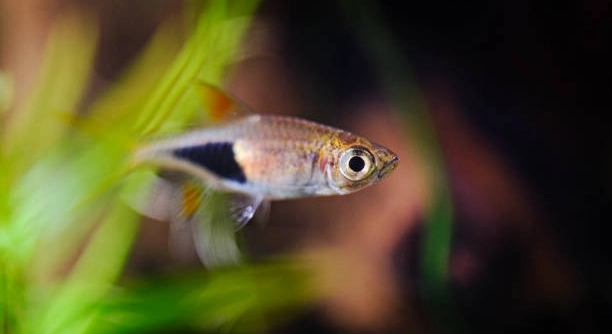
Rasboras are small, colorful fish popular in many home aquariums. They are peaceful and easy to care for, making them a favorite among fishkeepers. Understanding their water preferences can help keep them healthy and comfortable.
Rasboras generally prefer calm or gently flowing water over strong currents. Their natural habitats usually have slow-moving streams or still waters, which provide a stable environment for swimming and feeding. Excessive water movement can cause stress and reduce their well-being.
Knowing how water flow affects rasboras can improve your aquarium setup. This insight helps create a balanced environment where they thrive and display their best behavior and colors.
Natural Habitat of Rasboras
Rasboras are native to Southeast Asia, where they live in calm, slow-moving waters such as small streams, ponds, and rice paddies. These environments usually have plenty of plants and soft substrates, which provide shelter and food. The water in their natural habitat is typically clear, warm, and gentle in flow, creating a peaceful space for them to swim and explore. Strong currents are rare in these areas, so rasboras have adapted to prefer quiet, stable water conditions. When kept in an aquarium, mimicking this calm environment helps reduce stress and supports their natural behavior. It also encourages them to swim in groups, which is important for their social nature. Overly strong water movement can tire them out or make it harder to feed properly. Many aquarists notice that rasboras become more active and colorful when water flow is kept moderate or low.
Maintaining gentle water movement in the tank helps rasboras feel secure and healthy.
Providing a habitat close to their natural setting improves their overall well-being and longevity in home aquariums.
How Water Movement Affects Rasbora Behavior
Rasboras use slow water currents to find food and stay safe. They swim calmly in groups, which helps them feel less vulnerable. In fast-moving water, their swimming can become erratic, and they may hide more often. Strong currents can also make it difficult for them to feed properly, which might lead to poor nutrition. Their fins are delicate, so constant fighting against heavy flow could cause damage or stress. A balanced water flow also helps keep the aquarium clean without disturbing the fish. Filters or pumps should be adjusted to provide gentle circulation. Keeping the water flow low also prevents excessive energy use by the fish, which is better for their health. When rasboras are comfortable, they display their natural colors more vividly and interact better with other tank mates. Ensuring the right water movement is key for a peaceful and thriving aquarium environment.
Setting Up the Right Water Flow
Water flow in a rasbora tank should be gentle but consistent. Too much movement stresses the fish, while too little can cause stagnant water issues.
To achieve the right flow, use a filter with adjustable output or add a flow diffuser. Position the filter outlet to create soft currents instead of direct blasts of water. This helps maintain oxygen levels and cleanliness without overwhelming the fish. Planting live plants can also break up water movement and create calm areas. Regular monitoring is important to ensure flow stays suitable as equipment ages or tank conditions change. Adjustments might be needed seasonally or after adding new fish.
Observing your rasboras’ behavior will tell you if the water flow is right. If they seem lethargic or hide often, the current may be too strong. If the tank feels still or smells, flow might be too low. A well-balanced setup promotes healthy activity and feeding.
Signs of Stress from Water Movement
When rasboras face too strong a current, they may struggle to swim or gather in corners away from the flow. They might lose their bright colors and show reduced activity. Stress can weaken their immune system, making illness more likely. In contrast, very calm water without enough movement may lead to poor oxygen circulation, causing sluggishness or gasping at the surface.
Watch for frequent hiding, clamped fins, or sudden changes in appetite as signs the water flow needs adjustment. Proper flow encourages natural schooling and normal behavior. Ensuring the right environment helps keep rasboras vibrant and comfortable, avoiding unnecessary health issues.
Choosing the Right Equipment
Filters with adjustable flow rates are best for rasbora tanks. They allow control over water movement to suit the fish’s needs.
Using a sponge filter or adding flow baffles can help reduce strong currents. These options keep water clean without overwhelming the fish.
Tank Placement and Environment
Placing the aquarium away from direct sunlight and drafts helps maintain stable water conditions. External factors like heat and air flow can affect water movement and temperature, which may stress rasboras.
Keeping the tank in a quiet area reduces vibrations and disturbances that could increase water flow unexpectedly. This calm environment supports rasboras’ preference for gentle currents and helps them feel secure.
Live Plants and Water Flow
Live plants soften water movement by breaking up currents naturally. They also provide shelter and resting spots for rasboras.
Adding plants like Java fern, Anubias, or floating species improves water quality and creates a peaceful habitat that matches their natural environment.
Summary of Key Points
Calm, gentle water flow suits rasboras best. Proper equipment and careful placement help maintain this environment.
FAQ
Do rasboras need strong water currents to stay healthy?
No, rasboras do not need strong water currents. They thrive best in gentle, slow-moving water similar to their natural habitats. Strong currents can cause stress, tire them out, and disrupt their natural swimming patterns. Maintaining a calm flow keeps them healthy and comfortable.
How can I reduce strong water flow in my tank?
To reduce water flow, try adjusting the filter’s output if it has that option. You can also add a flow diffuser or sponge to soften the water movement. Positioning plants or decorations in front of the filter outlet helps break the current and creates calmer areas in the tank.
Can too little water movement harm rasboras?
Yes, too little movement can lead to poor oxygen circulation and stagnant water. This can cause the fish to become sluggish or gasp for air at the surface. It’s important to maintain gentle but consistent flow to keep the water clean and oxygenated.
What signs show my rasboras are stressed by water flow?
Signs of stress include hiding often, clamped fins, faded colors, and erratic swimming. If they constantly struggle against the current or gather in corners away from it, the flow might be too strong. On the other hand, gasping at the surface or inactivity may mean the flow is too weak.
Is it better to have live plants or decorations to control water flow?
Both can help, but live plants offer extra benefits like improving water quality and providing hiding spots. Plants slow down currents naturally, which rasboras appreciate. Decorations can also break the flow but don’t provide the same biological advantages as plants.
How often should I check the water flow in my tank?
Regularly checking is important, especially after maintenance or adding new equipment. Weekly observations are good to ensure the flow remains suitable. Watch your fish’s behavior as a clue to whether adjustments are needed.
Can rasboras adapt to stronger currents over time?
Rasboras may tolerate moderate changes but generally do not adapt well to strong currents. Their bodies and behavior suit calm waters, so consistently strong flow can cause ongoing stress and health problems. It’s best to keep conditions close to their natural environment.
What type of filter is recommended for a rasbora aquarium?
A sponge filter or a canister filter with adjustable flow is ideal. These filters clean water efficiently without creating strong currents. Sponge filters also offer gentle filtration and safe conditions for small fish like rasboras.
Does water temperature affect how rasboras handle water movement?
Water temperature impacts fish activity but doesn’t change their preference for gentle flow. Warmer water may increase activity, so flow should still be adjusted to avoid stress. Maintaining stable, suitable temperature alongside gentle currents ensures overall health.
Can I keep rasboras with fish that prefer stronger currents?
Mixing species with different flow preferences can be challenging. Fish that enjoy strong currents might stress rasboras or create unsuitable water movement. Choose tank mates with similar needs to keep the environment stable and peaceful.
Final Thoughts
Rasboras are small fish that thrive best in calm, gentle water conditions. Their natural habitats rarely have strong currents, so replicating these slow-moving environments in an aquarium helps keep them healthy and stress-free. When water flows too quickly, rasboras may become tired, hide more often, or lose their bright colors. On the other hand, water that is too still can cause oxygen levels to drop and make the fish sluggish. Finding the right balance of water movement is key to creating a comfortable home for rasboras.
Using the right equipment plays an important role in controlling water flow. Filters with adjustable flow rates or sponge filters work well because they clean the water without creating strong currents. Adding plants and decorations can also help break up the flow, creating peaceful areas for the fish to swim and rest. Regularly checking how the fish behave can guide adjustments. If rasboras seem stressed or avoid certain parts of the tank, it might be time to change the water flow. Keeping an eye on the water flow, temperature, and overall tank setup ensures a healthier and happier aquarium.
Ultimately, understanding what rasboras need helps improve their quality of life. They show their best colors, swim actively, and interact more when water conditions suit them. The calm, slow water that matches their natural environment allows them to feel secure and comfortable. Paying attention to water movement is a simple but important step in caring for rasboras, supporting their health and beauty in any aquarium setting.

Hello,
If you enjoy the content that we create, please consider saying a "Thank You!" by leaving a tip.
Every little bit helps us continue crafting quality advice that supports the health, happiness, and well-being of pets around the world, for pets of all shapes, sizes, and species.
We really appreciate the kindness and support that you show us!