
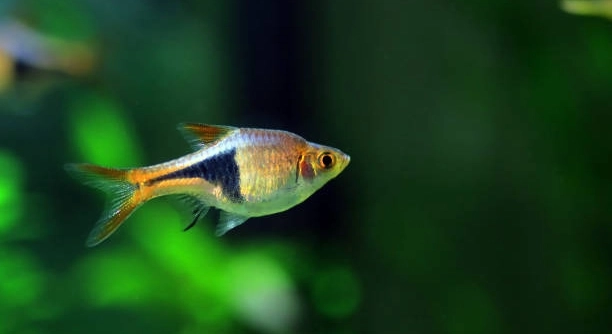
Have you ever watched your rasboras swim and noticed something just seemed a little different about the way they move?
Rasboras can show noticeable body language changes due to stress, illness, water conditions, or social dynamics. These changes often appear as altered swimming patterns, fin clamping, color fading, or hiding behaviors. Observing these signs is essential.
By learning to spot these subtle changes, you’ll be better prepared to care for your rasboras and keep them healthy and comfortable in their environment.
Change in Swimming Patterns
Rasboras are usually calm swimmers, often moving together in small schools. If you notice one swimming erratically, darting around, or isolating itself, this could mean something is wrong. Stress from poor water conditions, sudden changes in temperature, or even aggression from tank mates can cause this. Sometimes, an internal infection or parasite may also lead to unusual swimming behavior. It’s important to check your tank setup and make sure all parameters are in the proper range. Adding hiding spots and plants can also help reduce stress and promote normal behavior. If the odd swimming continues, it may be best to observe the fish closely or consult a vet who specializes in aquatic pets. Catching these signs early can make a big difference in your rasbora’s health and comfort. The sooner you take action, the better the outcome for your fish.
A rasbora that circles endlessly or floats sideways may be dealing with swim bladder issues or stress.
Taking time to observe how your rasboras move daily can help you notice subtle changes quickly. Even small adjustments in swimming behavior are worth paying attention to. Healthy rasboras usually move in unison, so anything outside of that may require a closer look and some gentle changes to their care.
Color Fading
Faded colors in rasboras are often caused by stress or poor water quality. A healthy rasbora should display a rich, consistent color.
Color changes can also be a reaction to sudden shifts in lighting, temperature, or the introduction of new tank mates. It’s common for fish to pale during transport or after being moved to a new environment. However, if the paleness continues or worsens, it’s worth checking your aquarium’s ammonia, nitrite, and nitrate levels. Water changes should be done regularly, and filters need to be working efficiently. A lack of proper nutrition can also impact their coloration, so offering a varied diet with high-quality food is important. Don’t overlook bullying or overcrowding either—both can stress your rasboras and cause their colors to dull. You may also notice their colors fade during nighttime or rest, but they should return to normal during the day. If not, something might be off in the tank environment.
Clamped Fins
Clamped fins are a clear sign that something isn’t right. When a rasbora holds its fins tightly against its body, it often means the fish is stressed, unwell, or uncomfortable in its environment. This behavior should never be ignored.
Poor water conditions are one of the most common causes. Even slight changes in ammonia or pH levels can lead to discomfort. Check your water parameters and do a gentle water change if needed. Illness like fin rot or external parasites may also be responsible, especially if the fins look ragged or discolored. Make sure there’s no aggressive tank mate causing constant stress. Sometimes, rasboras will clamp their fins during acclimation or after a recent change in their setup. If the clamping continues, try dimming the lights and providing hiding spots to help them feel safe. When caught early, clamped fins can often be reversed with simple adjustments.
It’s helpful to monitor your rasbora closely for other signs, like reduced appetite or sluggish swimming. These added symptoms can point to illness rather than just stress. A fish that clamps its fins constantly needs attention. Even though it might not look severe at first, it’s often one of the earliest signs that something is off.
Hiding More Often
When rasboras begin to hide more than usual, it’s often because they feel unsafe or stressed. These fish usually enjoy swimming in open water, especially when in a group. Sudden hiding may mean the environment needs adjusting.
Changes in their tank setup, lighting, or tank mates can all cause them to seek shelter more frequently. If a rasbora has recently been added to a new tank or if the group size is too small, it may feel threatened. These fish are naturally social and feel safer in groups of six or more. Also, check for strong currents or overly bright lighting that could make the tank uncomfortable. Aggression from other species or sudden loud noises nearby may also make them hide. It’s important to create a calm, steady environment and ensure your rasboras are surrounded by plenty of plants or decorations to retreat into when they need it.
Sudden Aggression
Rasboras are peaceful fish, so any signs of chasing or nipping may be stress-related. Overcrowding, limited hiding spots, or a poor male-to-female ratio can lead to tension, even among fish that normally get along.
Watch for patterns in behavior. If the aggression happens during feeding or in specific areas of the tank, there may be a territory issue. You can reduce this by rearranging decorations, adding more plants, and making sure each fish has enough space. Sometimes, increasing the group size also helps spread out aggression and create a more balanced dynamic.
Gasping Near the Surface
If rasboras are gathering at the surface and gasping, it usually means the tank has low oxygen levels. This can be caused by poor circulation, high water temperature, or overcrowding. Make sure your filter is working well and consider adding an air stone or lowering the temperature slightly.
Shimmering or Flashing
Rasboras that quickly rub their bodies against objects or flash their sides may be dealing with parasites.
How can I tell if my rasbora is stressed?
Stress in rasboras often shows through changes in behavior and body language. Look for clamped fins, faded colors, erratic swimming, and hiding more than usual. They may also lose appetite or become sluggish. These signs usually point to water quality issues, bullying, or sudden changes in the environment.
What causes rasboras to swim erratically?
Erratic swimming can result from poor water parameters like high ammonia or nitrite levels. It may also happen if the fish feels threatened by aggressive tank mates or if there is a sudden change in tank conditions. Swim bladder problems or parasites can also cause unusual swimming patterns.
Why do rasboras clamp their fins?
Clamped fins often mean the fish is uncomfortable or stressed. This can come from illness, poor water quality, or aggressive tank mates. It is important to check water conditions and look for signs of infection or parasites to address the root cause.
What should I do if my rasbora’s color fades?
Fading color usually means stress or poor health. Make sure the water quality is good and stable. Provide a balanced diet and reduce any tank stressors like bullying or overcrowding. Sometimes, poor lighting or changes in the environment cause temporary fading.
Is it normal for rasboras to hide a lot?
Rasboras like to swim in groups and open water, so excessive hiding is a sign of stress or discomfort. Changes in tank conditions, aggressive tank mates, or lack of cover can cause this behavior. Adding plants and decorations helps them feel secure.
Why do rasboras gasp at the surface?
Gasping at the surface usually means low oxygen levels in the water. This can happen due to poor water circulation, overcrowding, or warm water temperatures. Improving aeration and performing regular water changes can fix this issue.
How can I reduce aggression in my rasbora tank?
Aggression can be reduced by maintaining proper stocking levels, keeping a balanced male-to-female ratio, and providing plenty of hiding spots. Rearranging tank decorations can also help break up territories and prevent conflicts.
What does flashing or rubbing mean in rasboras?
Flashing or rubbing against objects is often a sign of external parasites. This behavior helps the fish try to remove irritants from their skin. It’s important to check for parasites and treat the tank if needed to prevent worsening health.
How often should I test my tank water for rasboras?
Testing water weekly is a good routine to catch issues early. Key parameters include ammonia, nitrite, nitrate, pH, and temperature. Keeping these stable helps prevent stress and illness in your rasboras.
Can diet affect my rasbora’s body language?
Yes, diet plays a big role in overall health and behavior. Poor nutrition can lead to dull colors, lethargy, and weakened immune response, making fish more prone to stress and disease. Feed a varied diet with quality flakes, pellets, and occasional live or frozen foods.
When should I seek professional help for my rasboras?
If your rasboras show persistent signs like clamped fins, flashing, gasping, or erratic swimming despite improving tank conditions, consult an aquatic vet. Early diagnosis and treatment improve the chances of recovery.
Watching your rasboras closely can tell you a lot about their health and comfort. Small changes in their body language, like clamped fins or color fading, often show that something in their environment is not quite right. These fish rely on stable water conditions, a peaceful tank setup, and good nutrition to stay healthy. When you notice any unusual behavior, it’s a good idea to check your aquarium’s water quality, make sure the tank mates get along, and provide enough hiding spots for them to feel safe. Paying attention to these details helps keep your rasboras happy and stress-free.
Stress is one of the main reasons for most body language changes in rasboras. It can come from many sources, such as poor water conditions, overcrowding, or even changes in lighting or temperature. When rasboras are stressed, they might swim erratically, hide more than usual, or lose their vibrant colors. Recognizing these signs early gives you a chance to act before the fish get sick. Simple actions like regular water tests, proper feeding, and tank maintenance can make a big difference. Making your tank environment stable and calm helps your fish feel safe and behave naturally.
Overall, understanding rasbora body language is an important part of caring for these beautiful fish. By watching how they move, where they spend their time, and how their fins and colors change, you can learn what they need to thrive. This knowledge helps you create a better home for them and enjoy watching their lively, peaceful behavior. Keeping your rasboras healthy means less worry and more enjoyment as you watch them swim happily in their environment.

Hello,
If you enjoy the content that we create, please consider saying a "Thank You!" by leaving a tip.
Every little bit helps us continue crafting quality advice that supports the health, happiness, and well-being of pets around the world, for pets of all shapes, sizes, and species.
We really appreciate the kindness and support that you show us!