
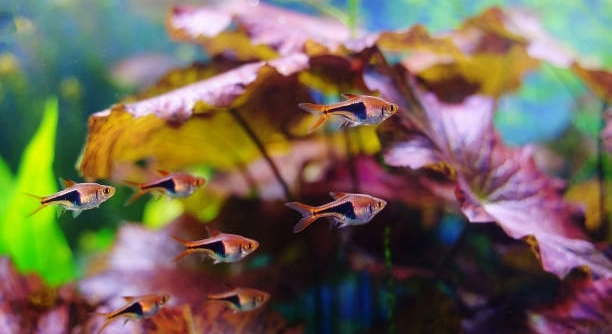
Rasboras are small, peaceful fish that many hobbyists enjoy keeping in home aquariums. Observing their behavior can help ensure they stay healthy and stress-free. Knowing when they rest is important for maintaining a balanced tank environment.
Rasboras rest by reducing movement and often hover near plants or tank decorations. During rest, their fins may be less active, and they might choose dimmer areas of the aquarium. Recognizing these signs helps in providing proper care and avoiding unnecessary stress.
Understanding their resting habits can improve your aquarium’s atmosphere and your fish’s well-being. This knowledge helps create a calm, comfortable space for your rasboras to thrive.
How Rasboras Rest
Rasboras usually rest during the quieter parts of the day, often in the early morning or late evening. When resting, they slow their swimming and may stay still for longer periods. They tend to choose areas in the aquarium with less light or near plants where they feel safe. This resting behavior helps them conserve energy and stay healthy. It is normal to see rasboras stop moving for a while, but they will usually remain alert to their surroundings. Resting does not mean they are sick, but it is important to watch if they become lethargic or stop eating. A healthy rasbora will rest naturally but will still react to changes or feeding time. Providing plenty of hiding spots and a calm environment supports their resting habits and overall well-being.
Rasboras rest by staying still, often near plants or decorations where they feel secure and less exposed to light.
Keeping an aquarium calm and well-planted encourages healthy rest. When the tank conditions are right, rasboras will have a natural resting rhythm that supports their health. It is important to avoid sudden noises or bright lights during their resting times. Observing their rest can also help detect early signs of stress or illness. If rasboras are constantly hiding or resting excessively, it may indicate water quality issues or illness. Regular water changes, proper tank maintenance, and a balanced diet all contribute to their comfort. Additionally, keeping tank mates peaceful ensures that rasboras feel safe enough to rest properly. A well-cared-for rasbora will rest calmly and remain active during feeding or playtime, showing clear signs of good health.
Signs to Watch During Rest
Rasboras become less active and hover quietly when resting.
When resting, rasboras usually stay in one spot and breathe more slowly. Their fins may stop moving except for occasional gentle movements. They will avoid bright light and prefer shaded areas or places near plants. If you notice your rasboras hiding or resting more than usual, it could mean they are stressed or unwell. Watching these signs helps you respond early if something is wrong.
Stress, illness, or poor water conditions can change resting behavior. If rasboras appear lethargic, lose appetite, or isolate themselves too much, check water parameters like ammonia, nitrites, and temperature. These fish need clean, stable water to rest and thrive properly. Also, make sure there is enough space and hiding spots to reduce stress. Sometimes, aggressive tank mates cause rasboras to hide and rest more. Maintaining a calm, healthy environment allows rasboras to have natural rest cycles and stay energetic when awake. Regular observation helps you keep their habitat safe and comfortable.
Ideal Tank Conditions for Rasbora Rest
Rasboras need stable water temperature and good water quality to rest well. Sudden changes can stress them and disrupt their rest.
Keeping the water temperature steady between 72°F and 78°F helps rasboras maintain their natural resting rhythm. Frequent water changes and a good filter system remove harmful toxins that can disturb their comfort. Clean water reduces stress and supports healthy behavior. It’s also important to avoid strong currents that make resting difficult. A gentle flow mimics their natural habitat and lets them rest without fighting strong water movement.
Lighting should be soft during their resting times, as bright lights may keep them active or stressed. Using a timer to create a regular day-night cycle encourages natural rest patterns. Providing plenty of plants and hiding places helps rasboras feel safe and reduces stress, allowing them to rest properly. Balancing these conditions makes the tank a peaceful environment where rasboras can relax and thrive.
Feeding and Resting Balance
Rasboras need a regular feeding schedule to keep energy levels balanced with rest. Overfeeding can affect their rest negatively.
Feeding small amounts once or twice a day is best for rasboras. Excess food can pollute the water and cause stress, which interferes with resting habits. It’s important to remove any leftover food quickly to keep water quality high. Feeding before their active periods helps them use energy well and rest afterward. Avoid feeding late at night, as it can disturb their natural resting cycle.
Healthy rasboras with proper nutrition will rest more naturally and stay alert during the day. Consistent feeding and clean water support their energy needs and promote peaceful rest. Monitoring their behavior after feeding can help adjust portions and timing to keep the balance right. This simple care step goes a long way in keeping rasboras healthy and relaxed.
Common Resting Spots in the Aquarium
Rasboras often rest near plants or decorations where they feel safe. These spots offer shade and protection.
They also choose areas with gentle water flow to avoid tiring themselves. Corners of the tank or behind rocks are common resting places for them.
How Stress Affects Resting Behavior
Stress can cause rasboras to rest more than usual or hide excessively. Poor water quality, aggressive tank mates, or sudden changes often cause stress. When stressed, rasboras may lose appetite and appear lethargic, which affects their normal resting cycles. Maintaining a calm environment helps prevent these issues.
Monitoring Your Rasbora’s Rest
Watch your rasboras’ behavior daily to notice changes in their resting patterns. Consistent rest indicates good health and comfort in the tank.
FAQ
Why do Rasboras sometimes float motionless?
Rasboras may float still when they are resting or feeling safe in the tank. This behavior is normal if it happens occasionally during quiet times. However, if they float motionless for long periods or show signs of distress, it might mean illness or poor water quality. Checking water parameters and observing other symptoms can help decide if action is needed.
How long do Rasboras rest each day?
Rasboras usually rest several times throughout the day, especially during low-light periods like early morning or evening. Rest can last from a few minutes to an hour or more, depending on their activity and tank conditions. A stable environment helps them maintain a healthy rest schedule.
Is it normal for Rasboras to hide when resting?
Yes, rasboras often choose hiding spots to rest where they feel secure. Plants, rocks, and decorations provide shade and protection. This behavior is natural and helps reduce stress by making them feel safe.
Can Rasboras rest while swimming slowly?
Yes, rasboras sometimes rest by slowing their swimming instead of staying completely still. Gentle, slow movements allow them to conserve energy while staying alert to their surroundings.
Do Rasboras need darkness to rest properly?
Rasboras rest best in dim or low light. Bright light can keep them active or stressed. Using a timer for aquarium lights creates a regular day-night cycle that supports natural resting patterns.
What are signs of poor rest in Rasboras?
Signs include constant hiding, lack of movement even during active hours, loss of appetite, or erratic swimming. These behaviors can signal stress, illness, or poor tank conditions that disrupt their rest.
How does water quality affect Rasbora rest?
Poor water quality can cause stress and disrupt resting behavior. Ammonia, nitrite, or nitrate levels that are too high irritate fish and may lead to illness. Regular water testing and changes keep conditions ideal for rest and overall health.
Should I change the tank setup if Rasboras rest too much?
If rasboras rest excessively, check for stress causes like aggressive tank mates, poor water, or too little hiding space. Improving tank conditions often restores normal resting behavior without needing a full setup change.
Can feeding times affect Rasbora resting patterns?
Yes, feeding at consistent times helps rasboras use energy efficiently and rest properly afterward. Overfeeding or feeding late at night may disturb their rest and water quality.
Is resting behavior different in young Rasboras?
Young rasboras tend to rest more often as they grow and develop. They need quiet, safe spots to recover energy. Providing plants and gentle tank conditions supports healthy rest for all ages.
How to tell if Rasboras are sleeping or sick?
Resting rasboras are still but alert and responsive to changes like movement or feeding. Sick fish may be lethargic, unresponsive, or show physical signs like discoloration or clamped fins. Observing behavior and water quality helps distinguish rest from illness.
Do Rasboras rest at night?
Yes, rasboras do rest at night, often becoming less active or motionless. A dark tank encourages natural night rest, helping them recover energy for the next day.
Can Rasboras rest with other fish in the same tank?
Rasboras usually rest well with peaceful tank mates. Aggressive or overly active fish can cause stress and disrupt their rest. Choosing compatible species ensures a calm environment where rasboras can relax.
What happens if Rasboras don’t get enough rest?
Lack of rest can weaken their immune system, cause stress, and lead to illness. They may become less active and eat less. Ensuring proper tank conditions and low stress helps rasboras maintain good health through adequate rest.
Is it normal for Rasboras to change resting spots?
Yes, rasboras may move to different spots depending on comfort, water flow, or lighting. Changing resting places is a natural way to find the safest or most comfortable area in the tank.
How to encourage better resting habits in Rasboras?
Maintain stable water quality, keep lighting consistent, provide plenty of hiding spots, and avoid sudden loud noises. A calm, well-planted tank supports natural resting behavior and helps rasboras feel secure.
Rest is an important part of a rasbora’s daily routine, just like it is for many living creatures. These small fish need quiet moments to conserve energy and stay healthy. When rasboras rest, they slow down their movements and often find safe spots within the aquarium, such as near plants or decorations. This behavior helps them feel protected and comfortable. Watching how your rasboras rest can give you valuable clues about their well-being and the overall condition of their environment. It is important to remember that rest is normal, but sudden changes in their resting habits could signal that something is wrong.
Keeping the tank environment stable and peaceful plays a big role in helping rasboras rest well. Stable water temperature, clean water, and gentle lighting encourage healthy resting patterns. If the water quality is poor or the tank is too bright, rasboras may feel stressed and have trouble resting. Providing plenty of hiding places like plants and rocks makes them feel safe. Stress from aggressive tank mates or loud noises can also disrupt their rest. Maintaining a calm aquarium with proper care supports the natural behaviors of rasboras, including their resting cycles, which ultimately contributes to their health and happiness.
Lastly, feeding routines and tank maintenance are closely tied to how well rasboras rest. Feeding them small, regular meals and avoiding overfeeding keeps their energy balanced without polluting the water. Good water quality and a well-filtered tank prevent toxins that could disturb their rest. By observing their behavior daily, you can notice if they are resting normally or if there are signs of stress or illness. This helps you take action early to fix problems. Caring for rasboras with attention to their rest needs will ensure they remain active, healthy, and comfortable in your aquarium.

Hello,
If you enjoy the content that we create, please consider saying a "Thank You!" by leaving a tip.
Every little bit helps us continue crafting quality advice that supports the health, happiness, and well-being of pets around the world, for pets of all shapes, sizes, and species.
We really appreciate the kindness and support that you show us!