
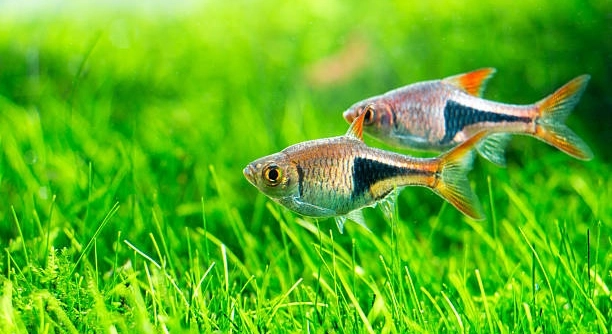
Many fish owners enjoy watching their aquariums and wonder if their Rasbora can learn to respond to signals or training. Rasboras are small, peaceful fish that add life and color to home tanks. Their behavior can sometimes appear curious and engaging.
Rasboras can show simple responses to consistent cues, but their capacity for training is limited compared to more interactive pets. They may learn to associate feeding times with certain signals, yet complex behaviors are unlikely.
Exploring how Rasboras react to their environment can deepen your appreciation for these delicate fish and improve your care routine.
Understanding Rasbora Behavior
Rasboras are naturally active and social fish. They swim in groups and prefer a peaceful tank environment. Watching them move together creates a calming effect. These fish are sensitive to changes in their surroundings and can recognize regular feeding routines. They respond mostly through instinct rather than learning complex tasks. While they won’t perform tricks like some pets, they can become familiar with their caretaker’s presence. Repetition and consistency help Rasboras become less shy and more responsive during feeding. However, their memory span and brain capacity limit advanced training possibilities. Providing a stable environment and predictable feeding times encourages gentle interactions. This makes caring for Rasboras rewarding, even if they don’t learn commands or tricks.
Many Rasboras become more active and visible when they sense a regular routine. This is the closest they come to “responding” in a trained way.
Learning about these natural behaviors gives insight into how to better support your fish’s well-being and interaction.
How to Encourage Simple Responses
Consistency is key to encouraging any response from Rasboras. Using the same feeding spot and time each day helps them associate signals with food. Approaching the tank gently can reduce their stress and make them less likely to hide. Some owners use visual cues, like tapping the tank lightly or shining a small light before feeding. Over time, the fish may swim closer to the signal.
Training Rasboras requires patience since their reactions are subtle and slow to develop. Unlike dogs or birds, their motivation centers mainly on food, not interaction. It is important to avoid sudden movements or loud noises, which scare them and undo progress. Even with effort, expect only basic conditioning rather than true obedience.
Creating a calm environment with consistent feeding habits improves the chances that Rasboras will show simple learned responses. By observing their natural tendencies and adjusting your approach, you can foster a gentle bond that enhances the aquarium experience for both you and the fish.
Common Mistakes When Trying to Train Rasboras
One common mistake is expecting too much too soon. Rasboras have limited learning ability and need gentle, consistent signals. Another error is using abrupt movements or tapping the tank harshly, which can stress the fish and make them avoid interaction.
Overfeeding during training attempts is also a problem. Offering too many treats can harm water quality and the fish’s health. It’s better to use small amounts of food and keep feeding times regular. Avoid changing the environment too often, as this confuses the fish and makes them less likely to respond.
Lack of patience is the biggest barrier. Rasboras take time to recognize patterns and respond. Consistency and calm behavior from the caretaker help build trust, even if responses remain subtle. Understanding these limits keeps expectations realistic and improves the relationship with your fish.
Tools and Techniques That May Help
Using visual cues like a small flashlight or colored object can help Rasboras link signals to feeding. Gentle tapping on the tank glass may also attract their attention if done softly. Timing is important; signals should come just before feeding to form an association.
Repetition is necessary—consistent daily routines work best. Avoid distractions like loud noises or other pets nearby during training. Using tools like feeding rings can concentrate food and focus the fish’s attention. Observing your fish closely allows you to adjust techniques and see which methods they respond to.
While these techniques won’t create complex behaviors, they support basic recognition and improve interaction. Small changes in your approach can make a noticeable difference in how Rasboras react over time.
Patience Is Essential
Rasboras respond best to slow, steady efforts. Rushing the process often causes stress and frustration for both the fish and caretaker.
Regular, calm interactions build familiarity over time. Patience allows Rasboras to become comfortable and more likely to show simple responses.
Feeding as a Motivator
Food is the strongest motivator for Rasboras. Using feeding time as a cue helps them associate signals with rewards.
Offering small amounts of food during training encourages positive behavior without risking overfeeding or water quality issues.
Environmental Factors
A quiet, stable tank environment supports learning. Sudden changes or disturbances can make Rasboras retreat and ignore training attempts.
Maintaining consistent water conditions helps keep fish healthy and receptive to interaction.
Realistic Expectations
Training Rasboras is about small steps, not complex tricks. Expect simple responses linked to routine and feeding, not elaborate behaviors.
Can Rasboras really be trained to respond?
Rasboras can respond to simple, consistent cues mostly related to feeding. They do not learn complex tricks but may recognize signals that mean food is coming. This learning is based on routine rather than true training. Repetition and patience help them associate certain actions, like tapping the tank or approaching at feeding time, with positive outcomes.
How long does it take for Rasboras to respond to signals?
The time varies depending on the fish and consistency of cues. Some Rasboras may show recognition within a week, while others might take longer. Daily, calm routines improve the chances. It’s important to keep expectations low since their memory and learning abilities are limited compared to larger, more intelligent animals.
What methods work best for encouraging responses?
Using gentle tapping or light signals right before feeding works best. The key is consistency—doing the same action at the same time every day. Avoid loud noises or sudden movements, as these frighten Rasboras and make them hide. Small food rewards during training encourage positive association but keep portions minimal to protect water quality.
Can Rasboras recognize their owners?
While Rasboras may not recognize individuals like pets, they become familiar with their caretaker’s presence and routine. They often swim closer when the tank is approached at feeding time. This is more about associating movement and time with food rather than true recognition.
Is it harmful to try training Rasboras?
Training attempts are safe if done gently and without stressing the fish. Avoid tapping too hard or startling the fish. Overfeeding during training can harm water quality, so only small amounts of food should be used. Stressful environments or aggressive handling should always be avoided.
What if my Rasboras don’t respond at all?
Not all Rasboras will show clear responses, and that’s normal. Some fish are naturally shy or stressed. Ensuring a calm tank environment, proper water conditions, and consistent feeding routines increases the chance of response. Patience is essential—sometimes fish need more time to become comfortable.
Can other fish in the tank affect training Rasboras?
Yes. Active or aggressive tank mates can stress Rasboras and make them less likely to respond to signals. Keeping Rasboras in peaceful community tanks or groups of their own kind helps reduce stress and supports better interaction.
How often should training sessions happen?
Short, daily sessions are ideal. A few minutes before feeding is a good time to use signals consistently. Avoid long or frequent attempts that could stress the fish or lead to overfeeding.
Are there tools that make training easier?
Feeding rings or small flashlights can help focus Rasboras’ attention during training. These tools provide a clear, consistent cue linked to food. Using such methods regularly supports better association and response.
What behaviors can I realistically expect from trained Rasboras?
Simple responses like swimming toward the surface when they see a cue or moving closer to the feeding spot are realistic. Expecting tricks or complex commands is unrealistic due to their limited brain capacity and natural instincts.
Does tank setup affect Rasbora responsiveness?
A stable, quiet tank with consistent water quality encourages calm behavior and better responsiveness. Overcrowded or noisy tanks make fish stressed and less likely to react to cues. Proper lighting and hiding spots also help Rasboras feel secure.
Is it possible to damage the fish’s health during training?
Health risks come mainly from stress or overfeeding. Keeping training gentle and food portions small prevents harm. Watching for signs of stress, like hiding or rapid breathing, helps you know when to pause training.
Can Rasboras learn to recognize different signals?
They can learn to associate one or two simple signals with feeding, but not many different cues. Their learning ability is limited, so keeping signals simple and consistent works best.
Does the size or species of Rasbora affect training?
Some species might be slightly more curious, but overall, Rasboras share similar learning limits. Size does not greatly influence their ability to respond to cues.
What is the best way to reward Rasboras during training?
Small, healthy food items like flakes or tiny pellets work well. Use only small amounts to avoid overfeeding. Feeding right after the signal reinforces the connection between cue and reward.
Can stress from training affect Rasboras long-term?
Yes, if training causes frequent stress, it can weaken the fish’s immune system and shorten their lifespan. Keeping training gentle and stress-free protects their health.
Are there alternatives to training for bonding with Rasboras?
Spending quiet time near the tank and maintaining a peaceful environment encourages fish to feel safe. Watching their natural behaviors can be rewarding without expecting trained responses.
How do I know if my Rasboras are stressed during training?
Signs include hiding often, erratic swimming, clamped fins, or loss of appetite. If these appear, stop training and focus on improving tank conditions.
Can Rasboras be trained to come to the surface?
They may learn to associate surface activity with feeding, swimming closer when they see familiar cues. This is the simplest form of response Rasboras can show.
Is training more successful with certain ages of Rasboras?
Younger, more active fish may adapt to cues faster, but age is not a major factor. Consistency and calm approach matter most.
What should I avoid when trying to train Rasboras?
Avoid loud noises, sudden movements, overfeeding, and changing tank conditions frequently. These make fish stressed and unresponsive.
How does group size affect training Rasboras?
Rasboras feel safer in groups of six or more, which encourages natural behavior. Smaller groups or single fish may be more stressed and less responsive.
Can training improve Rasbora health?
Indirectly, yes. Routine feeding and calm interaction can reduce stress and encourage regular eating habits, supporting overall health.
Training Rasboras to respond is a gentle process that requires patience and understanding of their nature. These small fish are not like dogs or birds that can learn complex commands. Instead, their responses come from simple routines and consistent signals, mainly related to feeding. Recognizing this helps set realistic expectations and reduces frustration. By keeping training efforts calm and steady, you encourage Rasboras to become comfortable in their environment and more likely to show subtle signs of recognition. This makes caring for them a more pleasant experience.
It is important to remember that Rasboras have limited learning abilities and prefer a peaceful tank setting. Stress from sudden movements, loud noises, or changes in water conditions can make them hide and avoid interaction. Creating a stable and calm space helps these fish feel secure and open to gentle cues. Feeding routines play a big role in encouraging responses. When Rasboras learn to expect food at certain times and associate it with specific signals, they may swim closer or become more active. These small reactions show a basic form of recognition and can make the daily care routine feel more engaging.
Overall, training Rasboras is less about teaching tricks and more about building trust through simple, consistent habits. It takes time and patience, but the effort is worth it when you notice your fish responding calmly to your presence. Remember to avoid overfeeding and keep your signals clear and gentle. By respecting their natural behavior and limits, you can enjoy a peaceful aquarium where your Rasboras thrive and interact in their own quiet way. This approach not only supports their health but also deepens your connection with these beautiful little fish.

Hello,
If you enjoy the content that we create, please consider saying a "Thank You!" by leaving a tip.
Every little bit helps us continue crafting quality advice that supports the health, happiness, and well-being of pets around the world, for pets of all shapes, sizes, and species.
We really appreciate the kindness and support that you show us!