
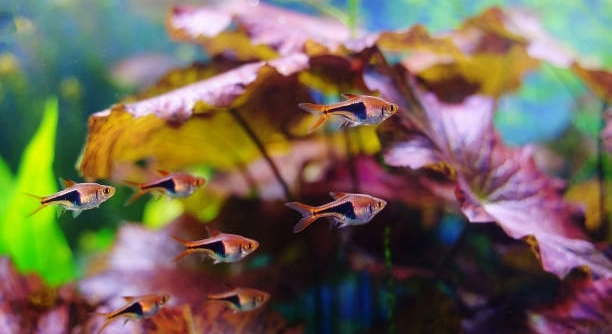
Rasboras are small, lively fish often kept in home aquariums. They are generally peaceful but sometimes exhibit nipping behavior. Understanding what triggers this behavior helps maintain a calm and healthy tank environment.
Rasboras might nip at plants, fins, or other tank decorations due to curiosity, territorial instincts, or competition for food. These actions are often harmless but can indicate stress or a need for environmental enrichment.
Knowing what causes nipping can improve your tank’s harmony and keep your rasboras comfortable and safe in their space.
Common Targets of Rasbora Nipping
Rasboras tend to nip at certain objects or creatures in their tank more than others. One frequent target is the delicate leaves of live plants. The small fish may nibble on new shoots or softer leaves, sometimes mistaking them for food. Another common target is the fins of slower or long-finned tank mates, especially if the rasboras feel crowded or stressed. Decorations such as plastic plants or loose gravel pieces can also attract their attention, prompting nips out of curiosity or boredom. These behaviors usually do not cause serious harm but can indicate a need to adjust tank conditions. Offering a variety of foods and adding more hiding spots often reduces nipping incidents. Observing which objects or fish are nipped most helps you understand their specific triggers and act accordingly.
Nipping at plants or fins often signals stress or a lack of stimulation. It can be managed by improving tank conditions and diet.
Adjusting tank size, enriching the environment with plants and decorations, and ensuring the rasboras are well-fed reduces nipping behavior. Providing companions of similar size and temperament also helps maintain peaceful interactions.
Reasons Behind Rasbora Nipping Behavior
Nipping is usually a natural behavior driven by several factors. It can stem from curiosity, especially when the fish are exploring new surroundings or changes within the tank. Territorial instincts also play a role; rasboras may nip to establish dominance or defend their space, particularly in smaller or overcrowded tanks. Another reason involves competition for food—if food is scarce or difficult to access, they may nip at anything that seems edible. Stress from poor water quality, improper tank mates, or sudden environmental changes can increase nipping as well. Addressing these root causes is key to managing this behavior. Regular tank maintenance, balanced diets, and compatible companions minimize stress and reduce the need for nipping.
Understanding these factors provides insight into managing your rasboras more effectively. It creates a calmer tank and a healthier environment for all aquatic inhabitants.
How to Reduce Rasbora Nipping
Reducing nipping starts with improving the tank environment. Ensuring enough space and hiding spots helps lower stress levels. Feeding a balanced diet also keeps them less likely to nip.
Providing a spacious tank allows rasboras to establish territories without conflict. Live plants and decorations offer hiding places, reducing stress-induced nipping. Feeding small, frequent meals of varied foods like flakes, pellets, and live or frozen options keeps them satisfied. Observing their behavior helps identify if tank mates provoke nipping, and adjustments can be made accordingly. Removing overly aggressive fish and choosing peaceful companions encourages harmony.
Regular water changes and maintaining proper filtration also contribute to a healthy environment. Keeping parameters stable minimizes stress, which often causes nipping. Consistent feeding routines prevent competition over food, which is another common cause of nipping. Together, these steps create a balanced habitat where rasboras are less likely to nip at plants, decorations, or other fish.
Signs Nipping Is Becoming a Problem
If nipping leads to visible damage on plants or injuries on tank mates, it is a problem. Look for torn leaves or frayed fins as warning signs.
Continuous nipping that causes stress or physical harm affects the overall health of your fish and plants. Fin damage can lead to infections, making tank mates vulnerable to disease. Plants that are constantly nipped may not survive, which reduces hiding spots and worsens the problem. If aggression increases or fish show signs of stress like hiding or loss of appetite, immediate action is necessary. Adjusting tank conditions and monitoring interactions help prevent escalation.
Ignoring persistent nipping can disrupt tank balance and lead to long-term issues. Early detection and prompt care maintain a peaceful environment and protect all inhabitants.
Plants Most Often Nipped by Rasboras
Soft-leaved plants like Java fern and Anubias are common targets. Their tender leaves attract nipping more than tougher plants.
Rasboras may also nibble on new growth or delicate shoots. Hardy plants with thick leaves tend to be safer in a rasbora tank.
Tank Mates That Trigger Nipping
Tank mates with long or flowing fins often attract nipping from rasboras. Slow-moving fish or those with bright colors may become targets.
Aggressive or territorial fish can increase stress in rasboras, leading to more nipping. Peaceful, similarly sized fish help maintain balance and reduce conflict.
Feeding Tips to Prevent Nipping
Feeding small amounts frequently keeps rasboras satisfied and less likely to nip. Variety in diet, including flakes, pellets, and frozen foods, provides needed nutrients and reduces boredom.
Consistent feeding routines help prevent competition and aggression around food. Ensuring all fish get enough food minimizes the chances of nipping behavior caused by hunger.
Signs of Stress in Rasboras
FAQ
Why do rasboras nip at other fish’s fins?
Rasboras nip at fins mainly due to curiosity or establishing social hierarchy. They may also do this if the tank is overcrowded or if there is not enough space for each fish to have its own territory. Sometimes, slow-moving fish or those with long fins attract more attention, making them easy targets. This behavior is usually mild but can cause stress or injury if it becomes persistent. Ensuring enough space, adding hiding spots, and choosing compatible tank mates can reduce fin nipping.
Is nipping harmful to plants in the aquarium?
Nipping at plants usually does not cause severe damage, but repeated nibbling on soft or new leaves can weaken them. This may slow plant growth or cause some leaves to die off. Tougher, thicker-leaved plants tend to be less affected. If you notice significant plant damage, consider rearranging or replacing vulnerable plants with hardier species. Adding more plants can also distract the fish and reduce the likelihood of nipping on any single plant.
How can I tell if my rasboras are stressed?
Signs of stress include excessive nipping, hiding, loss of appetite, or erratic swimming. Stress can also cause dull coloration or increased aggression. Poor water quality, overcrowding, and incompatible tank mates are common stress factors. Monitoring water parameters and maintaining a clean environment helps keep stress levels low. Providing a calm and stable tank environment supports healthy behavior and reduces nipping caused by stress.
Can diet affect nipping behavior?
Yes, diet plays a big role. A poor or inconsistent diet can cause rasboras to become more aggressive or bored, leading to nipping. Feeding a balanced diet with a variety of flakes, pellets, and occasional live or frozen foods keeps them satisfied. Regular, small feedings prevent competition over food, which often triggers nipping. Ensuring each fish gets enough food reduces aggressive behavior related to hunger.
What tank size is best to reduce nipping?
Larger tanks help reduce nipping by providing more space for fish to establish territories and avoid conflict. A minimum of 20 gallons is recommended for a small group of rasboras. More space allows for natural schooling behavior and decreases stress from overcrowding. Overcrowded tanks often lead to increased aggression and nipping. Adding plants and decorations further divides the space, offering refuge and reducing tension among fish.
Are certain rasbora species more prone to nipping?
Some rasbora species, like the Tiger Rasbora, are more active and may nip more often than others. However, most rasboras are generally peaceful and only nip when stressed or bored. Species temperament can vary, so observing behavior and tank conditions is important. Selecting species with similar temperaments and sizes helps create a balanced community tank and limits nipping incidents.
How can I stop rasboras from nipping each other?
Stopping nipping between rasboras involves improving tank conditions, such as increasing tank size, adding plants, and keeping the environment clean. Providing plenty of hiding places and feeding them regularly reduces competition and stress. Keeping rasboras in groups of six or more helps disperse aggression and supports natural schooling, which lowers the chance of nipping among themselves.
What should I do if a fish is injured from nipping?
If a fish has torn fins or wounds from nipping, isolate it if possible to prevent further damage. Treat the injury with aquarium-safe antibacterial medications to avoid infection. Improve tank conditions by checking water quality and reducing stressors. Make sure the injured fish is eating well and monitor its recovery closely. Maintaining a peaceful community tank is key to preventing future injuries.
Does adding more plants reduce nipping?
Adding more plants often reduces nipping by providing hiding spots and distractions. Plants create natural barriers and break up sight lines, which can calm territorial disputes. They also offer additional surfaces for exploration, keeping fish engaged. Using a mix of soft and hardy plants creates a balanced environment that limits destructive nibbling on any one plant.
Can nipping be a sign of illness?
Nipping is usually behavior-related, but sometimes it can be linked to illness. Fish that are uncomfortable or irritated by parasites or infections may nip at themselves or others. If nipping is accompanied by other symptoms like lethargy, discoloration, or unusual swimming, check for illness. Quarantining sick fish and consulting with a vet or aquarium specialist helps address health issues promptly.
Final thoughts on rasbora nipping focus on understanding and managing this natural behavior to maintain a healthy aquarium environment. Rasboras are generally peaceful fish, but their tendency to nip can be a sign of curiosity, stress, or social interaction. Recognizing the reasons behind nipping helps aquarium keepers create better conditions for their fish. It is important to observe behavior carefully and adjust the tank setup as needed. Providing enough space, hiding places, and proper nutrition can reduce the likelihood of nipping. This creates a more balanced environment where rasboras and their tank mates can thrive peacefully.
Maintaining water quality and keeping the tank clean also play a crucial role in preventing nipping behavior. Poor water conditions cause stress, which often leads to aggression or curiosity-driven nipping. Regular water changes, proper filtration, and stable water parameters support the health of all aquarium inhabitants. Additionally, choosing compatible tank mates reduces conflicts that might result in nipping. Selecting peaceful fish of similar size and temperament helps maintain harmony. The use of live plants and decorations can further distract rasboras from nipping at fins or plants, offering natural barriers and stimulating exploration.
Finally, patience and attentiveness are key to managing rasbora nipping. It takes time to understand the unique needs and behaviors of your fish. Monitoring changes and responding quickly to signs of stress or damage helps prevent long-term problems. Adjusting diet, environment, or fish combinations can make a big difference. Nipping is not always a negative behavior, but when it becomes excessive, it signals a need for intervention. With proper care and attention, rasboras can live comfortably in your aquarium, showing their natural beauty without causing harm.

Hello,
If you enjoy the content that we create, please consider saying a "Thank You!" by leaving a tip.
Every little bit helps us continue crafting quality advice that supports the health, happiness, and well-being of pets around the world, for pets of all shapes, sizes, and species.
We really appreciate the kindness and support that you show us!