
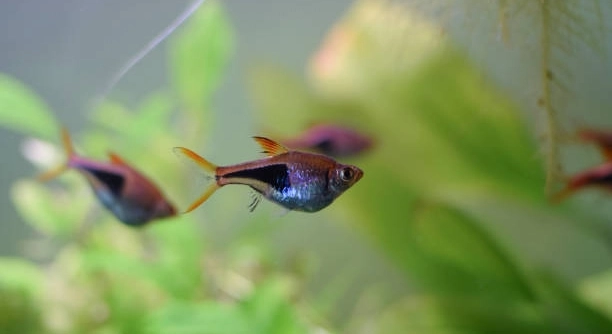
Have you ever sat near your aquarium and noticed your rasboras acting strangely still or unusually calm, making you wonder what it means?
These quiet moments are often key indicators of rasbora behavior, reflecting patterns such as rest, social dynamics, environmental adjustments, or even early signs of stress or illness. Observing these subtle pauses offers valuable insight into their well-being.
By exploring these moments, you’ll gain a better understanding of how rasboras communicate, rest, and interact with their surroundings and tank mates.
Resting at the Bottom of the Tank
When rasboras rest at the bottom of the tank, it can seem unusual at first, but it’s often a normal part of their routine. This behavior typically occurs during low-activity periods, especially in the early morning or late evening. Rasboras may settle on the substrate when they feel safe, and it’s usually a way for them to conserve energy. As long as they are not gasping, discolored, or isolating themselves for long periods, bottom-resting is generally not a concern. Gentle movement and a calm posture are signs that your fish are simply taking a break from swimming. This moment of stillness is important for their overall health, allowing them to recharge before becoming active again. However, if this behavior suddenly increases or seems different from their usual routine, it might be worth observing other conditions in the tank, like water temperature, flow, or changes in lighting or tank mates.
They rely on these low-activity moments to regulate energy, maintain balance, and feel secure in their environment.
Observing them quietly resting helps you notice patterns in their daily cycle. Rasboras may choose hidden corners, under plants, or shaded areas when they need rest. Providing spaces for them to retreat enhances their comfort and supports natural behavior.
Gentle Hovering Near Plants
This behavior shows a need for calm and safety, often after feeding or during stable periods in the tank.
Rasboras often hover near plants when they feel relaxed and secure. These areas give them cover and reduce stress. Floating still in one spot allows them to stay alert while conserving energy. This is not the same as hiding — it’s more like pausing to take in their surroundings. The movement is subtle and rhythmic, usually with fins fluttering lightly as they keep themselves steady. If you notice this behavior often, it means your tank setup provides the shelter and comfort rasboras naturally seek. Live plants like Java fern or Anubias work well for this purpose. They offer protection without blocking too much open space. It’s also a moment where rasboras engage in low-level social interactions. They tend to hover in small groups, signaling to each other that the area is safe. Watching them during these quiet pauses can tell you a lot about their comfort level.
Slow Circling Movements
Rasboras sometimes swim in slow circles, either alone or with others. This calm movement is often a sign of exploration or bonding. It usually happens in the middle of the tank, where they feel most balanced and unthreatened.
This behavior may appear uneventful, but it’s part of how rasboras communicate comfort and connection. Circling slowly allows them to check out their surroundings or interact gently with tank mates. If several rasboras are involved, it’s a good sign they’re comfortable and socially engaged. There’s no need for concern unless circling becomes frantic or repetitive in one spot, which could indicate stress or disorientation. In a calm tank with steady lighting and few disturbances, this motion is natural. It often follows feeding or happens during times when the environment is quiet. The motion is smooth, with even spacing between fish, creating a rhythmic display of relaxed behavior and social awareness.
Pay attention to how often they do this and who joins in. A few might start the motion and others will follow, creating a soft schooling pattern that stands out from their usual fast-paced swimming. It’s often short-lived but very telling of their mood and environment.
Brief Pauses Before Feeding
You may notice rasboras freezing for a moment right before food hits the water. This short pause is a sign of anticipation and focus.
Their feeding behavior includes this quiet moment as they sense movement near the surface. Instead of rushing immediately, they often hover in place, watching carefully. This pause helps them gauge the timing and placement of the food. It also shows that they recognize a routine — possibly linked to lights, your presence, or subtle tank vibrations. Over time, they learn to associate patterns with feeding, and these small pauses become more consistent. It’s part of their instinct to conserve energy for short, fast bursts once the food becomes visible. During this moment, their posture remains alert, and fins stay slightly extended. Once the food is spotted, they spring into action, swimming quickly and precisely. These pauses reveal how observant and reactive rasboras are, especially when it comes to something as important as feeding.
Subtle Shifts in Schooling
When rasboras slightly change formation or drift apart for a short time, it’s often due to subtle shifts in their surroundings. A change in lighting, movement outside the tank, or sound may trigger this reaction without causing alarm.
These quiet separations are usually brief and followed by regrouping. It shows their sensitivity to change and how they remain aware of one another. If the group stays calm and re-forms smoothly, there’s nothing to worry about. It’s a soft reset in behavior, not a sign of distress.
Floating Still After a Tank Change
After water changes or rearranging plants, rasboras may float almost motionless. This stillness is a way to process the shift in their space. Their calm posture and slight fin movement show they’re alert but not panicked. It’s their way of reading the environment before returning to normal activity. They often pause in the mid-level of the tank, away from strong flow. This moment doesn’t last long but gives them time to adjust. You’ll likely notice them slowly resuming gentle swimming and regrouping with the others as things stabilize. Watching them during this phase helps you recognize how they respond to subtle environmental stress.
Pausing Near Tank Walls
Rasboras sometimes hover quietly near the tank walls, especially if something outside catches their attention. It’s a still but focused moment, showing awareness rather than stress or fear. This brief pause often passes within seconds.
Why do rasboras sometimes stay still for long periods?
Rasboras often stay still to rest or conserve energy, especially during quieter parts of the day. This stillness is a natural behavior that helps them recover from active swimming. As long as they look healthy and show normal movement at other times, staying still is not a problem. It can also indicate that they feel safe in their environment, as they wouldn’t rest if stressed or threatened.
Is it normal for rasboras to hide often?
Yes, hiding is normal, especially if the tank has plenty of plants and decorations. Rasboras use hiding spots to feel secure and reduce stress. They are small, timid fish, so hiding helps them avoid perceived threats. However, if hiding becomes excessive or they avoid the group, it could indicate illness or poor water conditions, which would need attention.
What does slow circling behavior mean?
Slow circling usually reflects calm exploration or social interaction among rasboras. It’s a gentle, controlled movement that shows comfort and connection with tank mates. This behavior allows them to survey their environment and engage without stress. If the circling becomes frantic or repetitive in one place, it could signal stress or irritation.
Why do rasboras pause before feeding?
Rasboras pause before feeding to focus on the food source and time their movement precisely. This moment of stillness is part of their natural feeding strategy to conserve energy and ensure quick, accurate strikes. It also reflects their ability to learn feeding routines and recognize cues related to feeding time.
Can changes in tank setup affect rasbora behavior?
Yes, changes like rearranging plants, cleaning, or water changes can cause temporary behavior shifts. Rasboras may float still or change schooling patterns while adjusting to the new environment. This adjustment period is usually short, and their normal behavior returns once they feel comfortable again.
Why do rasboras hover near plants?
Hovering near plants gives rasboras a sense of security and shelter. Plants offer cover without isolating them from the group, which helps reduce stress. This behavior is also linked to their natural habitat, where they use vegetation for protection and rest. Hovering calmly by plants indicates a comfortable and healthy environment.
What does it mean when rasboras school loosely or spread out?
Loose schooling or brief spreading shows sensitivity to environmental changes like lighting or movement outside the tank. It’s a way to stay alert while still maintaining social bonds. If the group quickly reforms, it’s a sign of a stable and secure community.
Are quiet moments important for rasboras?
Yes, quiet moments are vital for rest, energy conservation, and stress reduction. These pauses allow rasboras to process their surroundings, communicate subtly, and maintain overall health. Paying attention to these moments gives insight into their comfort and well-being.
How can I encourage natural rasbora behavior?
Provide a stable tank environment with plenty of plants and hiding spots. Keep lighting consistent and avoid sudden changes. Feed regularly and gently to establish routine. A calm, well-maintained tank helps rasboras show their natural behaviors, including quiet moments and social interactions.
What signs should I watch for that indicate rasboras are stressed?
Look for constant hiding, rapid or erratic swimming, loss of appetite, faded colors, or gasping at the surface. Stress may also show as isolation from the group or unusual aggression. Address water quality, tank conditions, and possible illnesses promptly to reduce stress.
Observing rasboras during their quiet moments reveals much about their natural behavior and overall well-being. These small pauses, whether resting at the bottom, hovering near plants, or slowly circling the tank, are not random. They serve important functions like energy conservation, social interaction, and environmental adjustment. Recognizing these behaviors can help you better understand your fish’s needs and comfort levels. When rasboras display calm and steady patterns, it usually means they feel secure and healthy in their habitat. Paying attention to these subtle signs allows you to create a stable and supportive environment where they can thrive.
It is important to remember that not all quiet moments mean the same thing. Some may indicate rest and relaxation, while others could be early signs of stress or changes in tank conditions. For example, if your rasboras are resting more than usual or hiding excessively, it could suggest a problem with water quality, temperature, or tankmates. Regular observation and maintenance are key to preventing such issues. Providing plenty of plants and hiding spaces supports natural behaviors and reduces stress. Maintaining consistent feeding schedules and gentle lighting also helps rasboras feel secure, encouraging their natural rhythms.
Overall, the small and quiet behaviors of rasboras are valuable clues to their health and happiness. Learning to identify and interpret these moments makes caring for them more effective and rewarding. It encourages a closer connection to their needs and the environment you provide. By fostering a calm and stable tank, you support the delicate balance that keeps rasboras active, social, and content. Watching these quiet moments unfold adds depth to the experience of keeping these graceful fish. It reminds us that sometimes, the most meaningful insights come from the calmest times.

Hello,
If you enjoy the content that we create, please consider saying a "Thank You!" by leaving a tip.
Every little bit helps us continue crafting quality advice that supports the health, happiness, and well-being of pets around the world, for pets of all shapes, sizes, and species.
We really appreciate the kindness and support that you show us!