
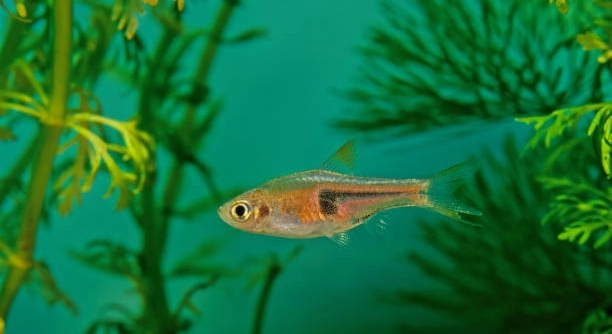
Rasboras are small, colorful fish often kept in home aquariums. Many owners notice these fish prefer shaded or dim areas rather than bright, open spaces. Understanding their behavior helps create a better environment for them.
Rasboras prefer darker environments because it closely mimics their natural habitats, where shade offers protection from predators and reduces stress. Low light conditions support their comfort, promoting healthier behavior and overall well-being.
Knowing why rasboras favor shaded spots can improve how you care for them. This insight is useful for creating a peaceful, thriving aquarium environment.
Natural Habitat and Light Preferences
Rasboras come from slow-moving streams and shaded pools in Southeast Asia. Their natural environment is often covered by dense plants and tree canopies, which filter sunlight and create dimmer conditions. This environment offers protection from predators, making the fish feel safer. Bright, open water exposes them, causing stress and making them hide more often. The shade also helps keep water temperature stable, which is important for their health. When setting up an aquarium, replicating these lighting conditions is beneficial. Using floating plants or placing the tank away from direct sunlight can create the softer light rasboras prefer. It is not just about comfort—this lighting encourages natural behavior, such as schooling and active swimming. A well-lit tank may look nice but can cause rasboras to become shy or stressed. Understanding their preference for dimmer light helps promote a healthier, happier environment for these delicate fish.
Low light helps rasboras stay calm and display their best colors naturally. It also reduces aggressive behavior often seen in bright tanks.
Keeping the light low while providing enough plant cover will help rasboras feel secure. It balances their need for safety and visibility, allowing them to interact and thrive without feeling threatened. This small adjustment can make a significant difference in how active and healthy they remain over time.
Impact of Light on Rasbora Behavior
Too much light can cause rasboras to become stressed and hide for longer periods. Stress weakens their immune system and can lead to illness or shortened lifespan. Dim lighting encourages natural schooling and reduces erratic swimming patterns, which are signs of discomfort. A tank with gentle lighting helps rasboras explore and feed confidently. Many aquarists notice that rasboras show brighter colors under softer light, which enhances the aquarium’s visual appeal naturally. Light also affects algae growth; balanced lighting helps keep algae in check without harming the fish. Choosing the right lighting setup involves understanding both the fish’s needs and the plants in the tank. Too dark can also be harmful, so a moderate approach is best. Adjusting light intensity and duration creates a stable environment that supports both fish health and tank aesthetics. This attention to lighting is an easy way to improve rasbora care without costly equipment changes.
Lighting Setup Tips for Rasbora Tanks
Soft, indirect lighting works best for rasboras. Avoid harsh, bright lights that can stress them out quickly. Using adjustable LED lights or placing the tank away from direct sunlight helps maintain a comfortable environment.
Creating shaded areas with floating plants or decorations lets rasboras find spots to rest. It also diffuses light evenly throughout the tank, preventing sudden bright patches. You can use timers to simulate natural day and night cycles, which supports their internal rhythms. Keep the lighting on for about eight to ten hours a day to mimic natural conditions without causing algae overgrowth. Regularly observe the fish to see how they respond, adjusting light intensity if needed. This simple care step encourages active behavior and better color display, making your aquarium a calm, inviting space.
Balancing light intensity with adequate cover creates a safe environment. Rasboras stay visible but not exposed, which helps them remain relaxed and active.
Choosing the Right Plants for Shade
Plants like Java fern, Anubias, and floating species are excellent for creating natural shade. These plants grow well in low to moderate light and provide hiding spots that rasboras appreciate. Dense plant clusters break up light and give fish the feeling of security without darkening the whole tank.
Besides offering shade, plants improve water quality by absorbing excess nutrients and producing oxygen. This contributes to a healthier tank environment overall. When selecting plants, consider their growth rate and care needs so they won’t outgrow the space or require constant trimming. Placing taller plants at the back or sides of the tank and floating plants on top creates layered lighting effects, mimicking rasboras’ natural habitat. This setup not only enhances comfort but also encourages natural behaviors like foraging and schooling near cover. Healthy plants combined with controlled lighting make the aquarium a balanced ecosystem that supports your rasboras’ wellbeing.
How Rasboras React to Bright Environments
Bright light often makes rasboras nervous and shy. They may hide more and swim less, which can impact their health.
Constant exposure to strong light can increase stress, making them more vulnerable to disease. It’s important to monitor their behavior and adjust lighting accordingly.
Adjusting Aquarium Lighting Gradually
Sudden changes in lighting can confuse and stress rasboras. It’s best to adjust light intensity slowly over several days to help them adapt comfortably. This gradual change allows their natural rhythms to adjust without shock, supporting steady health and activity.
Monitoring Fish Behavior
Watch how rasboras move and interact in the tank. Changes in swimming or hiding can signal lighting issues or stress.
FAQ
Why do rasboras prefer darker places in the tank?
Rasboras come from shaded, slow-moving waters in nature where light is filtered through plants and trees. Darker places help them feel safe by providing cover from predators. In an aquarium, these darker areas reduce stress and encourage natural behavior like schooling and exploring. Bright, open spaces make them feel exposed and nervous, so they tend to hide or stay in shaded spots.
Can rasboras live in bright tanks?
While rasboras can survive in tanks with bright lighting, they often show signs of stress such as hiding, reduced activity, or faded colors. Bright light is not harmful by itself but creates an uncomfortable environment if there are no shaded areas. Providing plants or decorations to soften the light is important to keep rasboras relaxed and healthy.
What is the ideal lighting schedule for rasboras?
A lighting schedule of about 8 to 10 hours per day works well for rasboras. This mimics their natural day length and helps maintain a healthy tank environment. Using a timer can keep the schedule consistent, which supports the fish’s internal clock and reduces stress. Too much light can lead to algae growth and stress, while too little light may affect plant growth and fish activity.
Which plants provide the best shade for rasboras?
Plants like Java fern, Anubias, and floating species such as duckweed and Amazon frogbit are great for providing shade. They thrive in low to moderate light and help break up the lighting in the tank. These plants create hiding spots and diffuse light naturally, giving rasboras safe spaces to rest without darkening the entire aquarium.
How can I tell if my rasboras are stressed by lighting?
Signs of stress include hiding for long periods, erratic swimming, loss of color, or reduced appetite. If rasboras are constantly avoiding well-lit areas, the light may be too strong. Observing their behavior daily can help you spot these signs early. Adjusting the light intensity or adding more plants can relieve stress and encourage normal activity.
Is it necessary to have plants for rasboras to thrive?
While not strictly necessary, live plants greatly improve the environment for rasboras. They provide shade, improve water quality by absorbing nutrients, and create natural hiding spots. Plants also make the tank look more natural and help reduce stress, making fish more active and colorful.
How quickly should I change the lighting if it’s too bright or too dim?
Lighting changes should be made gradually over several days, not suddenly. Sudden changes can confuse or stress rasboras. Slowly dimming or increasing light allows fish to adjust their behavior and reduces the chance of stress-related health problems.
Does tank size affect how much light rasboras need?
Tank size influences lighting needs mainly because larger tanks require more light to reach all areas, while smaller tanks may become too bright if the light is too strong. In both cases, creating shaded zones with plants or decorations is key to giving rasboras comfortable spots.
Can artificial lights damage rasboras?
Artificial lights, such as LEDs or fluorescents, don’t damage rasboras if used correctly. The main concern is the light’s intensity and duration, not the type of light. Ensuring the light is not too bright and mimics natural day-night cycles helps maintain rasbora health.
What is the best way to balance lighting for both plants and rasboras?
Use adjustable lights to control intensity and place plants strategically to provide natural shade. Combining floating plants with those rooted at the bottom creates layers that soften the light. Adjust the duration to meet both plant growth and fish comfort needs. Observing both plant health and fish behavior helps find the right balance.
Are there any signs that rasboras prefer certain parts of the tank for lighting reasons?
Yes, rasboras often choose to swim in shaded corners or under floating plants where light is softer. If they spend most time in darker areas, it’s a good sign they prefer less intense light. This behavior should guide adjustments to lighting or tank decoration to suit their comfort.
How does lighting affect rasbora breeding behavior?
Moderate, consistent lighting supports natural breeding behavior. Too much light can stress fish and inhibit spawning, while too little may reduce their activity and interest in breeding. Providing shaded areas encourages a calm environment that promotes mating and caring for eggs.
Rasboras are delicate fish that thrive best in environments that mimic their natural habitats. Their preference for darker, shaded areas is not just about comfort but about feeling safe and secure. In the wild, these fish live in slow-moving waters covered by plants and trees that block strong sunlight. Replicating these conditions in an aquarium helps reduce stress, which is essential for their health and longevity. Providing areas of soft light with plenty of plants or decorations allows rasboras to swim freely while having places to hide when they feel vulnerable.
Lighting plays a crucial role in how rasboras behave and interact with their surroundings. Bright, harsh lighting can cause them to hide or become less active, which affects their overall well-being. On the other hand, dimmer, more natural lighting encourages normal behavior such as schooling, exploring, and feeding. Finding the right balance between light and shade is important for keeping these fish happy. Using adjustable lighting and adding floating or tall plants to create shaded zones makes a big difference. It is also helpful to maintain a consistent lighting schedule, simulating natural day and night cycles to support the fish’s internal rhythms.
Taking care of rasboras means paying attention to details like lighting and tank setup. It’s not just about having a visually appealing aquarium but about creating a space where the fish can live healthily and display their best colors. When their needs are met, rasboras are more active, less stressed, and show natural behaviors that make watching them rewarding. Making simple changes such as adjusting light intensity and adding appropriate plants can improve their quality of life significantly. Overall, understanding why rasboras prefer the darker side helps in providing better care and ensuring they thrive in home aquariums.

Hello,
If you enjoy the content that we create, please consider saying a "Thank You!" by leaving a tip.
Every little bit helps us continue crafting quality advice that supports the health, happiness, and well-being of pets around the world, for pets of all shapes, sizes, and species.
We really appreciate the kindness and support that you show us!