
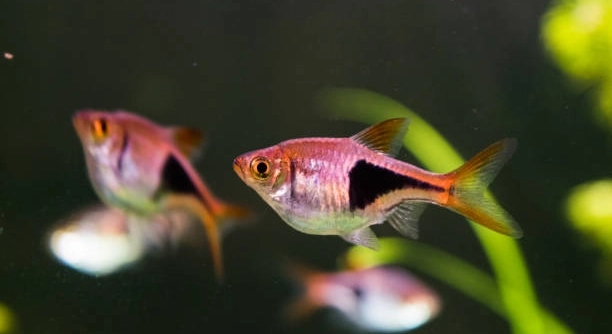
Do your rasboras seem distant lately, scattering around the tank instead of swimming in their usual tight-knit groups like before?
Rasboras often stop schooling due to environmental stress, poor water quality, or tank mate aggression. Restoring optimal tank conditions and reducing disturbances can significantly improve their comfort levels and encourage natural schooling behavior again.
Changes in behavior often point to deeper issues. These seven clues will help you understand why your rasboras stopped schooling and how to fix it.
They Scatter Instead of Staying Together
When rasboras no longer swim as a tight group, it’s usually because something in the tank has changed. Schooling is a natural behavior, and when they stop, it often signals discomfort or stress. New decorations, rearranged plants, or a sudden change in lighting can make them feel unsafe. If you’ve recently added other fish or shifted the tank layout, your rasboras might need time to adjust. Even subtle disturbances can push them to separate. Consistency is key—stable surroundings help them feel secure. A stressed fish will prioritize hiding or escaping rather than socializing, so restoring their environment helps bring them back together.
Check your water temperature and lighting schedule first. Any irregularity can disrupt their sense of safety.
If your rasboras used to swim in sync but now scatter around the tank, consider what changed recently. Reversing those changes often helps them feel safe enough to school again.
Their Color Looks Faded
A rasbora’s color dulling is often linked to stress or poor water quality. When stressed, their body redirects energy to survival, not appearance. Faded color is a reliable signal they’re not feeling well.
Start by testing your water parameters. Even slight ammonia or nitrite levels can affect their health. Next, check your nitrate levels and make sure they aren’t climbing too high between water changes. Clean filters regularly, but avoid removing all beneficial bacteria. Overcleaning can cause mini-cycles that shock your fish. Make sure your tank isn’t overcrowded—too many fish can trigger defensive behavior. Rasboras thrive best in groups of at least six of their own kind. Less than that can lead to anxiety and isolation. Stick to a consistent lighting and feeding schedule to prevent unnecessary stress. If their color still seems faded after conditions are fixed, allow them a few days. It can take time for their vibrance to return.
They Linger Near the Surface
When rasboras spend too much time at the top, it’s often a sign of low oxygen levels or poor water quality. This shift in behavior isn’t normal for a schooling species and usually means they’re uncomfortable or struggling to breathe properly.
Start by checking your water’s oxygen levels. Warmer water holds less oxygen, so raising your temperature too much can cause problems. Add an air stone or increase surface agitation to boost oxygen. If you recently reduced water flow or turned off a bubbler, this might be the issue. Ammonia and nitrite spikes also affect gill function, making it harder for them to breathe. Look for signs like rapid gill movement or listlessness. Water changes help, but test first—guessing won’t fix it. Stick to regular maintenance, and avoid overfeeding, which adds waste and lowers oxygen. Once water conditions improve, rasboras typically return to normal swimming behavior quickly.
Rasboras schooling near the surface may also signal overcrowding or stress from incompatible tank mates. If another fish is chasing or intimidating them, they’ll instinctively move upward for space. Observe their interactions closely. Adding more cover, like plants or rocks, can help them feel safe. In calm, stable conditions, rasboras will naturally begin grouping together again.
They No Longer React to Movement
Lack of response to movement near the tank can mean your rasboras feel unsafe, anxious, or even sick. Healthy rasboras are alert and sensitive to their surroundings, often darting or shifting together when something catches their attention.
If they’ve stopped reacting to movement, start by checking for external stressors. Has the room become noisier, brighter, or more active? Sudden changes outside the tank can unsettle fish. Internal tank issues like illness or bullying can also shut down their natural alertness. Rasboras that are lethargic, isolated, or hovering in place could be sick. Watch for clamped fins, loss of appetite, or pale patches. Test water conditions again and observe their behavior during feeding. If only one or two fish are unresponsive, isolate and monitor them. If the whole group is withdrawn, address the environment first. Restoring peace and improving water conditions often helps bring back their natural movement and social response.
They Hide More Than Usual
Rasboras that spend most of their time hiding are usually stressed. This behavior can be triggered by loud noises, sudden lighting changes, aggressive tank mates, or a lack of places to feel secure in the tank.
Adding more plants or decorations can make them feel safer. Make sure they’re not being harassed by other fish. Small changes in lighting or movement outside the tank can also lead to hiding. Keep their environment consistent to reduce fear.
Their Eating Habits Changed
If your rasboras are no longer schooling and also skipping meals, it’s a sign something deeper is wrong. Schooling behavior and feeding are linked—healthy rasboras swim and eat together. A drop in appetite can come from poor water quality, sudden temperature shifts, or internal parasites. Start with basic checks like water parameters and recent food changes. Feeding food that’s too big or spoils quickly can also cause disinterest. Stress from tank mates or illness affects appetite as well. Watch how they interact during feeding—if one or more avoid the group, it may be time to separate and monitor them closely.
Their Movements Seem Sluggish
Slower swimming and clumsy turns are not normal for rasboras. This sluggish behavior usually points to discomfort, especially from water quality or underlying illness. Address any imbalances quickly to prevent further health problems.
FAQ
Why did my rasboras stop schooling all of a sudden?
Sudden changes in schooling behavior are often linked to stress, illness, or environmental shifts. If water conditions changed recently—such as a temperature drop or chemical imbalance—they may feel unsafe. New tank mates, loud noises, or even tank rearrangement can disrupt their routine. Schooling is a safety behavior, so when rasboras stop swimming together, they likely feel vulnerable or threatened. Start by checking your water parameters, reviewing tank changes, and observing other fish for signs of bullying or territorial behavior.
How many rasboras should be kept together to encourage schooling?
Rasboras are happiest and most active in groups of at least six. Smaller groups can make them feel exposed, which leads to hiding or scattered swimming. In larger groups, they feel more secure and are more likely to display natural behaviors like synchronized schooling. For best results, keep them in schools of eight or more, especially in spacious tanks. A larger school reduces individual stress and encourages calm, predictable swimming patterns.
Can rasboras live with aggressive fish?
It’s not ideal. Rasboras are peaceful and easily intimidated by more aggressive species. Tank mates that chase, nip fins, or dominate feeding time can cause long-term stress. This kind of environment discourages schooling and often leads to hiding or erratic swimming. Choose companions like tetras, peaceful gouramis, corydoras, or shrimp. Always watch how new fish interact with your rasboras in the first few days and be ready to separate them if needed.
Do rasboras need a specific tank setup to feel comfortable schooling?
Yes. A calm, well-planted tank helps rasboras feel safe. Floating plants, soft lighting, and open space in the middle are ideal. Use gentle water flow—they dislike strong currents. A dark substrate and plenty of cover also reduce stress. Avoid sharp decorations or reflective backgrounds that might confuse or scare them. Keep the temperature between 74–78°F and test your water regularly to maintain stability. Comfort leads to confidence, and confident rasboras are more likely to school naturally.
How long does it take for rasboras to start schooling again?
It depends on the cause. If it’s just a temporary stressor, like moving the tank or turning off the filter for cleaning, they might start schooling again within hours once the environment feels stable. But if they’re sick or recovering from aggressive tank mates, it may take several days or more. Give them time, maintain clean water, reduce noise, and avoid overhandling the tank. Once they feel safe, you’ll often see schooling behavior return gradually.
Can illness cause rasboras to stop schooling?
Yes, definitely. Sick rasboras tend to isolate themselves and move less to conserve energy. Parasites, internal infections, or poor gill function can make them too weak to swim in sync with the group. Check for signs like clamped fins, color loss, bloating, or labored breathing. Treat any illness promptly with the right medication, and quarantine if needed. When health improves, schooling behavior often returns with it.
Is schooling more active at certain times of day?
Rasboras tend to school more actively in the morning or shortly after feeding when they’re alert and energized. As the day goes on, they might scatter or rest more. Lighting cycles also influence this—bright sudden light can startle them, while gradual transitions mimic their natural rhythm. A consistent day-night cycle helps them stay balanced and relaxed. When the environment feels predictable, schooling becomes part of their regular behavior pattern.
Final Thoughts
Rasboras are peaceful, social fish that rely on a sense of safety and balance in their environment to display natural schooling behavior. When they scatter, hide, or stop responding to movement, it’s usually a sign that something in their tank or routine isn’t right. Small changes—like shifts in water temperature, tank mates, lighting, or even decorations—can lead to stress. Because they’re sensitive, rasboras react quickly to these changes, and their behavior reflects that. Watching how they swim, eat, and interact with each other can tell you a lot about their comfort level. If they suddenly stop schooling, it doesn’t always mean something serious is wrong, but it’s worth looking closer at the basics.
Restoring their environment to what feels stable and familiar is often enough to bring back schooling behavior. Focus on gentle water flow, clean and balanced water, consistent feeding times, and plenty of hiding spots. Make sure they have enough of their own kind—rasboras do best in groups of six or more. Avoid pairing them with fish that are too large or too aggressive, as this can cause constant fear and make them isolate. If illness is present, treating it early and gently can help the fish recover without adding more stress. Patience is important—some rasboras bounce back within hours, others need a few days before they feel safe again.
Watching your rasboras school again can be a sign that everything in your tank is working well. It’s a rewarding moment, especially when you’ve taken time to adjust things carefully. Maintaining a quiet, consistent routine and avoiding big changes keeps them feeling safe. Observing their movements, energy, and feeding response regularly helps you spot early signs of trouble and adjust before anything serious happens. Whether you’re new to keeping rasboras or you’ve had them for a while, understanding what affects their behavior makes it easier to create a peaceful, healthy tank. When they feel at ease, rasboras return to schooling naturally—and seeing that smooth, synchronized swim is a clear sign you’re on the right path.

Hello,
If you enjoy the content that we create, please consider saying a "Thank You!" by leaving a tip.
Every little bit helps us continue crafting quality advice that supports the health, happiness, and well-being of pets around the world, for pets of all shapes, sizes, and species.
We really appreciate the kindness and support that you show us!